
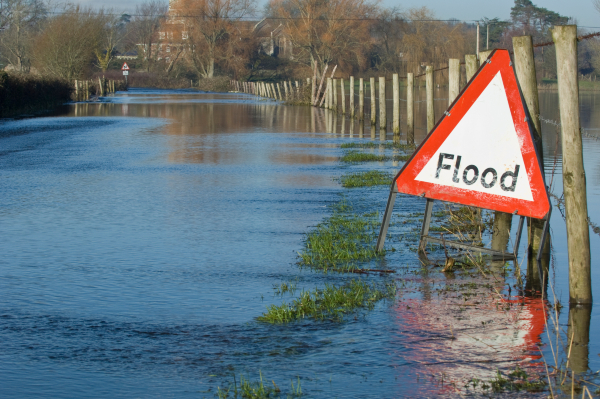
With 4,155 Greater London charities providing buildings, facilities or open space [1], organisations across the county are being urged to consider what could happen if seasonal weather damage leaves their premises unusable.
The warning comes following the first named storms of the season, and the Met Office predicting a greater chance of wetter and stormier conditions during autumn and early winter as a result of this year’s El Niño event.
From surface-water flooding and storm damage to frozen pipes, heating failures and problems at empty premises, relatively straightforward incidents can quickly disrupt a charity’s ability to operate and deliver services.
The potential scale of one of these risks is highlighted by the latest Environment Agency data, which identifies 28,970 non-residential properties in Greater London as being at high risk of surface-water flooding [2].
Ansvar Insurance, a specialist insurer for the charity and not-for-profit sectors, is encouraging charities to use the changing seasons as an opportunity to review their risk management and business continuity plans.
David Eccles, Head of Distribution at Ansvar, commented:
“Charities understandably put their focus on the people and communities they support, so the risks to their own buildings can end up an afterthought. With more than 4,000 charities across Greater London providing buildings, facilities or open space to deliver their services, the knock-on effect of losing access, even temporarily, can be significant for the people they serve.
“We often see claims where a relatively minor issue, whether it’s a blocked gutter or a pipe that wasn’t checked in an empty building, turns into weeks of disruption because there wasn’t a plan for what to do next.
“With the potential for a wetter, stormier autumn and winter this year, now is a sensible time for trustees to ask a simple question: if we can’t use our building tomorrow, what would we do?”
Ansvar’s seasonal checklist sets out some practical steps charities can take to protect their premises and minimise disruption:
Check the building: Inspect roofs, gutters, drains, windows and external areas for problems that could become worse during heavy rain or strong winds.
Prepare for freezing temperatures: Check pipes, heating systems and insulation, particularly in buildings that are empty or only used occasionally.
Don’t leave empty buildings unchecked: Arrange regular inspections of vacant or infrequently used premises and make sure someone knows how to respond if a problem is discovered.
Review emergency arrangements: Check keyholder and emergency contact details are up to date and ensure trustees, staff and volunteers know who is responsible for taking action.
Plan for disruption: Consider where services could be delivered if a building becomes inaccessible, and how staff, volunteers, equipment and important information could be managed elsewhere.
David Eccles added:
“Good risk management isn’t about predicting exactly what the weather will do. It’s about knowing where you’re exposed and having a plan ready before you need it.
“The charities that cope best with these incidents are rarely the ones with the newest buildings; they’re the ones who’ve already worked out who makes the decisions, who the keyholders are, and where services could run from if the building’s out of action.
“A short checklist done now can be the difference between a bad afternoon and a bad month.”