
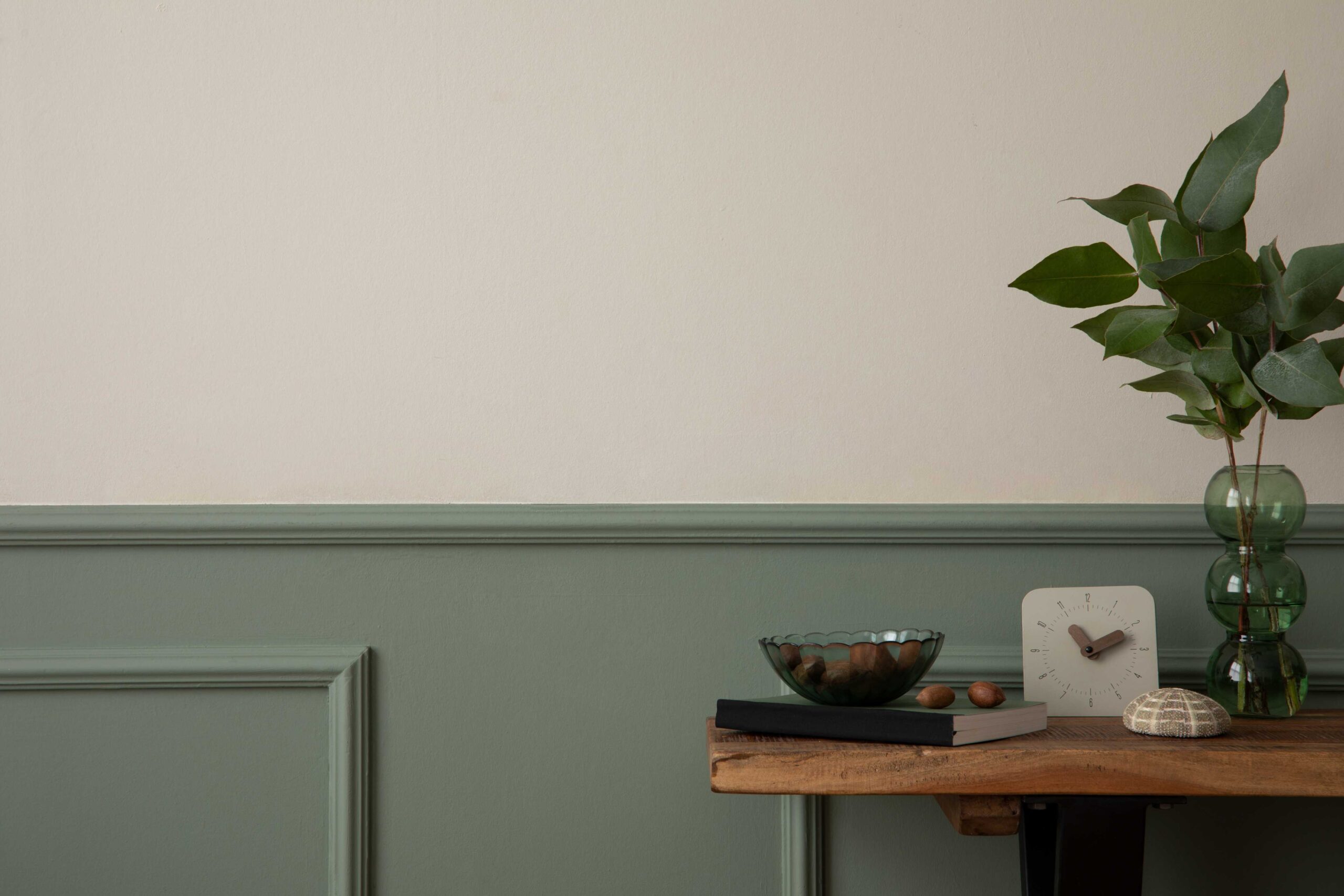
Dado rails have been used in homes for generations, yet they still have a place in modern interiors. While some design features come and go, dado rails continue to appeal to homeowners who want to add detail, character and structure to their walls. They may seem like a small feature, but they can make a real difference to how a room looks and feels.
Originally, dado rails were used to protect walls from marks and knocks caused by furniture. Today, they are chosen just as much for style as they are for function. They help break up large wall spaces, add decorative interest and work well with both traditional and more updated interiors. For homeowners looking to create a polished finish, dado rails remain a practical and attractive option.
Dado Rails Add Shape and Character to Plain Walls
One of the biggest reasons homeowners still choose dado rails is because they make walls look more interesting. Large, flat walls can sometimes feel plain, especially in hallways, dining rooms and living spaces. A dado rail adds a clear visual line across the wall, which helps create shape and structure.
This can completely change the feel of a room. Instead of one blank painted surface, the wall becomes more of a design feature. It gives the eye something to follow and creates a more finished look. In older homes, dado rails often highlight the original character of the property. In newer homes, they can add detail that makes the space feel less basic.
This is one of the reasons dado rails work so well in interior design. They offer a simple way to add personality without changing the whole room.
They Work Well With Wall Panelling and Other Mouldings
Dado rails are also popular because they pair well with other decorative features. Homeowners often use them alongside wall panelling, skirting boards, architraves and ceiling mouldings to create a more joined-up look. When these features are chosen carefully, they help the room feel balanced and well designed.
For example, a dado rail can sit above lower wall panelling to frame the design and give it a more traditional feel. It can also be used on its own to divide the wall into two painted sections, which is a style that still works very well in both classic and modern homes.
This flexibility is a big part of their appeal. Dado rails are not limited to one type of property or one interior trend. They can be used in period homes to match original details, but they can also suit updated interiors where people want just a touch of decorative trim rather than a fully traditional look.
If you are interested in broader ideas around interior design, it is easy to see why dado rails remain such a popular feature.
Dado Rails Help Create a More Finished Interior
A well-designed room often comes down to the details. Homeowners may invest in flooring, paint, furniture and lighting, but the finishing touches are what often bring the space together. Dado rails do exactly that.
They help rooms feel complete. They frame the wall in a subtle way and can connect the different parts of the room, including doors, windows and skirting. Without these details, some interiors can feel a little flat or unfinished. With them, the whole room often looks more considered.
This is especially useful in spaces such as hallways, staircases and dining rooms, where there may be a lot of wall area on show. A dado rail helps make that space feel more styled without needing lots of extra decoration.
They Can Make Colour Schemes More Interesting
Another reason dado rails are still chosen for interior style is that they work well with paint. Many homeowners use them to split the wall into two sections, painting the lower half one colour and the upper half another. This is a simple but effective way to add depth to a room.
A darker colour below the dado rail can ground the room and hide marks more easily, while a lighter shade above can keep the space feeling open. Some people choose subtle contrast, while others use stronger colour changes to make more of a statement.
This approach can work in many types of rooms. It is often used in entrance halls, dining rooms and bedrooms, but it can also suit home offices and living areas. The dado rail acts as a clear dividing line, which helps the two colours look intentional and tidy rather than random.
For homeowners who want to do more with paint but still keep the room elegant, dado rails offer a very useful design feature.
They Still Have a Practical Purpose
Although dado rails are now mainly chosen for style, they do still offer a practical benefit. In busy parts of the home, walls can easily get marked by chairs, bags and everyday movement. A dado rail helps define the wall area and, depending on the room layout, can give some light protection against minor scuffs and knocks.
This practical side is one of the reasons dado rails have lasted for so long. They were not introduced just for decoration. They had a job to do, and even now that interior trends have changed, that useful background still adds to their appeal.
Homeowners often like features that offer both form and function. Dado rails do exactly that. They look good, but they also have a reason for being there.
Dado Rails Suit Both Traditional and Modern Homes
Some people assume dado rails only belong in period properties, but that is not really the case. They are strongly linked with traditional interiors, and they do look especially at home in Victorian, Georgian and Edwardian houses. Still, they can also work in more modern homes when used in the right way.
The key is choosing the right profile and finish. A more decorative dado rail may suit a classic property, while a simpler design can fit neatly into a cleaner, more modern interior. MR Mouldings are especially popular for this because they offer a smooth finish, consistent shape and easy painting.
This makes dado rails a flexible option for homeowners who want a tailored look. They can be traditional without feeling old-fashioned. They can also be simple without looking plain.
If you want to explore how decorative trim fits into wider home interiors, dado rails are a great example of a detail that has stayed relevant over time.
They Add Value to the Look of a Room
Dado rails may not change the structure of a property, but they can improve how a room is perceived. Decorative mouldings often make a space look more refined, more thought through and better finished. That can be important for homeowners who want to take pride in their interiors or improve the overall presentation of their home.
A room with dado rails and matching mouldings often feels more complete than one with plain walls and no trim. It suggests care and attention to detail. Even if the rest of the décor is quite simple, the presence of mouldings can lift the whole space.
This is why dado rails continue to be chosen by homeowners who want more than a basic finish. They are a relatively simple way to add style without needing a full renovation.
Why Dado Rails Remain a Popular Choice
Dado rails are still chosen because they offer a mix of style, structure and subtle practicality. They break up plain walls, work beautifully with panelling, support more creative paint schemes and help rooms feel more finished. They also suit a wide range of interiors, from traditional homes full of period detail to more modern spaces that need a little extra character.
For homeowners looking to improve interior style, dado rails are a smart choice. They are simple, effective and timeless. Trends may change, but features that add balance and definition to a room tend to last. That is exactly why dado rails continue to have a place in homes today.
When chosen carefully and paired with the right mouldings, they can turn an ordinary wall into a real design feature. That is why homeowners still choose dado rails, and why they are likely to remain popular for years to come