Traveling to another country once involved a familiar routine.After arriving at the airport, you would often look for a mobile phone shop, compare local SIM cards, and choose a plan with enough data for the trip. It worked, but it was rarely the most convenient part of the journey.
That routine is changing as more travelers discover eSIMtechnology. An eSIM eliminates the need for a physical SIM card, allowing compatible devices to connect to a mobile network digitally. For anyone planning an international trip, taking the time to learn more about an eSIM can help explain why this technology has become increasingly popular.
What Is an eSIM?
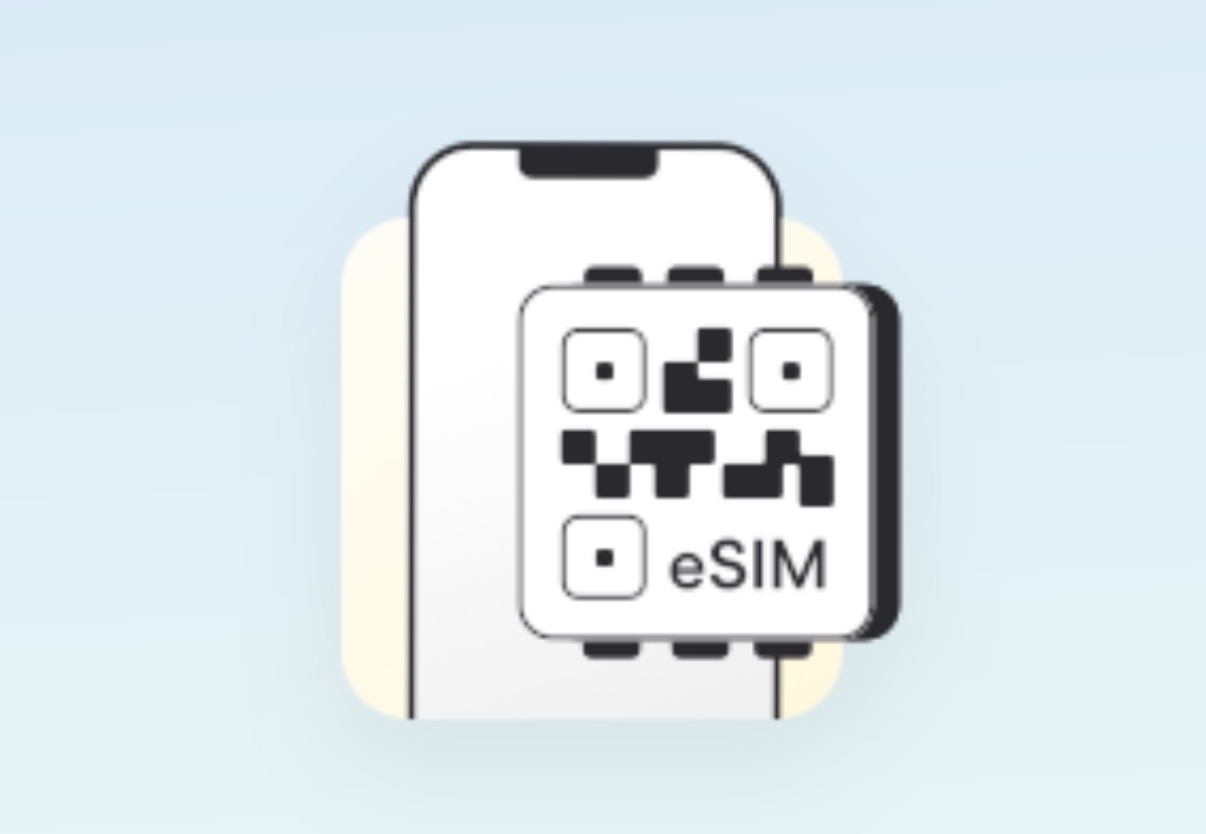
An eSIM is a digital alternative to a traditional physical SIM card. Instead of inserting a small plastic card into your phone, the required mobile profile can be installed electronically on a compatible device.
The concept is simple, but the convenience can make a noticeable difference for travelers. There is no physical card to remove, no tiny SIM tray to open, and no need to keep track of your original SIM while traveling.
Many newer smartphones support eSIM technology. However, compatibility can vary depending on the exact device model, region, and mobile carrier, so checking your phone before purchasing a plan is always worthwhile.
Why Travelers Are Interested in eSIMs
The benefits become clearer when you consider the practical needs of an international trip.
Suppose you land after a long flight and need to contact your hotel, open a map, order transportation, or check a booking confirmation. With a traditional local SIM, you may first need to find a store, choose a plan, and get connected.
With an eSIM, travelers can often arrange their mobile connection before leaving home. Once they arrive, they can follow the activation instructions and start using the plan when required.
This can be especially useful for short trips. Spending part of a short vacation looking for a SIM shop is probably not how most travelers want to spend their first afternoon.
Keep Your Existing SIM
Another advantage is that many compatible devices allow travelers to keep their regular SIM in place.
Travelers who use phones with dual-SIM functionality may be able to use their normal line while relying on an eSIM for mobile data. This can be useful for people who still need access to their usual number while abroad.
For example, your primary SIM could remain available for important calls or messages while the travel eSIM handles everyday data usage. The exact setup depends on the phone and carrier, so checking the device settings before traveling is recommended.
Useful for More Than Just Maps
When people think about using mobile data while traveling, navigation is often the first thing that comes to mind. In reality, a reliable connection can help with many parts of a trip.
You might need to translate a restaurant menu, check train times, find the opening hours of a museum, confirm a hotel reservation, or send a message to your travel companion. These everyday tasks are easier when you don’t have to search for Wi-Fi first.
For travelers working remotely, having a reliable connection can be even more important. A dependable data connection can make it easier to respond to emails, join meetings, and manage work while away from home.
Choosing an eSIM for Your Trip
eSIM plans can differ considerably, so it is worth comparing the details before making a decision.
Start by checking whether the plan provides coverage at your destination. Then look at the plan’s validity period and data allowance. A traveler spending three days abroad will have different requirements from someone planning a month-long trip.
It’s also important to check whether your phone is unlocked and compatible with eSIM technology. Installation instructions should be reviewed before departure so you know what to expect when setting up the service.
Holafly is one provider travelers can consider when comparing travel eSIM options. Reviewing the available plans in advance can help you choose an option that fits the length and nature of your trip.
A Simpler Approach to Staying Connected
The biggest benefit of an eSIM isn’t necessarily a single feature.It’s the convenience of removing several small obstacles from the travel process.
There is no physical SIM to lose, no need to swap cards when changing plans, and potentially no need to visit a store immediately after landing. For frequent travelers, those advantages can add up quickly.
As digital connectivity becomes a normal part of modern travel, eSIM technology is likely to become even more familiar. Travel connectivity providers such as Holafly are making it easier for travelers to compare their options before leaving home..
For anyone planning an international trip, understanding how eSIM technology works is a useful first step. A little preparation before departure can mean fewer connectivity worries once the journey begins, leaving more time to enjoy the places you’re there to experience.