
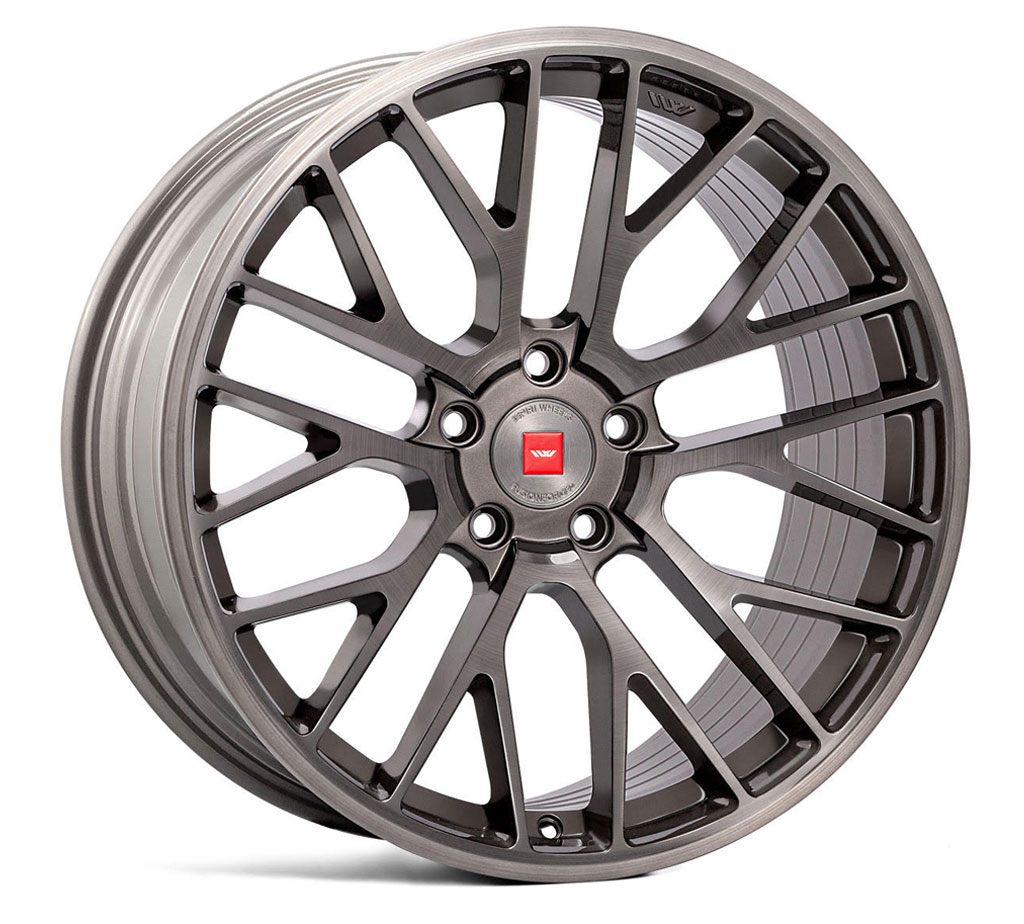
Upgrading your wheels is one of the quickest ways to transform your car’s appearance and driving experience. Whether you want a sportierlook or need to replace your worn or kerbed original wheels, choosing the right alloy wheels takes a little planning. Choose wisely and you can give your car a fresh look while maintaining good handling and getting value for money.
Start with the Right Fitment
Before choosing a design, make sure the wheels are compatible with your car. The key measurements are diameter, width, PCD (pitch circle diameter), offset and centre bore. Your vehicle handbook or a reputable supplier can confirm the correct specification. A wheel with the wrong specifications can rub against the wheel arches, affect steering or cause vibrations, so getting the measurements right is more important than appearance at this stage.
Know Where to Buy
Once you know the correct wheel specifications for your car, you can narrow your search with confidence. Shop now at Tyre Safety Centre toexplore quality alloy wheels that enhance your vehicle’s appearance and road presence while offering lasting durability. Buying from a trusted specialist gives you access to expert fitting advice and greater confidence that you are choosing suitable wheels for your vehicle.
Choose a Style and Finish
Your choice of wheel design is a great way to express your personal style. Multi-spoke wheels can create a classic look, whereas split-spoke and twin-spoke designs often give a car a sportier appearance. Popular finishes include polished silver, gloss black, matt black, anthracite and diamond-cut designs. Darker finishes often suit modern hatchbacks and SUVs, whereas silver and machined finishes can complement older or more traditional cars. Consider your car’s paint colour too, as it can make a noticeable difference to the overall contrast.
Set a Realistic Budget
Prices vary depending on wheel diameter, construction and brand. Larger wheels often cost more, and you may also need to budget forcompatible tyres.
Cast wheels are generally more affordable, while forged wheels can be lighter and more expensive. Depending on their weight and design, lighter wheels may also offer performance benefits. Remember to budget for new tyres, fitting, wheel balancing and any necessary locking wheel nuts or compatible sensors. Paying a little more for quality alloy wheels may also be worthwhile. Poor-quality wheels may be more susceptible to bending, corrosion and finish deterioration.
Think About Performance and Practicality
Bigger isn’t always better. Large wheels with low-profile tyres might look good, but they can create a firmer ride and leave the wheels more vulnerable to pothole damage, particularly on UK roads. Lighter wheelscan reduce unsprung weight, potentially improving acceleration, braking, and handling. If you prioritise comfort and fuel efficiency, choosing a wheel size approved by your vehicle manufacturer is generally a sensible approach.
Look After Your Investment
Regular cleaning with a pH-neutral wheel cleaner removes brake dust, which can damage the finish over time. Check tyre pressures monthly and inspect the wheels for cracks or dents after any significant impact.A protective sealant also makes dirt easier to wash away.
Making the Right Choice
The right alloy wheel balances compatibility, style, quality and price. Check your measurements carefully, choose a reputable supplier with relevant experience and take your time before making a decision. Choosing the right alloy wheels can enhance your car’s appearance and driving experience while helping it stand out for all the right reasons.