
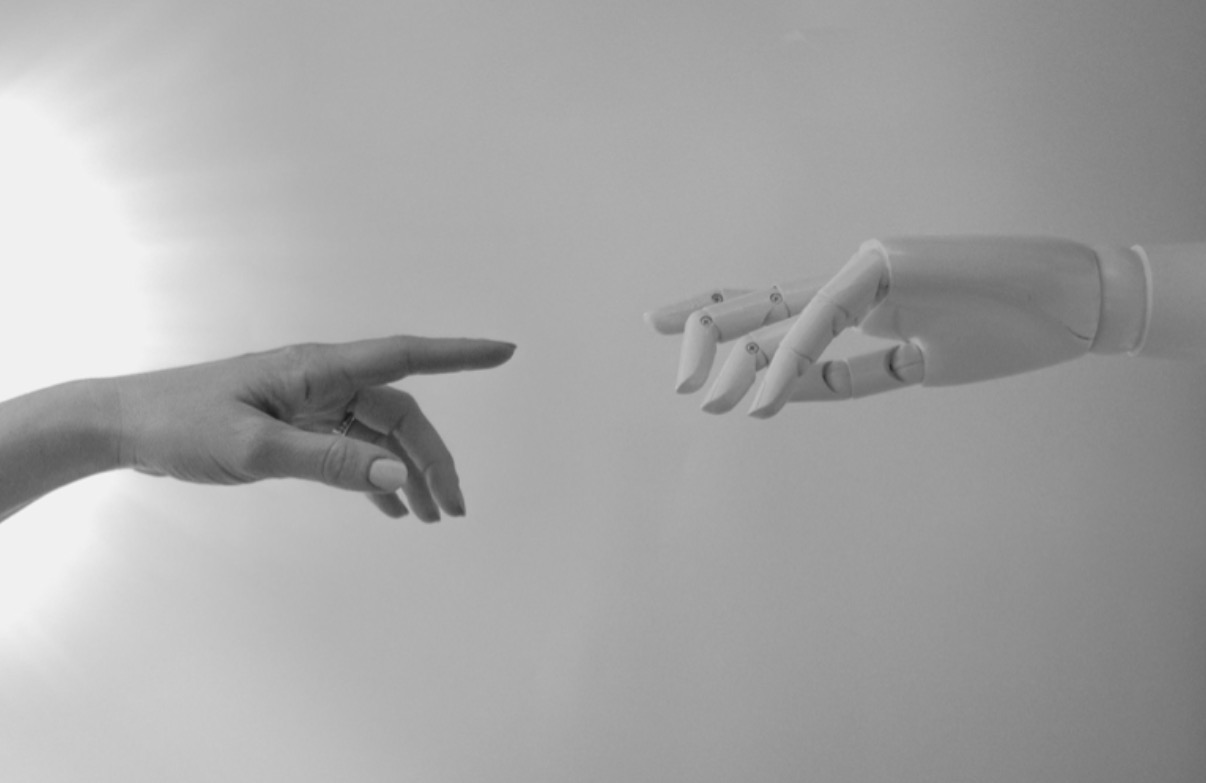
Personal robotics has moved from industrial factories into private homes. Smart machines can hold conversations and respond to physical touch. People now expect personal robots to understand and react to their surroundings in real time.
Recent advances in artificial intelligence have made robots better at recognizing faces and remembering user preferences. Digital assistants are no longer limited to computer screens. Keep reading to learn all about it.
From Simple Machines to Interactive Hardware
Older home tools relied on fixed code to perform basic chores or other activities. Early devices lacked spatial awareness and bumped into household walls repeatedly. Basic code prevented real interaction between users and home machines.
Software updates changed how devices talk with people. Modern adult buyers explore high-tech AI sex dolls and other products that offer dynamic conversation skills and realistic physical features. These new machines show how companion tech adapts to individual tastes.
Custom speech tools give companion models distinct traits that grow over months. Machines listen to voice tones to grasp mood changes during talks. Chats help devices craft tailored responses for each owner.
Faster Processing and Better Hardware
Better sensors and language models have helped interactive companion robots respond in less than 200 milliseconds. Faster processing lets robots respond more quickly during conversations.
Modern hardware can handle more complex commands than older robots. Generative language models built into physical hardware have greatly expanded what domestic robots can do. These machines can now turn spoken requests into physical actions.
Compact computers can fit inside synthetic body frames. Quiet cooling fans keep internal parts working during long periods of use. Improved power management can help batteries last through a full day.
Emotional Perception and Consumer Interest
Software improvements allow some robots to detect human emotions. Advanced neural networks can help personal robots respond to emotional cues with more than 80% accuracy. Changes in a person’s voice can help a device adjust its tone during a conversation.
Interest in interactive technology is also growing. Many consumers are open to using AI companions at home for daily assistance. Some people see these machines as useful additions to the household. Key features that attract buyers include:
- voice processing
- Realistic skin materials
- Custom personality settings
Some users report feeling less isolated when interacting with responsive devices. Daily conversations can help people maintain routines and schedules. Regular prompts may support structured daily habits.
Financial Investment and Market Growth
Investment in physical companion technology has grown quickly. Funding gives companies more resources for sensor research and stronger hardware.
Consumer demand is also driving growth. The demand for personalized conversational AI devices has increased this year. Buyers are looking for products that combine realistic physical features with smart software.
Larger-scale manufacturing can lower production costs. It may make advanced companion devices more affordable for many consumers. Improved supply chains can help companies produce and ship devices faster.
Exploring the Future of Personal Robotics
Personal robotics has changed how people interact with technology. Faster processing and improved emotional response systems are creating new ways to use intelligent machines. Personal robots may become a more common part of everyday home life.
Ready to learn similar topics? We’ve got you covered.