
A heart on X looks clear, but its meaning often is not. X describes Likes as a way to show appreciation. Other users cannot browse someone else’s Likes tab. Post authors can still see who liked their own posts. X also uses Likes in recommendations. So one tap can still be read in several ways.
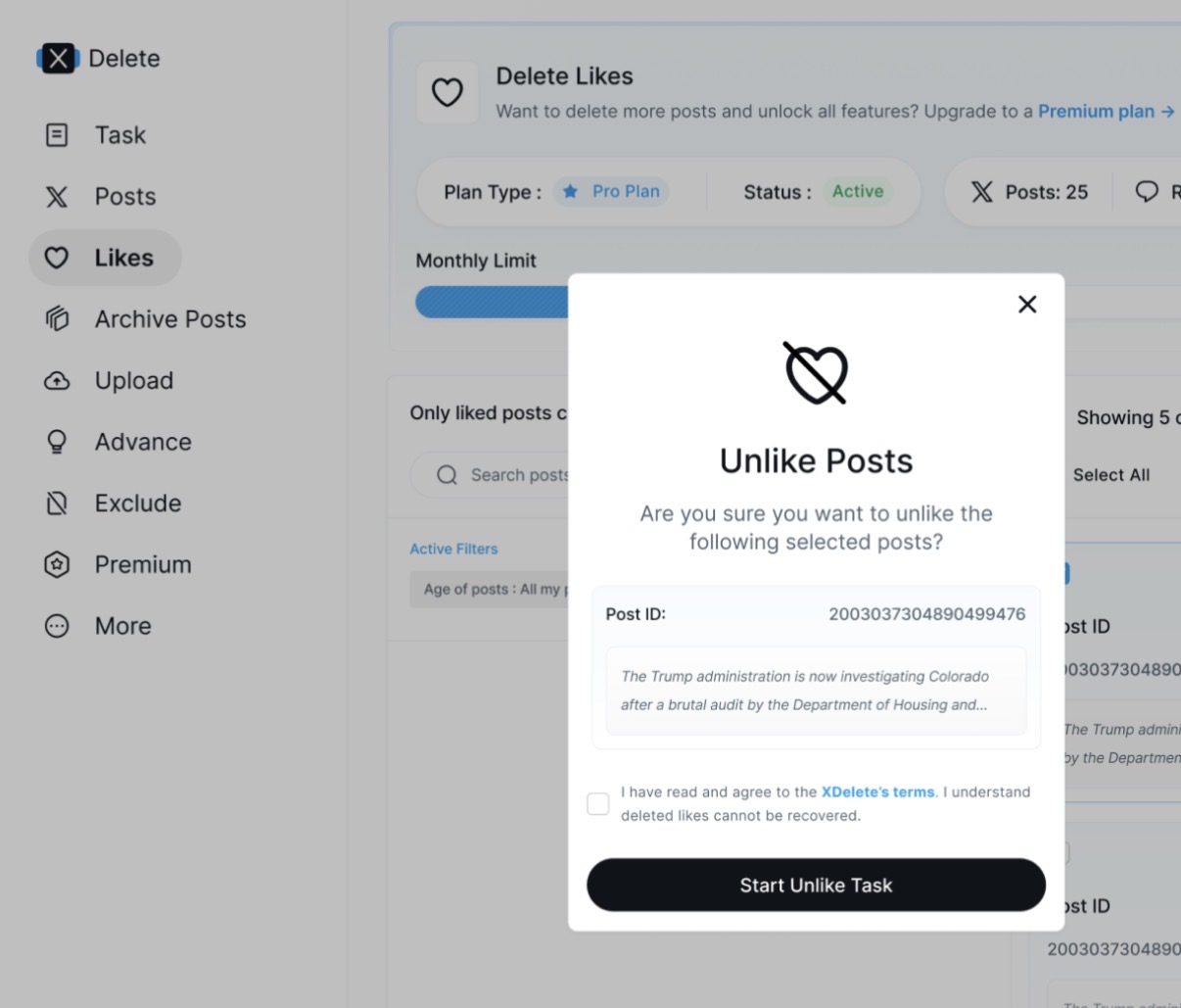
Old likes are easy to forget after years of scrolling. Someone may have reacted to thousands of posts without remembering why. Reviewing them through https://xdeleter.io/unlike-tweets can make that history easier to inspect. XDeleter says users can filter and remove Likes in bulk. Not every old reaction is a problem. The useful part is being able to review it.
X already has Bookmarks for posts a person wants to revisit. X says Bookmarks are private. That makes them clearer when the goal is saving information. A Like can still reach the author and affect recommendations. Why assume a heart always means agreement? Its meaning depends on context. The icon itself explains very little.
1. You Wanted to Save the Post, Not Endorse It
People often use Likes as a quick memory aid. A thread may contain a source worth checking later. A creator may want to revisit a claim. The intention can be research, not approval. Yet the author may read the reaction as support. Would that interpretation be correct?
Research Can Look Like Agreement
This problem existed before Likes became private. In 2017 some researchers discussed using a heart to return to a post for research. At the time, that action was public. Saving and endorsing could easily blur. XDeleter can help review older reactions when Likes became an informal filing system.
Bookmarks Are Better for Quiet Saving
X says Bookmarks are private and designed for posts users want to revisit. That gives them a clearer purpose than a Like. A researcher can save a source without sending the same signal. A creator can return later without creating extra ambiguity.
2. You Agreed With One Part, Not the Whole Message
A post can contain several claims. A reader may agree with one sentence and reject the conclusion. The heart does not show that distinction. The author sees one reaction. The reasoning behind it stays invisible.
Partial Agreement Can Look Total
A real example appeared before private Likes. During the 2023 London mayoral campaign, Susan Hall faced criticism over posts she had liked. Her spokesperson said engagement did not mean endorsement. The dispute showed how quickly a reaction can look like full support. One click leaves plenty of room for interpretation.
3. Courtesy Can Be Mistaken for Conviction
Social Habits Create Their Own Confusion
A creator may like a reply because someone took time to comment. A freelancer may react to a client announcement out of courtesy. A community manager may acknowledge a regular follower. None of those actions means agreement with every word. Courtesy and conviction are different things.
4. Old Likes Can Represent Old Opinions
Interests change over time. Jobs and industries change too. A post that seemed reasonable four years ago may feel outdated now. The reaction does not update when the person changes their mind. XDeleter can help review older Likes that no longer fit.
Your Feed Can Learn From Old Signals
X says its recommendation systems consider posts a person has liked. That means old reactions can shape what appears later in the feed. An outdated interest may keep producing more of the same content. Cleaning some Likes can therefore affect the user’s own experience. What if the account is still teaching X something that is no longer true?
5. Some Likes Are Accidents
Accidental taps happen on phones. A finger can hit the heart while scrolling. The action may stay unnoticed. XDeleter can help locate reactions that were never meant to remain.
One famous case came in 2017. Senator Ted Cruz’s account liked a pornographic post. Screenshots spread quickly. Cruz said someone with account access had hit the button inadvertently. Likes were public then. The explanation came after the impression had formed. The action looked deliberate before context arrived. Today’s privacy settings reduce that exposure. Accidental Likes can still happen.
A Mistake Can Look Intentional
The person seeing a Like cannot know how it happened. They may assume approval, interest, or support. On a shared professional account, even the owner may need to check who was using it. One mistaken tap can therefore create a small but confusing signal. The interface provides no explanation. XDeleter can help remove old Likes that clearly do not belong.
Screenshots Can Outlive the Original Context
Private Likes reduce public visibility compared with older versions of X. They do not erase screenshots taken years ago. They also do not remove old news coverage. A past reaction may still exist outside the account. That is another reason context matters more than the heart itself.
Reviewing Old Likes Can Be More Useful Than Guessing
XDeleter says users can search Likes by words, phrases, age, and post type. That makes a review more focused. Someone can check an old job or topic. Not every old Like needs to be treated as suspicious.
Review Before Removing Anything
The service also says Likes can be removed individually or in bulk. That makes a careful review useful before a large cleanup. Ask why the reaction happened. Was it research, courtesy, partial agreement, or an accident? XDeleter is most useful when the answer guides the decision. A reaction that still makes sense may stay. One that no longer represents anything useful may go. The point is not erasing history for no reason. It is making old engagement easier to understand.
A Better Question Is Why You Liked It
“What did I like?” is only the first question. “Why did I like it?” is often more useful. The reason may have nothing to do with endorsement. That distinction helps separate harmless history from reactions worth removing. It also makes future use of Likes more intentional. Bookmarks can handle quiet saving better.
One Click Cannot Explain Motive
A Like can signal appreciation, curiosity, politeness, partial agreement, or a mistake. The interface records the action, not the motive. Current privacy settings limit how widely that action can be inspected. They do not give it a precise meaning. Old Likes deserve context before anyone draws a conclusion.