Walk down almost any London parade and you will pass a nail bar, a barber, a café and a dry cleaner within a hundred metres. Each one runs on chemicals. Acrylic liquid, bleach, degreaser, hair dye and oven cleaner sit behind the counter or under the sink. Most owners think of them as stock, not as a legal duty.
The Control of Substances Hazardous to Health Regulations 2002, known as COSHH, say otherwise. COSHH Training, a UK provider of online COSHH courses, sets out what employers must do to comply with COSHH in plain terms, from risk assessment to staff training. This guide applies those duties to the small businesses that keep London’s high streets busy.
Does COSHH Apply to a Business With Two Staff?
Yes. COSHH applies to every employer, whatever its size. A salon owner with one junior stylist has the same core duties as a factory. The amount of paperwork changes, but the duties do not.
Self-employed workers also have duties for their own safety and for anyone their work affects. That matters in London, where many beauty therapists rent a chair or a room. The salon owner and the chair renter should agree who assesses which products.
So who checks? Enforcement is split between HSE and the local council. In Westminster, offices, food shops, restaurants, hotels and pubs fall to the council’s health and safety team. Other boroughs follow a similar split, so a council officer is the likeliest visitor to a high-street shop.
What Does a COSHH Duty Look Like In Practice?
The regulations come down to a short sequence. For a small business, the core steps are:
- List every product that carries a hazard pictogram or a safety data sheet.
- Assess who could be harmed, how and how often.
- Swap the most harmful products where a safer option does the job.
- Control what remains with ventilation, gloves, storage and safe methods.
- Train staff so they know the risks and the controls.
- Review the assessment when products, staff or premises change.
The rest of this guide walks down a typical parade and applies those steps shop by shop.
Which Risks Does a Nail Bar or Salon Face?
Nail bars handle some of the strongest chemicals on the high street. Acrylic liquid gives off vapour that technicians breathe all day. Acetone, gel primers and nail glue add to the load.
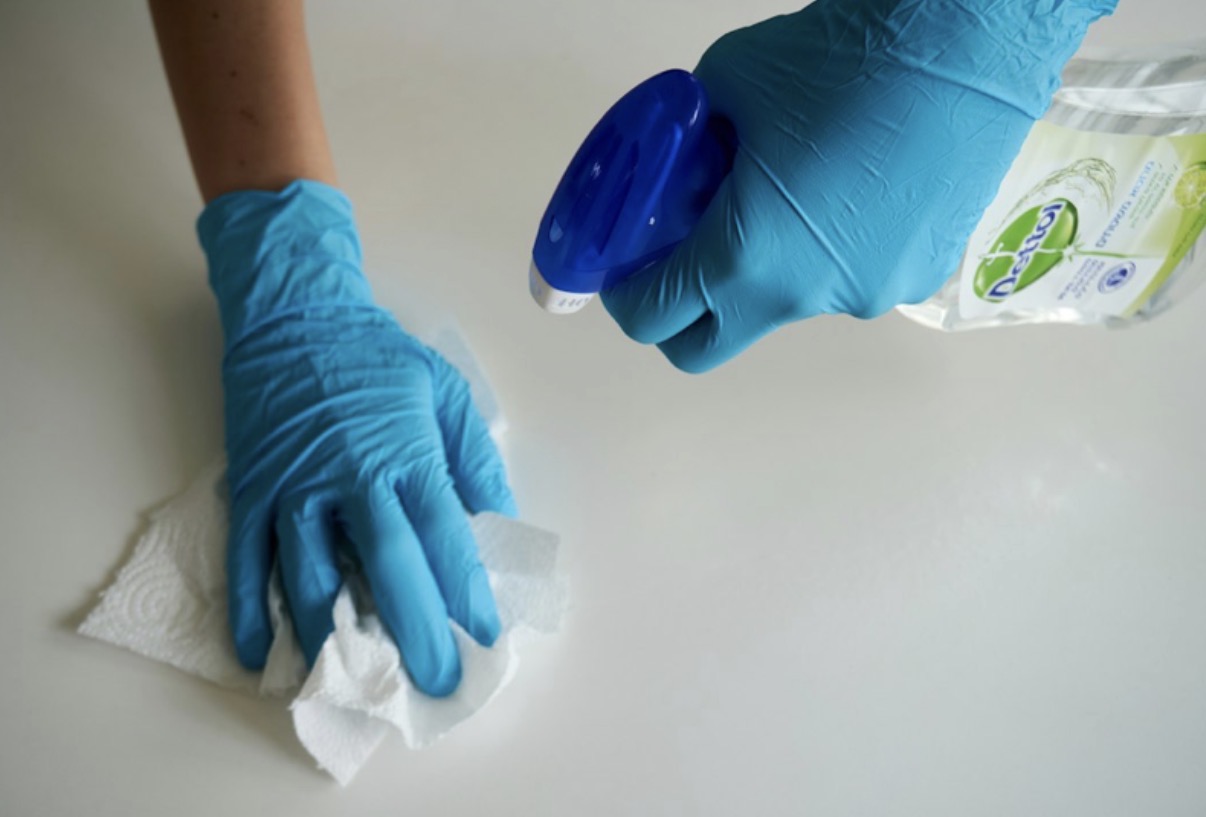
Extraction at each desk does far more than an open door. Nitrile gloves protect against repeated skin contact. Lids should go back on every bottle between clients.
Hair salons face a different problem. Dermatitis from shampoo, bleach and dye is common among hairdressers, and it often starts during training. Gloves for rinsing and colouring help, and so does drying hands fully between clients. Juniors need this message on their first day, not after the rash appears.
Many London boroughs also require nail bars and massage rooms to hold a special treatment licence. A licence inspection is a natural moment for an officer to ask about chemicals.
What Should Cafés and Restaurant Kitchens Watch For?
Food businesses focus hard on hygiene, and chemical safety can slip behind it. Oven cleaners, descalers, dishwasher detergents and sanitiser concentrates are all hazardous. Several are corrosive enough to burn skin or eyes.
Common mistakes in small kitchens include:
- Decanting concentrate into an unlabelled spray bottle.
- Mixing bleach with an acid descaler, which releases chlorine gas.
- Storing chemicals on a shelf above food or near the pass.
- Spraying oven cleaner in a hot, closed kitchen with the extraction off.
New openings are a good time to get this right. When a restaurant such as Forbici opens in London, it hires, trains and stocks a kitchen from scratch. A COSHH folder built during that rush is far easier than one rebuilt after a complaint.
How Do Cleaning Firms Manage Chemicals Across Many Sites?
Contract cleaners meet COSHH from another angle. Their staff work in offices, gyms and flats owned by other people. The chemicals travel with them in vans and on trolleys.
The cleaning company is the employer, so it owns the assessment for its own products. The client site still has duties for its own hazards, such as a gym’s pool chemicals. A clear note of who supplies what closes the gaps.
Colour-coding cloths and buckets stops staff carrying germs from toilets into kitchens. The British Institute of Cleaning Science publishes colour-coding guidance that many firms adopt. It does not replace COSHH, but it gives teams a shared language for safe methods.
Large mixed-use schemes raise the stakes. The new Elephant Quarter in Elephant and Castle puts homes, shops and workspace side by side. One cleaning contract there can cover all three, each with its own products and risks.
What About Workshops and Repair Shops?
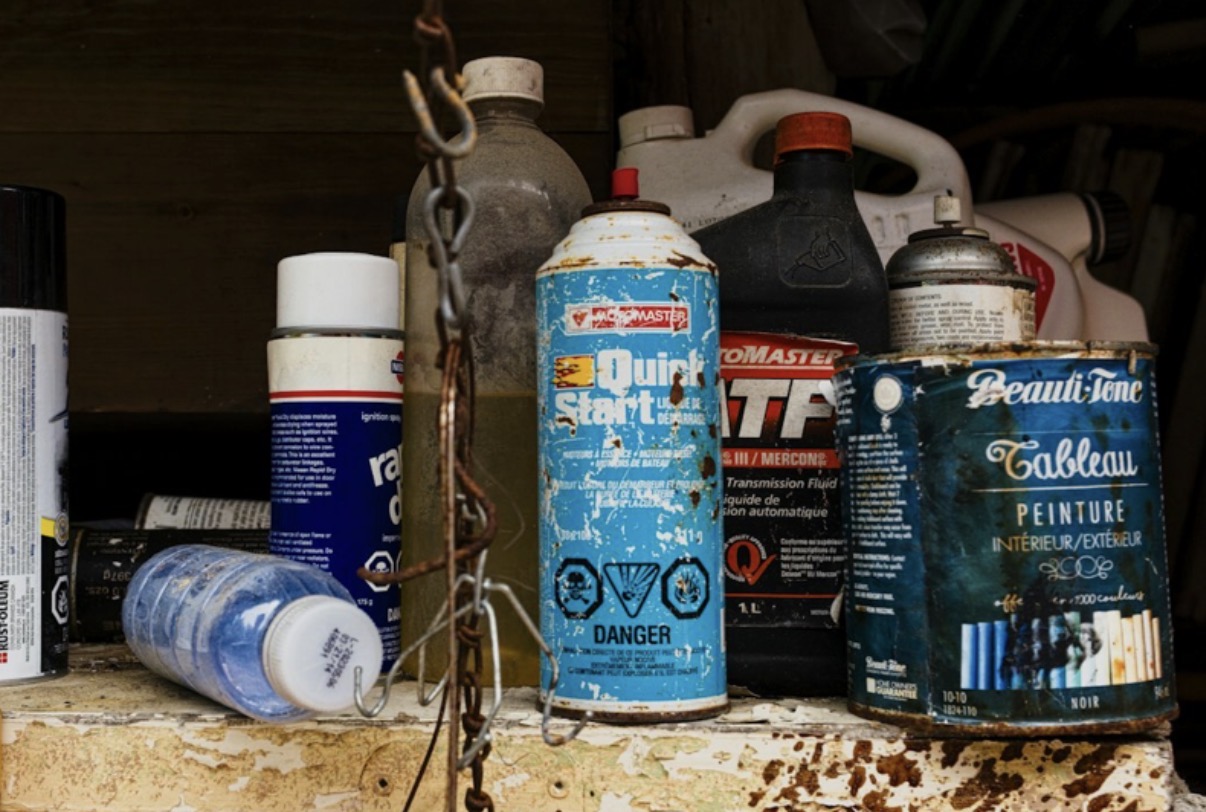
Bike shops, car body repairers and furniture restorers fill railway arches across London. Their products include degreasers, solvents, paints, adhesives and wood dust. Many of these exposures build up slowly over years.
Isocyanate paints used in vehicle refinishing are a well-known cause of occupational asthma. Spraying them needs a proper booth, air-fed breathing equipment and often health surveillance. A small arch workshop should take advice before buying this kind of product at all.
Where Does Training Fit In?
Training ties every other duty together. A good assessment means little if the Saturday assistant has never read it. Staff should know:
- Which of their products are hazardous and why.
- What the pictograms on each label mean.
- Which gloves, masks or ventilation to use for each task.
- What to do after a spill, a splash or a swallowing incident.
- Who to tell when a control, such as an extractor fan, stops working.
Delegates on a short COSHH course often find that the hardest part is habit, not law. A laminated card by each workstation keeps the key controls in view. So does a five-minute briefing whenever a new product arrives.
FAQ
Do I Need a Written COSHH Assessment for a Small Shop?
The law asks for a suitable and sufficient assessment. Employers with five or more staff must record the significant findings. Writing it down is good practice for smaller teams too.
Are Supermarket Cleaning Products Covered by COSHH?
Yes, when they are used at work. A domestic bleach used to clean a café toilet is a workplace hazard. Its label and safety data sheet still apply.
Who Inspects COSHH Compliance In a London Shop?
For most shops, offices, cafés and salons, the local council enforces health and safety. HSE covers others, such as factories and many workshops. Either can ask to see your assessment.
How Often Should a Business Review Its COSHH Assessment?
Review it when something changes, such as a new product, a new task or a reported skin reaction. Many small businesses also set a fixed yearly review date.