
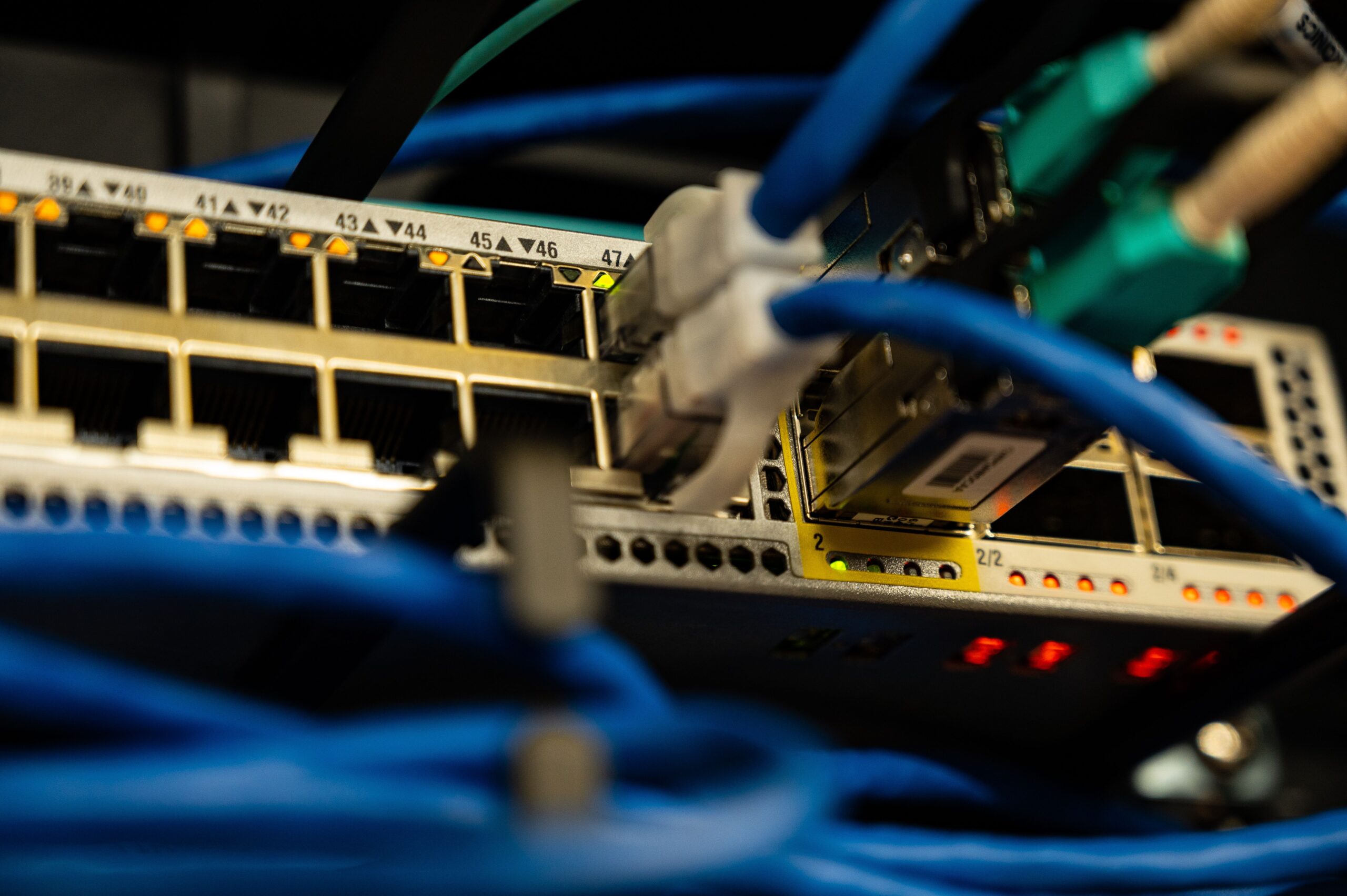
Internet cafés were once touted as a mainstream necessity and tool in modern life. They popped up all over the country, and many of us partook for work, education, and communication. Over time, however, the scene in most countries and cities, including London, began to wane. Today, only a few dozen internet cafés call London home, and even that might be looking at the numbers generously. So, how did we get here, how do we compare to others, and where could the future lie?
Early Success
The explosion of internet cafés first started around the late 1990s. This was around the time that high-speed internet became widespread enough to reach public visibility. While this system called DSL was invented a decade earlier in 1988, the expense was often prohibitive enough to confine its implementation to business use.
With internet cafes, Londoners could experience the full breadth of the early internet before the age when a computer became a necessity. They also avoided being hamstrung by the slow speeds of dial-up connections, which could take minutes to load single pages.
Contemporary Comparisons
It’s difficult to get an exact number on how many internet gaming cafés exist in London right now, but according to online business searches, estimates sit at around 70, or around 100 if we include video gaming cafes. This is with a population of 9.2 million, giving an (admittedly bizarre statistic) of around one café per 100,000 people.
Compare this, for example, to a world leader like Seoul. Conservative estimates place the number of internet cafés in Seoul, again including gaming cafés called PC Bangs, at 3,000. This means one internet café for around 3,300 people. London never came close to this kind of penetration, but the ratio of people to internet cafés in our city has still declined drastically, so why is this?
Need, Integration, and Infrastructure
The underdeveloped or underserved internet café landscape in London isn’t due to any singular factor. For one thing, the popularisation of laptops in former years has meant that mobile computing solutions make for more convenient options. There is also the fact that many traditional coffee shops, while not strictly internet cafes, offer Wi-Fi to customers, essentially usurping a position as third spaces for internet use.
More contemporary issues tie into the cost and complexity of integrating different computers and computer infrastructure with typical uses. Current price surges mean buying many computers today is expensive. Catering to common needs with what is now frequently subscription-based online software also means internet cafes can incur higher operating costs. Combined with higher energy demands, the environment isn’t especially suitable to the requirements of internet cafes of today. While these concerns also manifest on individual systems, this is much less of an issue with customisable systems and use cases.
Although more expensive than earlier versions, a typical home business computer has increased capabilities which allow us to do more than ever before without leaving home. You can run a full business via a computer, and still have capacity for extra uses which make it even more valuable. You could run an iGaming establishment, having access here to a range of tools like data collection and reporting through a single game aggregation API. A modern platform like this lets you manage hundreds of studios and thousands of games from this system alone, which is unrealistic and inconvenient via an internet cafe. Combine this with home communication, entertainment, and privacy, and the convenience of home computing can’t really be matched.
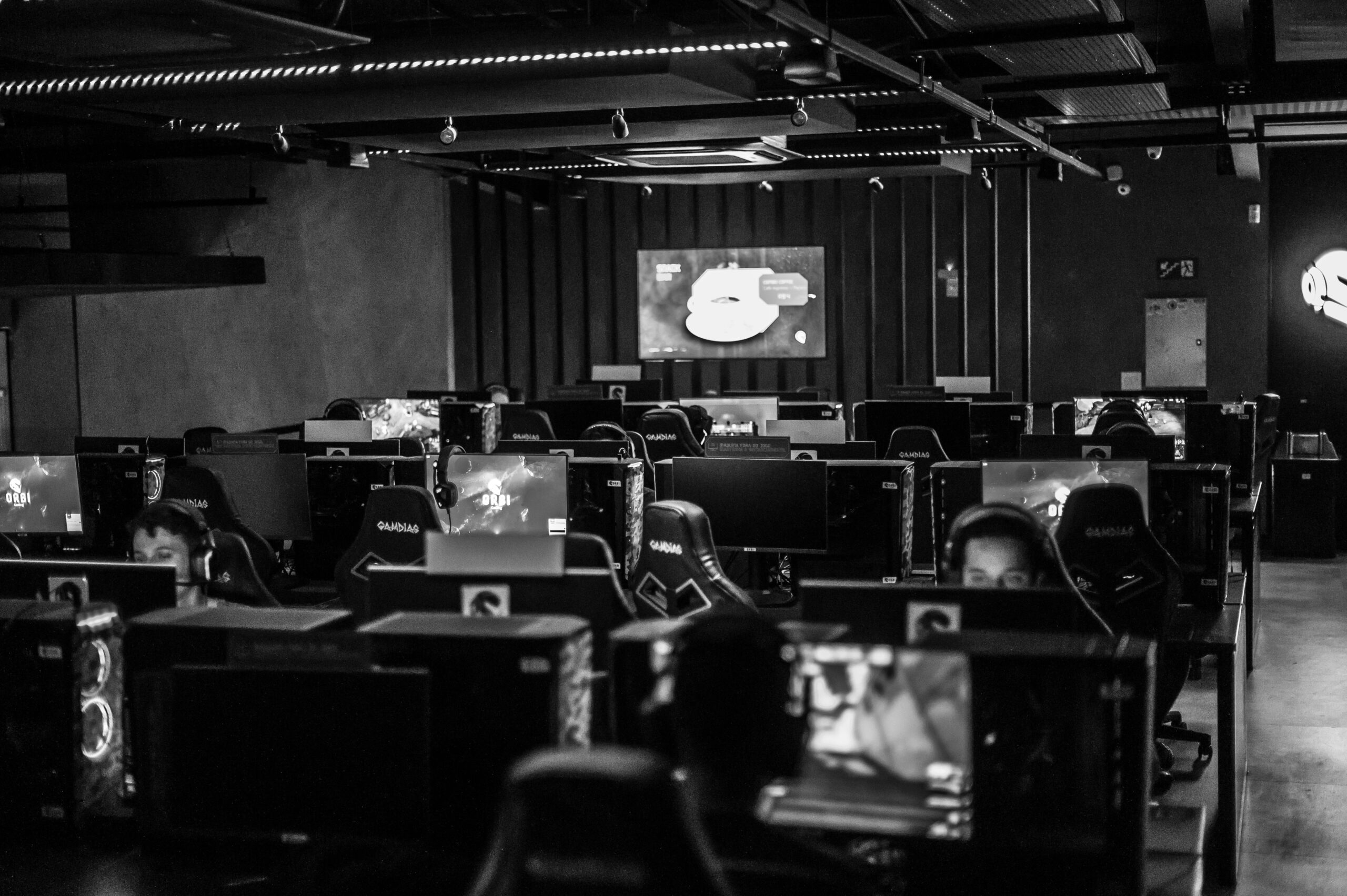
The internet café scene in London today is stable, yet potentially not nearly as widespread as it could be. Locations like Sydenham Internet Cafe and Best One Internet Cafe have shown that there is demand, but fulfilling this demand in a cost-effective way that appeals to Londoners is not an easy task. With home computing becoming more expensive, there is at least hope that cafes can pick up some of the slack, especially if issues with RAM and storage shortages continue.