
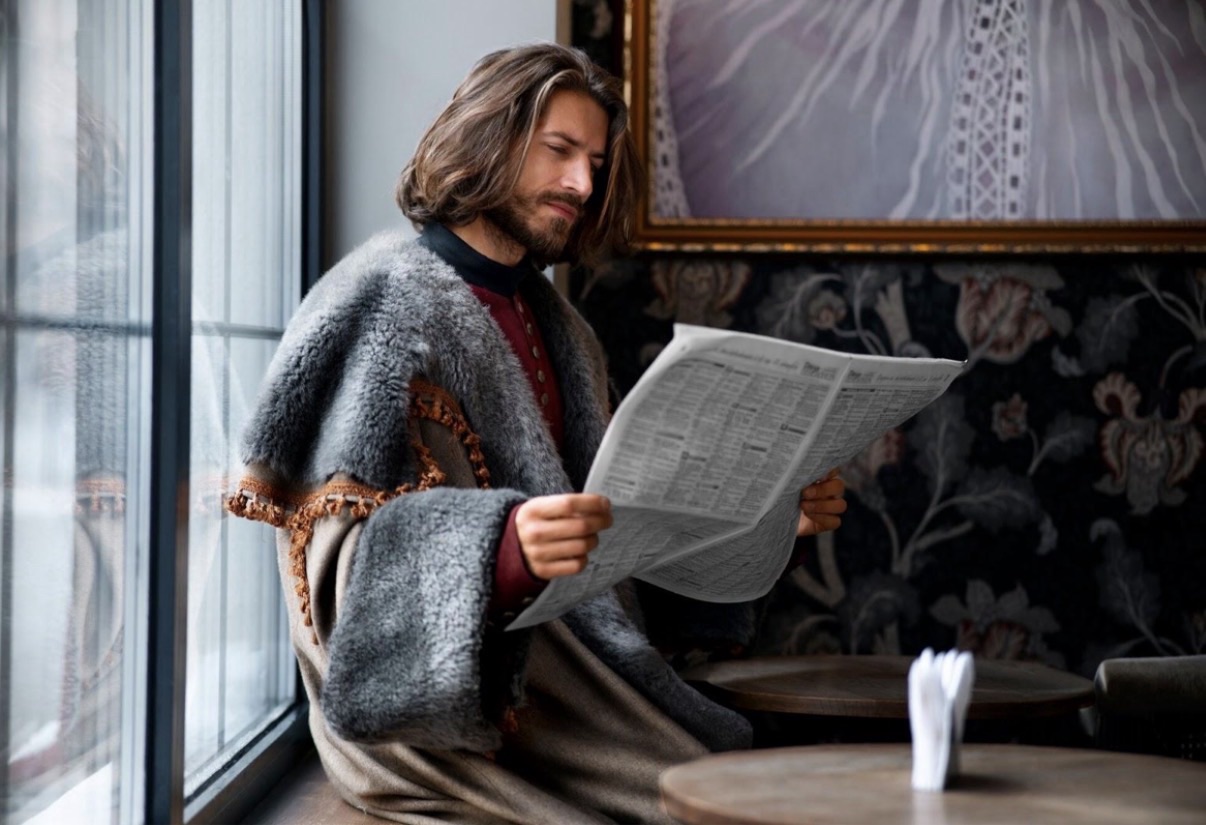
Long before algorithms weighed compatibility and apps sorted potential matches by proximity, British adults were already doing something recognisably similar through whatever means their era offered. Newspaper columns, formal agency interviews, voice recordings left on telephone lines — each generation found a way to present itself, browse available others, and reach toward connection without relying purely on chance or social proximity. London sat at the centre of this quiet, persistent social experiment, and the tradition runs considerably deeper than most people realise.
A Tradition Built on Discretion and Targeted Connection
The Transroulette editorial team, which covers the modern digital matchmaking landscape, notes that the most striking thread running through this history isn’t the changing technology but the unchanging anxiety around privacy. In every era, people have wanted to find compatible partners through some channel that felt purposeful and contained rather than exposed and public. That observation extends naturally to what the tradition looks like now. The team points readers who want to see where this impulse has landed in the digital age to explore what LustMatch offers — a niche platform built around specific preferences that carries the same centuries-old logic of targeted, discreet connection into a contemporary form.
“The need for privacy hasn’t been incidental to British matchmaking — it’s been structural to it. Every era found a different mechanism, but the underlying requirement was the same: a way to look without being seen looking, and to connect without the full weight of public exposure.”
That observation is the lens through which the rest of this history makes most sense.
Coded Words and Social Stigma in the Victorian Personal Ad
Personal advertisements seeking romantic or matrimonial connection appeared in British newspapers as far back as the early eighteenth century, but it was the Victorian period that gave them their most distinctive character. The penny press of the nineteenth century made newspapers affordable to a much broader public, which widened the potential audience for personal ads well beyond those wealthy enough to have always been readers. More people could advertise. More people could respond. But the social arithmetic of doing so remained uncomfortable.
Placing an ad implied, to anyone who noticed, that conventional social channels had failed you. Victorian society had clear ideas about how respectable people found partners — through family networks, church acquaintance, and formal introduction — and stepping outside those channels carried a reputational cost that was hard to overstate. The solution was framing. Advertisers placed their notices under headings like “Matrimonial,” lending the whole enterprise an air of serious intention rather than desperation. The language inside those notices was equally careful — elliptical, coded, dense with adjectives chosen to signal social standing and character without stating either too bluntly. A reader who knew how to read them could extract a great deal. A casual or hostile reader might find nothing to object to at all. The gap between those two readings was, in a sense, the whole point.
The Marriage Bureau and London’s Role in Professional Matchmaking
The shift from newspaper columns to professional introduction agencies marked a genuine change in how structured matchmaking worked. Where a personal ad was public by nature, an agency consultation was private by design. Professional marriage bureaux, which emerged in Britain in the early-to-mid twentieth century, replaced anonymous text with detailed personal interviews and written records. Clients spoke to a real person, disclosed information in confidence, and were matched against records of others who had done the same. The indignity of the public column was replaced by something closer to a professional service.
London’s position as Britain’s publishing and commercial capital made it the natural home for both strands of this industry. The city concentrated the readership that made personal ads viable and the commercial infrastructure that made agencies possible. The Marriage Bureau, founded in London in 1939, became one of the best-known examples of what this model could look like at its most organised. Its founders matched clients through careful consultation rather than public self-advertisement, and its existence helped shift the cultural perception of professional matchmaking, at least partially, away from the stigma that had shadowed newspaper columns for a century.
Voice Messages and Anonymous Browsing Before the Internet
The 1980s introduced a new medium that preserved the anonymity of the Victorian personal ad while adding something the printed word couldn’t offer: the human voice. Telephone dating lines let users record a short spoken description of themselves, then browse and respond to others’ recordings without any direct exchange. You could listen to dozens of people without revealing a thing about yourself. You chose when to engage.
The parallels with earlier eras are clear once you look for them. Privacy remained the structural concern. What changed was the texture of self-presentation — a voice carries warmth, hesitation, humour, and accent in ways that no carefully worded classified ad can replicate. That created new possibilities for honesty and new possibilities for performance. People shaped their spoken personas just as deliberately as Victorian advertisers had shaped their coded text. The medium was different; the calculation of what to reveal and what to withhold was not.
From Classified Columns to Clicks
The first commercial internet dating sites appeared in the mid-to-late 1990s, and the scale of what became possible changed almost overnight. Matchmaking moved from a local, paper-based process to a digital one with reach that earlier generations couldn’t have imagined. But the more interesting development came slightly later, when niche platforms built around specific communities, identities, and relationship preferences began to carve out their own space within that larger landscape.
Those niche platforms echo the targeted, community-specific logic of the old introduction agencies more closely than any general-audience site does. They replicate, in digital form, the same basic premise that the marriage bureaux understood: that people looking for something specific are better served by a channel designed around that specificity than by one built for everyone. The technology has changed beyond recognition. The underlying structure — purposeful, discreet, targeted — is the same one that shaped those first coded notices in the penny press. Britain’s long habit of finding inventive ways to connect didn’t end when the internet arrived. It just found a new address.