
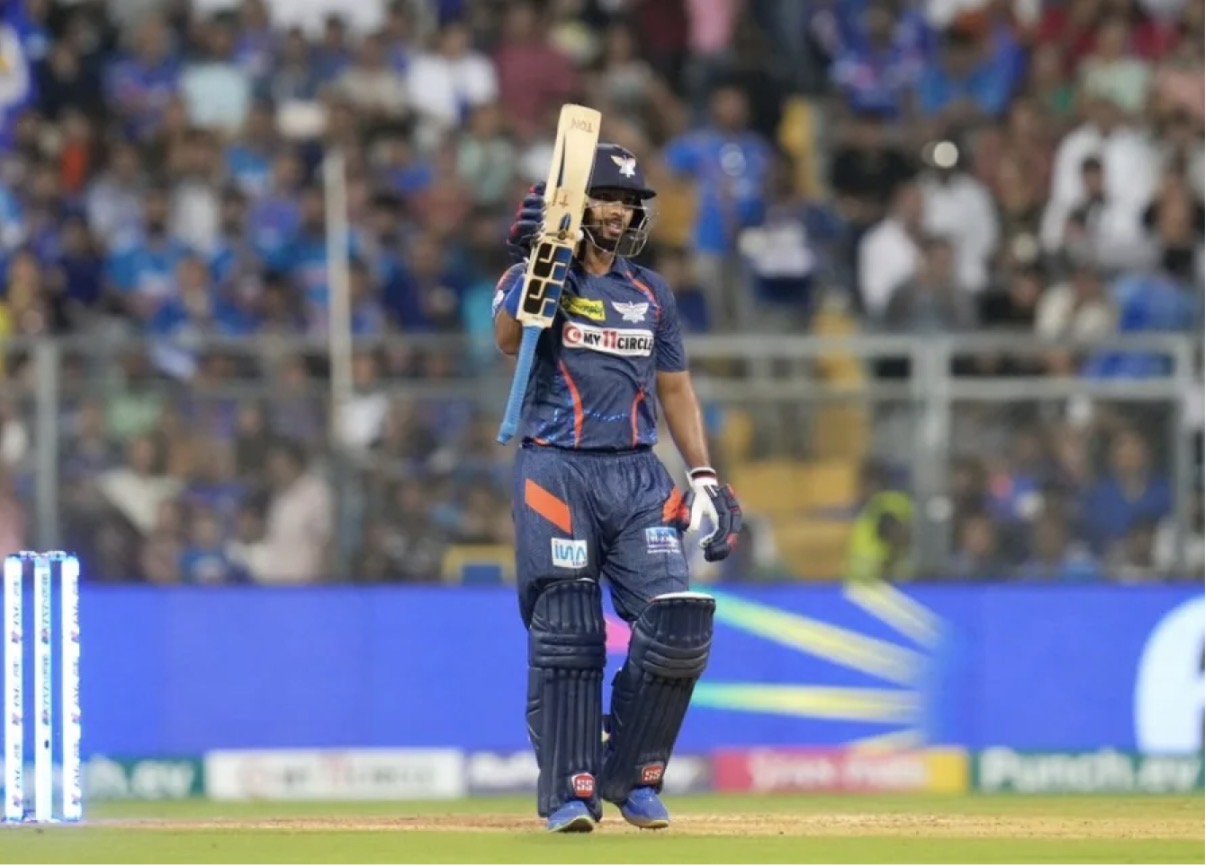
Cricket no longer lives only on the field. In 2026, it sits in every pocket. Fans check live scores at traffic lights. They build fantasy teams during lunch breaks. They place predictions between overs. One screen streams the match. Another tracks stats, rewards, and social chatter.
The shift happened fast. Cheap smartphones widened access. Faster mobile networks cut delays. Cricket apps became lighter, sharper, and easier to use. A fan in Mumbai now follows IPL data with the speed once reserved for TV studios. A user in London can join a fantasy contest seconds before the toss.
Fantasy sports changed how fans watch the game. A boundary no longer helps only the batting side. It can lift a user’s rank in a private league. Every ball matters. A quiet middle over now carries weight because points move with each run, catch, and wicket.
At the same time, mobile gaming blended into cricket culture. Fans no longer leave the sport after the final over. They move into prediction games, cricket simulators, reward systems, and real-time engagement platforms. Many apps now combine live scores, community chat, mini-games, and tournament tracking in one place.
This new ecosystem feels less like passive viewing and more like a live control room. The modern fan taps, tracks, reacts, and competes throughout the match.
In 2026, cricket is not just watched. It is played digitally, managed statistically, and experienced continuously.
How Fantasy Sports Changed Cricket Viewing
Fantasy sports turned cricket fans into active participants. In the past, most viewers watched matches like passengers on a train. They followed the score and waited for the result. In 2026, fans sit closer to the engine. Every over affects rankings, contests, and rewards.
A fantasy user studies pitch reports the way a coach studies weather before a game. Team balance matters. One smart captain pick can swing an entire contest. A death-over bowler now carries the same tension as the final batter at the crease.
This change pushed millions of users toward mobile platforms. Fans want fast stats, live updates, and smooth gameplay in one place. Many users now keep several apps open during matches. One app streams the game. Another tracks fantasy points. A third handles predictions, rewards, or gaming features.
Mobile gaming platforms also grew around this demand. Some users prefer fantasy contests. Others enjoy quick prediction games, digital rewards, or casino-style entertainment during live tournaments. Platforms offering easy Android access became especially popular because users can install them directly and join games within minutes. Many cricket fans now search for a reliable bc game download option during major events like the IPL or T20 World Cup.
The result is a faster and more interactive cricket culture. Fans no longer wait for post-match highlights. They react ball by ball, point by point, and contest by contest.
Mobile Gaming Became Part Of The Match Experience
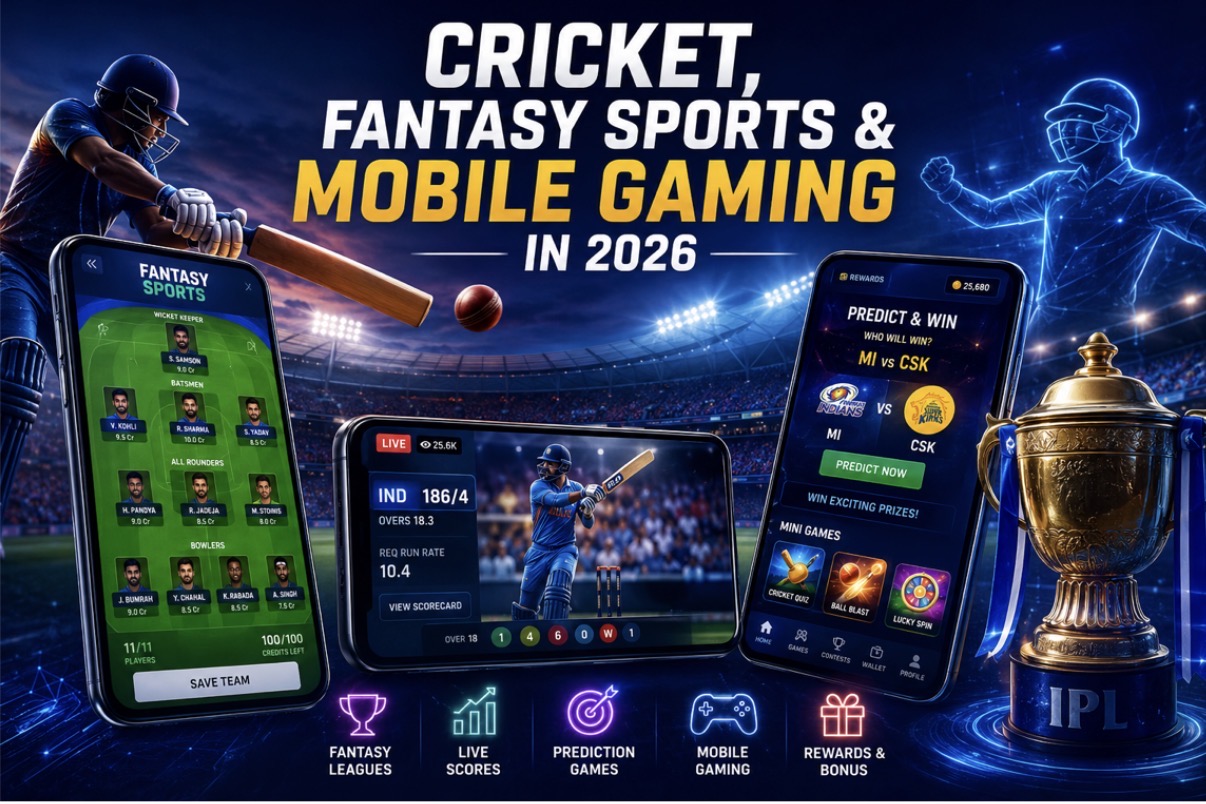
Mobile gaming now sits beside live cricket like a second scoreboard. Fans no longer watch matches in silence. They predict outcomes, collect rewards, join fantasy contests, and react to every over in real time.
This habit grew because modern apps reduced friction. A user can open an app, join a contest, and track progress in less than a minute. Faster phones and stable mobile internet made the process feel smooth, even during high-traffic IPL matches.
Different platforms now serve different types of cricket fans. Some users focus on fantasy leagues. Others prefer prediction-based games or casino-style entertainment linked to live sporting events. The table below shows how these experiences differ.
| Platform Type | Main Purpose | User Behavior During Matches | Example Activity |
| Fantasy Sports Apps | Build virtual teams | Track player performance ball by ball | Selecting a captain for extra points |
| Live Score Apps | Follow match data | Monitor wickets, strike rates, and partnerships | Checking win probability after each over |
| Prediction Platforms | Guess match outcomes | React to momentum shifts during live play | Predicting the next wicket or total score |
| Mobile Gaming Apps | Entertainment and rewards | Switch between games during breaks in play | Playing quick games between innings |
| Community Cricket Apps | Fan interaction | Share opinions and match reactions | Joining live chats during IPL games |
This mix changed the rhythm of cricket viewing. Earlier, fans focused only on the final score. Now they focus on dozens of smaller moments. A single catch can change fantasy rankings. One over can reshape prediction contests. A slow partnership can affect live gaming patterns across multiple apps.
The modern cricket fan no longer watches from the outside. The phone pulls the user directly into the flow of the match.
What Modern Cricket Fans Expect From Mobile Apps
Cricket fans in 2026 expect speed, simplicity, and constant interaction. Slow apps lose users fast. Delayed updates feel like watching a match through fogged glass. Modern platforms must react instantly and stay easy to use during long tournaments.
Most users now look for a mix of features inside one ecosystem. They want live scores, fantasy tools, gaming options, and community features without switching between five different apps.
The most successful cricket platforms usually offer:
- Real-time score updates with ball-by-ball tracking
- Fantasy team management during live matches
- Fast Android installation with low storage use
- Prediction games tied to live cricket events
- Reward systems for active users
- Low-latency performance during IPL and T20 matches
- Simple payment and withdrawal options
- Push notifications for wickets, milestones, and match starts
- Live chat or fan communities during major tournaments
- Multi-device support across phones and tablets
These features shape user habits. Fans now expect apps to behave like a live sports desk. They want instant reactions, clear data, and smooth navigation under pressure.
A cricket app today works less like a static website and more like a digital stadium. The crowd noise, scoreboards, predictions, and reactions all move at the same time inside one screen.
The Future Of Cricket Entertainment Platforms
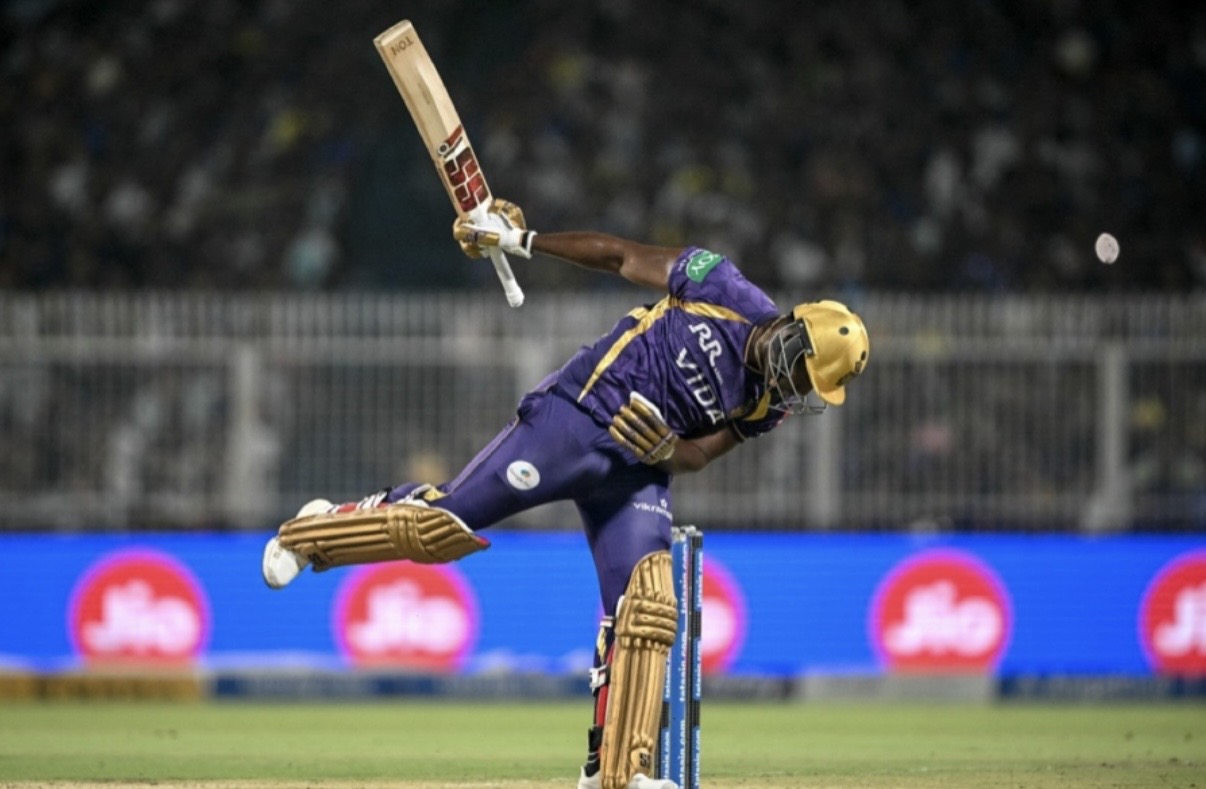
The line between sports, gaming, and digital entertainment keeps getting thinner. In 2026, many platforms no longer focus on one feature alone. They combine live cricket data, fantasy contests, prediction tools, and mobile gaming inside the same system.
This shift changed how fans spend time during tournaments. Earlier, users opened an app only to check scores. Now they stay active before, during, and after the match. They follow statistics, join contests, earn rewards, and interact with other fans throughout the day.
Large tournaments accelerated this trend. Events like the IPL create nonstop traffic across gaming and entertainment platforms because users want constant engagement between overs and innings. This demand pushed many companies to build faster mobile ecosystems with broader features.
Platforms such as bc.game reflect this change. Users no longer expect only traditional betting or simple games. They look for full mobile experiences that combine quick access, live interaction, and entertainment built around major sporting events.
The next stage will likely move even deeper into personalization. Apps already track favorite teams, playing habits, and match interests. Soon, platforms may adjust recommendations in real time, much like a streaming service suggesting the next show after a finished episode.
Cricket itself remains the center of attention. But around that center, a large digital economy now spins every hour of the day.
Conclusion
Cricket in 2026 is no longer limited to stadiums and television screens. The sport now lives inside mobile apps, fantasy platforms, prediction systems, and digital gaming ecosystems. Fans move through this world continuously during a match, much like traders watching a fast-moving market.
Fantasy sports changed passive viewers into active participants. Mobile gaming added another layer of engagement. Live data, instant reactions, and reward systems now shape how millions of fans experience tournaments like the IPL and T20 World Cup.
This evolution also changed expectations. Users want speed, simple design, real-time interaction, and flexible mobile access. Platforms that fail to deliver smooth experiences lose attention quickly. The modern cricket audience moves fast and expects technology to keep pace.
The next wave will likely push deeper into personalization, AI-driven recommendations, and tighter integration between sports and entertainment. But the core idea will remain the same: fans want to feel closer to the game.
In 2026, cricket is not just something people watch. It is something they manage, predict, discuss, and experience every minute through their phones.