The biggest myth about a day at the races is that it begins at the racecourse. For Londoners, it begins under the departure board at Waterloo, holding a coffee, checking the platform and wondering why three people nearby are already wearing top hats before nine in the morning.
This is not merely the journey to the event. It is part of the event itself.
London’s summer racing season works because the capital can briefly empty itself into another version of England. Ascot, Epsom and Sandown are close enough to feel accessible but distant enough to provide escape. Within an hour or so, office shoes are standing on grass, the language of meetings has been replaced by talk of going and ground, and people who spent the previous evening comparing horse betting sites are suddenly discussing bloodlines with the confidence of hereditary breeders.
The train enables this transformation. It does not do so elegantly.
On major race days, Waterloo becomes a changing room without walls. Ties are adjusted beneath station clocks. Fascinators are protected from crowds with the care usually given to newborn children. Someone has bought a bottle of something fizzy and is discovering that railway furniture was not designed for opening it discreetly. By Clapham Junction, the carriage has divided into experts, optimists and people who have no idea which horse they are backing but insist they have “heard something”.
This sounds unbearable.
Occasionally, it is. But it is also more democratic than the racecourse likes to admit. Racing sells hierarchy through enclosures, dress codes and hospitality packages, yet the train places everyone in the same carriage. The owner, the annual racegoer and the group treating Ascot as a particularly formal pub garden all spend the journey negotiating the same crowded aisle.
The practical attraction is obvious. Ascot is served by direct trains from Waterloo, with the racecourse’s official travel guidance putting the average journey at 52 minutes. That is shorter than many daily London commutes, although the return trip after racing can make time feel like a less reliable concept.
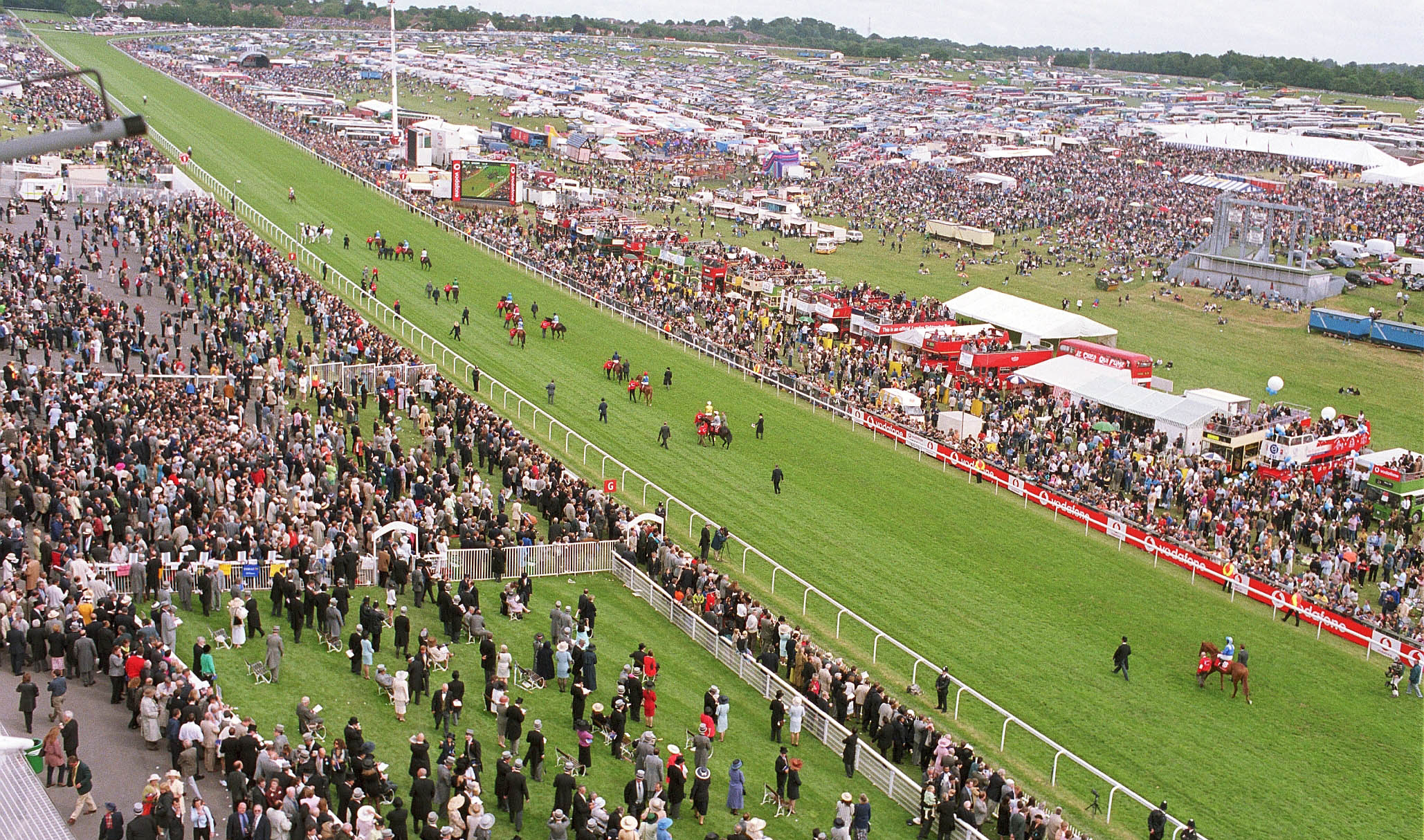
Epsom offers a different bargain. It is rougher around the edges, less committed to pretending that racing is an extension of court life. The Derby has royalty and tradition, but it also has the Hill, where spectators can attend without buying admission to the main enclosures. Ascot asks visitors to enter its world. Epsom allows the crowd to spill across it.
The capital’s proximity to several courses means a racing summer need not become a single grand expedition. A useful overview of racecourses near London includes Ascot, Epsom Downs, Sandown Park, Kempton Park and Lingfield, each offering a slightly different answer to the same question: how far must Londoners travel before they feel they have left London?
Not very far, as it turns out.
That is part of the pleasure. The commuter railway, normally associated with delayed starts and reluctant returns, becomes a route towards leisure. The same platforms used throughout the week to carry people towards offices now send them towards grandstands. London does not stop being London, exactly. It loosens its collar.
A guide to the season could tell you to check engineering works, buy tickets before travelling and wear shoes capable of surviving both turf and a crowded platform. All sensible advice. None of it addresses the real skill required, which is knowing how seriously to take the day.
Too seriously, and racing becomes homework. Every race demands study; every losing bet becomes a failure of analysis. Not seriously enough, and the horses become background entertainment between drinks. The best days sit somewhere between the two. Pay attention to the paddock. Have an opinion. Accept that the horse has not read your opinion and feels no duty to confirm it.
The commuter understands this balance better than most. Every London journey is an argument between planning and surrender. You check the timetable, choose the route and leave enough time. Then a signal fails outside Surbiton and the universe reminds you who is in charge.
Horse racing operates on much the same terms.
The return to Waterloo is therefore the proper ending. Jackets are carried rather than worn. Shoes have acquired a layer of Surrey. Winning tickets are discussed loudly, losing ones disappear without ceremony, and somebody who claimed to know nothing about racing is explaining why the jockey went too early.
By the time the train reaches London, the winners’ enclosure feels much further away than the mileage suggests. The city closes around the passengers again. Tomorrow, the same journey may lead back to work.
For one summer afternoon, though, the commuter line has carried them somewhere else.