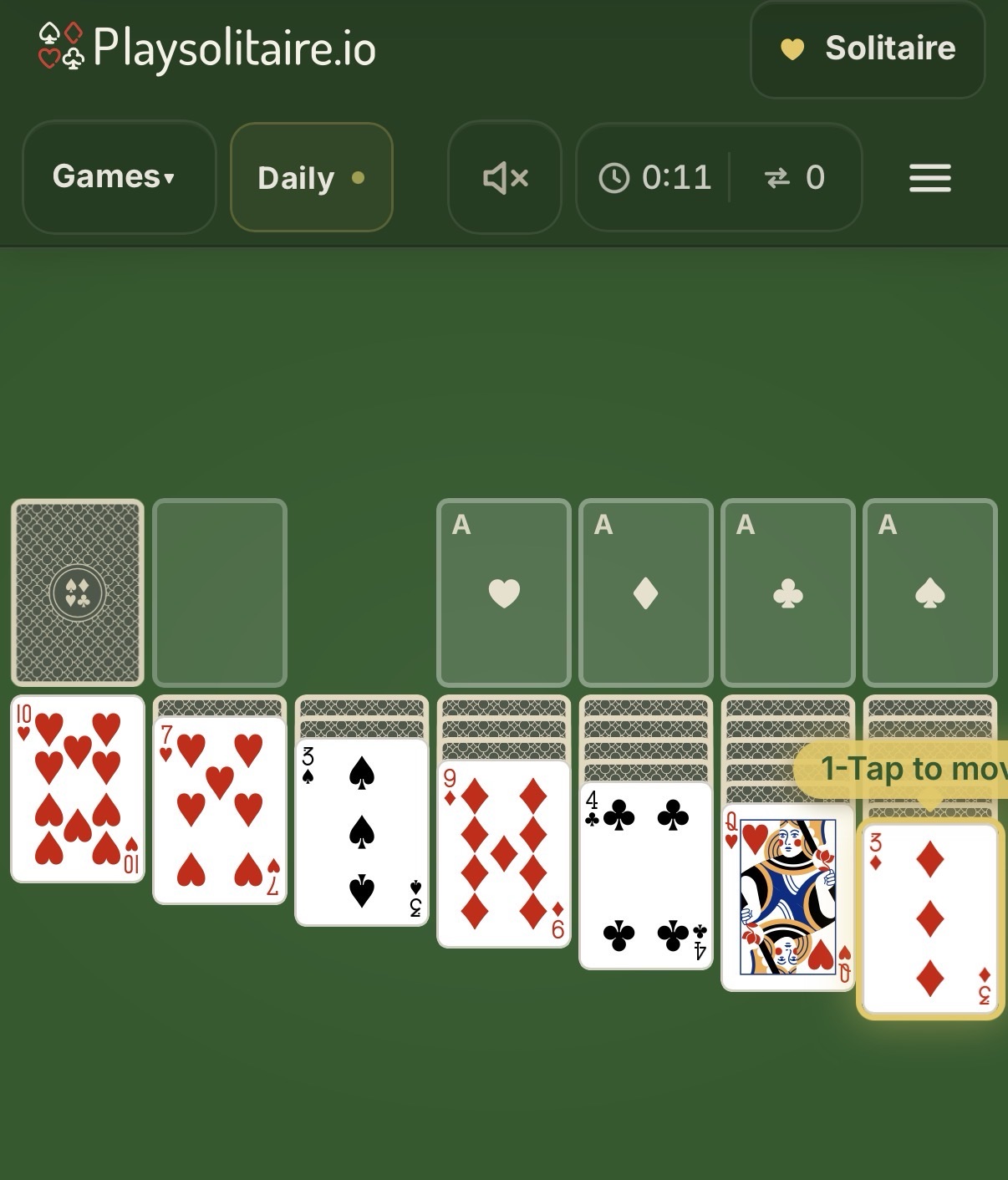
London has a way of filling every minute without always using it well. A delayed train, an early arrival before a meeting, or ten quiet minutes in a café can easily disappear into a stream of alerts. A short session on PlaySolitaire offers a clearer alternative because the familiar rules give the pause a purpose and a natural stopping point. There is no need to install anything or commit to a long session. The value is not simply the game itself. It is the chance to turn an awkward gap into a small moment of focus before the city demands attention again.
The hidden cost of default scrolling
Most people reach for a phone during a spare moment without making a deliberate choice. The habit is understandable. London often involves waiting, from platforms and queues to appointments that begin a few minutes late. Social feeds are designed to fill that space instantly, but they rarely make the pause feel complete. One item leads to another, and the mind remains open to every new alert.
A more useful pause has a visible beginning and end. It gives attention one simple task, then releases it. That does not require a serious productivity exercise. In fact, a familiar game can work precisely because it asks enough of the mind to interrupt restless browsing without creating another demanding obligation.
A pause needs a clear boundary
The best short activities fit the time that is actually available. Reading a long article may be rewarding, but it can feel frustrating when a train arrives halfway through. Starting a television episode makes even less sense. A single card game is easier to contain. It can be completed, paused, or left without the feeling that a larger experience has been abandoned.
This boundary matters in a busy city. A five minute break should not quietly become twenty minutes of drifting. Choosing one round before returning to work or boarding a train creates a simple rule. The pause stays restorative because it does not compete with the rest of the day.
Why familiar games suit the London rhythm
Classic card games require very little orientation. Their basic patterns are widely understood, and the visual language of suits, ranks, columns, and foundations feels immediately recognisable. That familiarity lowers the effort needed to begin. It also makes the activity suitable for places where concentration may be interrupted by announcements, conversations, or movement.
Solitaire adds a modest problem to solve. Players scan the layout, compare possibilities, and decide which move preserves the best options. The challenge is gentle but real. Unlike passive scrolling, it gives attention somewhere specific to go. Unlike many competitive games, it does not depend on sound, a second player, or a long uninterrupted block of time.
Use the environment instead of fighting it
A good city pause does not need perfect silence. It only needs an activity that can coexist with the surroundings. Someone waiting near King’s Cross may have seven minutes and frequent announcements. A parent outside an after school club may have a little longer but need to remain alert. A café customer between appointments may want to reset without opening another work task.
In each case, the setting provides a natural limit. The aim is not to escape the environment completely. It is to use the available interval intentionally. Keeping the phone on silent and choosing one specific activity can make that easier. When PlaySolitaire is used this way, the game becomes a small ritual tied to the pause rather than an invitation to stay online indefinitely.
Small rituals are easier to repeat
Useful habits often succeed because they are simple enough to repeat in ordinary conditions. A short walk, a few pages of a book, a quiet cup of tea, or one card game can all work when the choice is made in advance. The important part is knowing what the pause is for. Rest does not have to mean consuming whatever appears on a screen.
It can help to match different activities to different lengths of time. A few minutes might suit a single game. A longer wait may be better for reading or a walk. This removes the need to decide from scratch every time and makes the available moment feel more deliberate.
A better relationship with spare minutes
London will always create unexpected gaps. Some are too short for meaningful work but long enough to affect mood and attention. Treating them as small, complete intervals changes their character. The goal is not to optimise every second. It is to avoid giving every unclaimed moment to an endless feed.
A familiar game can be one part of that approach because it offers structure without pressure. When the next train arrives or the meeting begins, the pause has done its job. Attention can return to the city with a clearer sense that the time was chosen, not merely consumed.