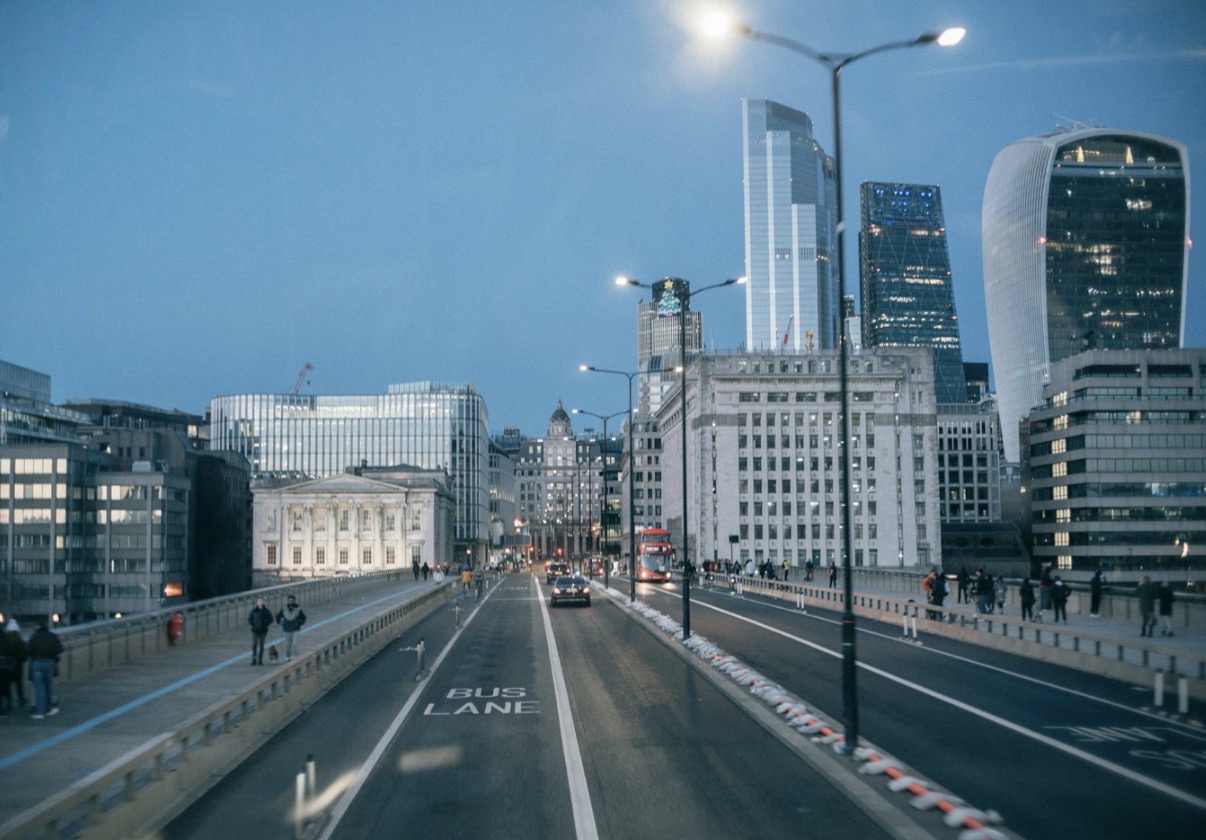
A Friday at half past eleven in central London does not look like it did in 2019. The night buses are quieter. The kebab queues are shorter. A meaningful slice of the late-night spend that used to flow through the Soho and Shoreditch nightlife corridors has migrated to flats in Hackney, Lewisham, and Walthamstow, where the cost-of-living squeeze has rerouted what people do after midnight.
The shift is not total. London remains a 24-hour city by most international standards. But the texture of late-night life has thinned in some directions and thickened in others, and the post-2022 settling pattern is now visible enough to describe.
Where the Late-Night Hours Actually Go
The 11pm-to-2am window for a typical London adult now splits across roughly four buckets. The first is traditional in-person socialising, which still dominates Thursdays and Fridays in particular postcodes. The second is streaming video, which absorbs the largest share of solo-occupied late nights. The third is gaming and second-screen activities running alongside ambient content. The fourth is interactive online, including messaging, dating apps, gaming-with-voice, and casual-chat platforms that market themselves to the after-hours audience.
That fourth bucket is where the demographic pattern is most interesting. Platforms positioned for casual cam to cam with girls late at night explicitly target the 11pm-to-2am London window in their UK marketing data, alongside similar pitches from dating apps and live-stream platforms competing for the same wedge of attention.
Why the Pub-Closing Time Matters Less Than It Did
The traditional 11pm pub-closing time stopped being a hard line for most of central London years ago, but its psychological pull weakened sharply during 2020 to 2022 and never fully returned. The combination of late-licensing reforms, the post-pandemic shift in opening hours, and the cost-of-living pressure on discretionary spend pushed a meaningful share of late-night activity earlier in the evening or out of pubs entirely.
The data is visible in the trade press. Bar takings between 9pm and 11pm have held up better than takings between 11pm and 1am. Late-night transport patterns show a sharper pre-midnight peak and a flatter post-midnight tail than they did pre-pandemic. The work-life balance pressure that this site has covered at length in the London context is part of the story. Long working hours, often combined with longer commutes from outer boroughs, leave most weeknight evenings without the energy reserves for a 1am pub finish.
What Came Out of the Pandemic Cycle
Some of the changes are direct. Restaurants that pivoted to earlier dinner sittings during the restrictions kept the new schedule because the staffing and yield numbers worked better. Pubs that experimented with 9pm last orders on Monday and Tuesday kept the format. Independent venues that closed permanently in the 2020 to 2022 window are mostly not coming back.
The indirect changes are harder to map but probably more important. A generation of younger adults who entered the city during the pandemic never built the late-night habit. They formed their default after-9pm patterns around home cooking, streaming, and online socialising rather than around pubs and clubs. The default has stuck. The same age cohort that previously would have been the engine of late-night spend in 2026 is now the engine of late-night streaming, gaming, and chat-platform engagement.
For Londoners who arrived via the city’s broader employment market, the shape of the modern London hustle and earning landscape reinforces the pattern. Side-income and freelance work often happens in the evening hours that used to be reserved for going out, which compresses the discretionary slot into a narrower window.
How the Numbers Look in 2026
The aggregate picture is mixed but legible. Total late-night spend in London is roughly flat in nominal terms since 2019 and meaningfully down in real terms after inflation. Within that total, the bar-and-club share has dropped about six percentage points. The food-delivery share has risen about three points. The home-entertainment subscription share has risen about four. The categories everyone watches (streaming and gaming) account for most of the visible shift. The smaller categories (chat platforms, online communities, second-screen apps) account for the rest.
Geographic distribution also shifted. Central London (Soho, Shoreditch, Camden, King’s Cross) still dominates the weekend nightlife economy but holds a smaller share of total weekly late-night spend than it did. Outer boroughs increased their share of late-night activity by attracting residents who stayed home, ordered in, or used local high streets earlier in the evening rather than commuting back into Zone 1.
What Stays the Same
The city’s headline draws have not vanished. Friday and Saturday nights in the major nightlife corridors are still busy. Major event nights (sports finals, concerts, festival weekends) still produce the peak-hour transport pressure they always did. The aggregate trends pull in the direction of “earlier and quieter” without flipping any single category off the map.
What changed is the default. A typical London adult’s typical Tuesday at 11.30pm in 2026 looks more like a glass of wine at home with a streaming service running than it does like a pint at the local. The default is not glamorous. It is just the new normal that emerged once the pandemic-era patterns had time to settle.
A Closing Read
London’s late-night economy has not collapsed. It has redistributed, away from the pub-and-club axis that defined it through the 2000s and 2010s, and toward a mix of home entertainment, online interaction, and earlier-evening in-person socialising. The shift is steady rather than dramatic, and many of the older patterns are still recognisable underneath the new ones. For Londoners adjusting to the new shape, the practical takeaway is that the city’s late hours still have plenty to offer, but the offer looks different than it used to. The corner pub is still there. The 2am queue is just shorter, and the share of the city that chose to stay in tonight is larger than anyone admits in the trade press.