
Workplaces are experiencing an evolution in access security, driven by flexible working models and changing risk profiles. Understanding the vital factors when deploying modern access management helps organisations safeguard assets and ensure practical day-to-day operations. This article outlines the most important points for businesses considering new or upgraded entry solutions.
Physical security in offices and commercial settings is under fresh scrutiny as you evaluate not just who can enter, but how their movements are tracked and managed. An increasing value is being placed on both convenience and oversight, with rising expectations for reliability and compliance. As door access control systems become more sophisticated, clear planning ensures systems seamlessly support business needs and legislative expectations.
Business trends shape new access management needs
The expansion of hybrid and flexible working arrangements now requires that access controls adapt beyond traditional nine-to-five schedules. With more varied staff patterns and contractors coming and going, it is vital to ensure your security measures keep up with the pace of workplace change. Increased movement means access privileges need more dynamic and granular configuration.
Valuable equipment and sensitive areas are more present in business sites, making granular oversight of entry permissions critical. Modern businesses commonly rely on surveillance and logging tools to track who enters specific spaces at any given time. These practices create clearer audit trails, helping with both safety and regulatory compliance.
Defining requirements for technology selection
Effective solutions start with a clear understanding of your operational landscape. Identifying restricted zones, critical assets, and different user types, such as employees, contractors, or visitors, forms the backbone of a robust access plan. You should also evaluate traffic patterns throughout the day to pinpoint peak times and any bottlenecks.
Establishing what “good access” looks like for your daily operations helps guide practical choices. For example, rapid entry during shift changes may be as important as controlling guest movement through reception. Clarifying these criteria before comparing systems will help ensure your investment aligns with the workplace’s real-world needs.
Credential choices and everyday usability in the workplace
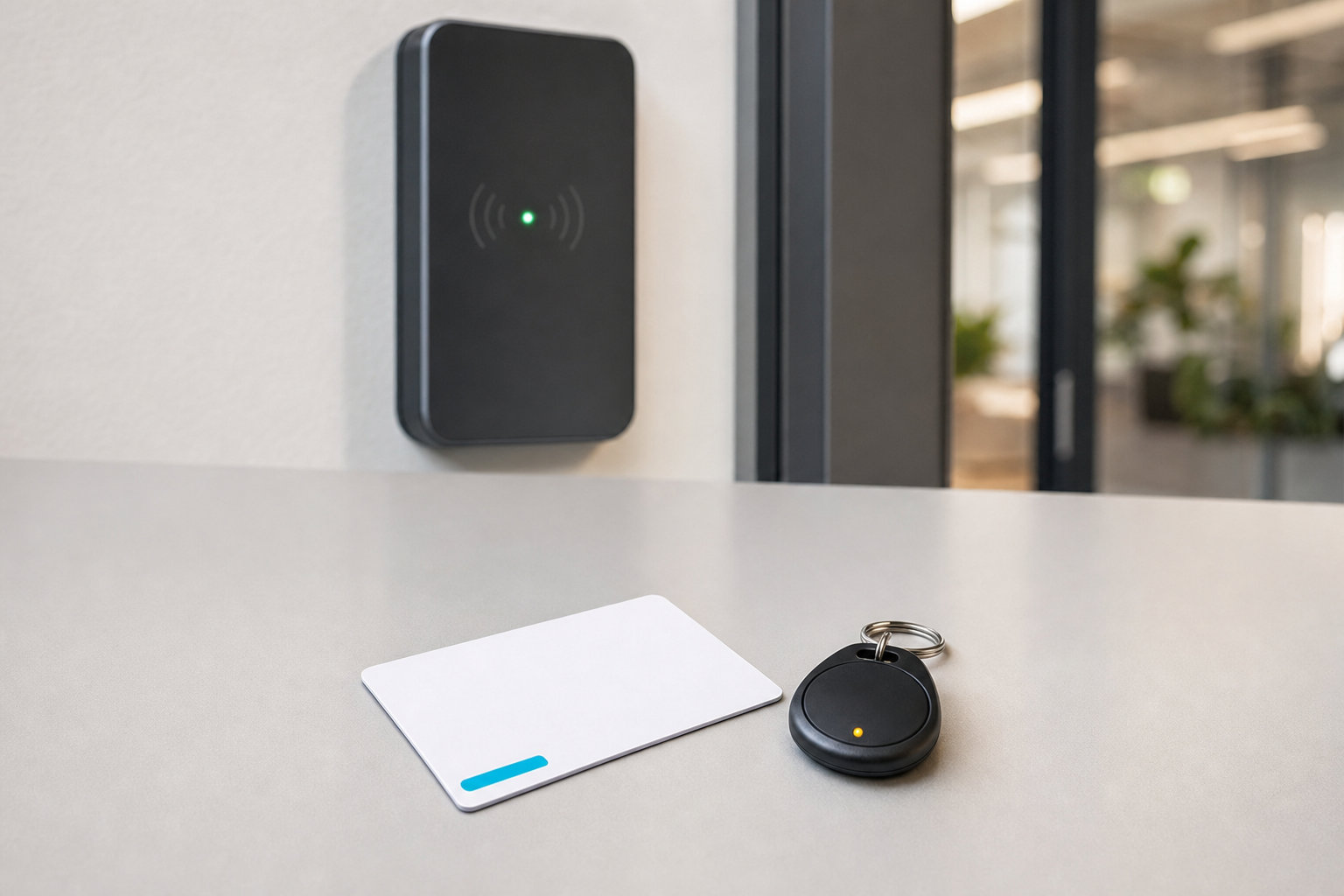
When weighing the options for modern entry systems, choosing the most suitable credentials is a key decision. Cards and fobs remain popular for their straightforward issue and replacement, while mobile app credentials are gaining traction due to their convenience and ease of distribution. Biometrics, including fingerprint or facial recognition, offer a higher level of certainty over who is accessing sensitive spaces but need careful privacy consideration.
Each method brings pros and cons in daily administration. Lost fobs and cards require prompt revocation and replacement, while mobile credentials often allow self-service reset. In evaluating usability, consider how easily your chosen approach scales, for example, adding or revoking access for large numbers of users during seasonal workforce changes.
Governance, integration, and long-term system resilience
Clear access policies are necessary to address organisational risk and operational efficiency. Introducing role-based or time-based permissions ensures individuals only access what is necessary for their responsibilities. Audit logs track entry events and support regular reviews, reducing the risk of lingering privileges after staff departures or changing roles.
Door access control systems are most effective when integrated with wider building security, such as video monitoring or alarm response protocols. Connecting physical access events with other digital systems helps speed up incident resolution and reduces gaps caused by manual checks. For further details on related integration approaches, see the Wikipedia entry on access control.
Reliability is essential for maintaining both security and convenience. Systems reliant on stable power and network connectivity should feature a local fail-safe capability to allow critical access during outages. Regularly testing backup procedures and avoiding single points of failure supports business continuity and ensures the workplace remains protected without disruption.
Proper data handling policies must be enforced wherever personal information or access logs are stored. Security standards demand that access credentials and audit trails are kept safe, with clear retention and deletion policies applied as needed to prevent unnecessary risk. Periodic reviews of user access guarantee permissions remain up to date, particularly as teams change and compliance rules are introduced.
For organisations planning phased system rollouts or upgrades, careful scheduling and staff training make changeovers smoother. Guiding users and administrators through new procedures helps reduce confusion and maintain productivity. Ongoing lifecycle management, including patching software and reviewing system performance, preserves investment value and ensures your controls keep pace with evolving threats and business requirements.
For readers seeking a practical review of access management fundamentals, the UK government provides relevant safety and workplace guidance.