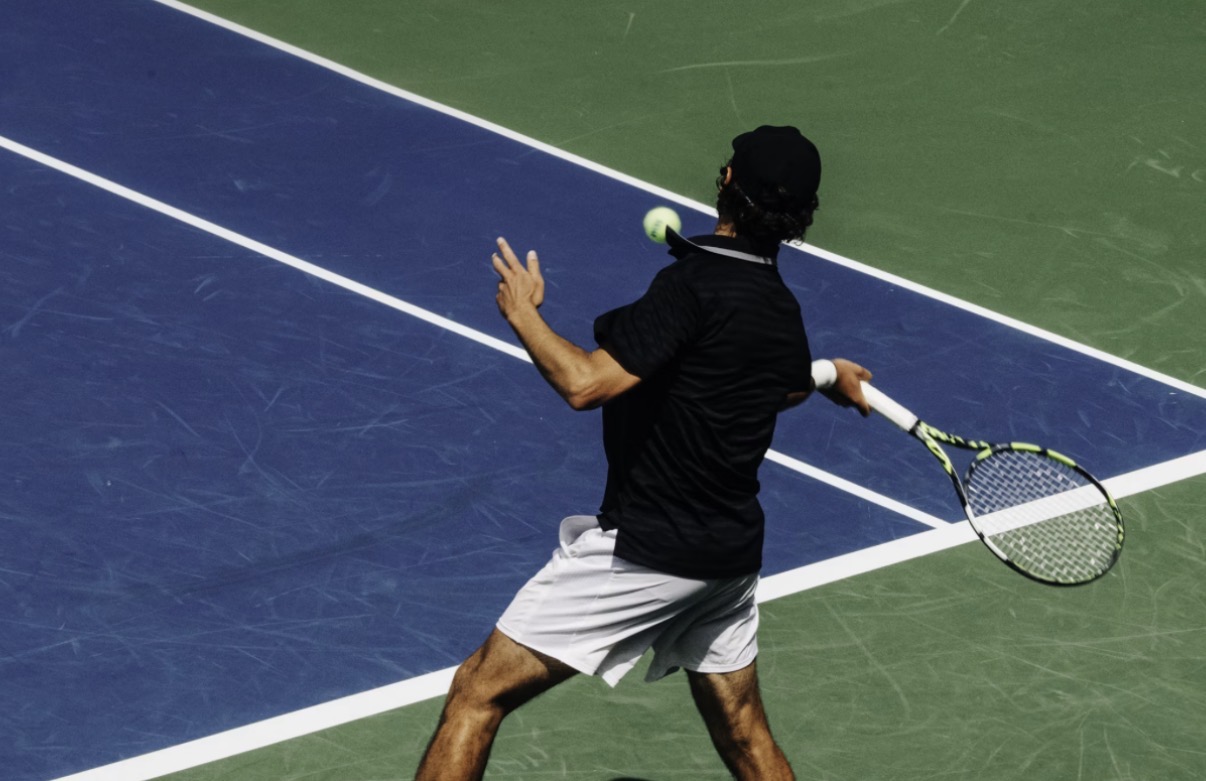
The Laver Cup returns to London from September 25–27, bringing Team Europe and Team World back to The O2 for three days of high-stakes indoor team tennis. Yannick Noah leads Europe, while Andre Agassi captains the defending champions Team World.
Carlos Alcaraz, Alexander Zverev, Taylor Fritz and Ben Shelton provide plenty of star power, but rankings tell only part of the story. Contrasting styles, doubles combinations and the unusual scoring system could make individual matchups equally important.
Why London 2026 Could Produce Some Fascinating Matchups
The Laver Cup creates matchups with a different context from the regular tour. Each day features three singles matches and one doubles contest, while victories become increasingly valuable as the three-day competition progresses toward Sunday.
Friday wins earn one point, Saturday wins two, and Sunday victories three, with the first team to reach 13 points claiming the trophy. The escalating system means later matchups can carry significantly greater weight in deciding the outcome as the overall contest develops.
London’s indoor hard court adds another dimension, rewarding strong serving, sharp returning and quick adaptation. Once play begins, live scores, match statistics and tennis odds can provide additional context as individual contests develop and team momentum shifts.
The Team Europe Players Who Could Set the Tone
Europe’s roster combines established stars with younger players who could find themselves thrown into important situations. Noah’s challenge will be getting the most from both groups.
Carlos Alcaraz
Alcaraz is the obvious headline act. His explosive movement and forehand can overwhelm opponents, while his variety makes him especially well suited to this format.
He can defend, attack the net and change pace within a rally. That versatility should be valuable against Team World’s bigger servers, particularly if his aggressive returning neutralizes the first serve and brings his movement and shot selection into play.
Alexander Zverev
Zverev offers Europe a different route to control. His first serve and deep groundstrokes can pin opponents behind the baseline, qualities that should translate well to an indoor hard court.
The key will be whether opponents can disrupt those comfortable patterns. Zverev becomes difficult to shift when he establishes rhythm, making players capable of changing rally length and court position especially intriguing opponents.
The European Wildcards
Jakub Menšík and Rafael Jódar add unpredictability to a roster featuring Casper Ruud and Flavio Cobolli. Both younger players bring plenty of energy and potential, but adapting to the Laver Cup’s team environment and mounting pressure could matter almost as much as their shot-making. Their ability to settle quickly and contribute in key moments could give the team an important edge.
The Team World Players Built for the Battle
Agassi has several contrasting options of his own. Team World can attack with power, counter with speed or turn to players capable of contributing across singles and doubles.
Taylor Fritz
Fritz brings stability to the lineup. A strong first serve, dependable backhand and controlled baseline game make him a natural candidate for important singles assignments.
His ability to play clean, direct tennis could be especially useful against Europe’s more creative players. Rather than matching their range of tactical variety, Fritz can try to simplify the contest early on and make execution the deciding factor.
Ben Shelton
Few players can shift a match as quickly as Shelton. His left-handed serve creates difficult angles, while his attacking style makes him especially dangerous in shorter points.
Those qualities also make him worth following beyond singles. An aggressive server with athleticism and confidence around the net gives Agassi plenty of possibilities when choosing high-pressure doubles combinations throughout the weekend.
Alex de Minaur
De Minaur presents a different challenge. His speed, retrieval and persistence can extend rallies, potentially pulling Europe’s heavier hitters away from the aggressive patterns they prefer.
Alexander Bublik, Tommy Paul and Learner Tien provide further options, making Team World’s selections difficult to predict. Form could also shift before September, with the latest tennis news and trends providing useful context as London approaches.
Three Potential Singles Matchups Worth Hoping For
The daily pairings are not fixed far in advance, so these are possibilities rather than confirmed fixtures. Still, several stylistic clashes already jump off the team sheets.
1. Carlos Alcaraz vs. Ben Shelton
This could be the weekend’s blockbuster. Shelton would want to use his left-handed serve to create immediate pressure and prevent rallies from developing. Alcaraz would have the opposite objective: absorb that opening attack and make the points more varied.
The key question is simple. Can Shelton consistently keep rallies short with his first-strike attacking style, or will Alcaraz turn them into the unpredictable exchanges he thrives on?
2. Alexander Zverev vs. Alex de Minaur
Power against persistence makes this potential meeting fascinating. Zverev can control points with his powerful serve and deep groundstrokes, while de Minaur relies on his speed and court coverage to force opponents into hitting an extra difficult shot.
Rally length would provide a useful clue. Short exchanges should favor Zverev’s ability to dictate; extended rallies could suggest de Minaur is successfully disturbing his rhythm.
3. Carlos Alcaraz vs. Taylor Fritz
Fritz’s serve and backhand against Alcaraz’s returning and movement would create another compelling contrast. The opening exchanges could quickly determine who controls the tempo.
Fritz would ideally establish repeatable, aggressive patterns. Alcaraz would try to break those patterns with changes of pace, direction and court position. Should they meet on Sunday, those tactical details could carry three valuable points.
Doubles Could Deliver the Weekend’s Biggest Tactical Twist
Singles stars receive most of the attention, but doubles gives both captains another puzzle to solve. Team chemistry can be just as important as individual quality in high-pressure situations. A strong partnership can also create opportunities to exploit matchups that may be less favorable in singles.
Alcaraz and Ruud would offer Europe an intriguing blend of creativity and baseline consistency across different court positions. Shelton and Paul could provide Team World with a similarly complementary combination, pairing Shelton’s left-handed serve with Paul’s versatility.
Serve placement, return positioning and movement at the net are worth watching closely. Quick communication between partners can be equally important during fast exchanges. A perfectly timed poach can change a doubles game faster than a spectacular baseline winner.
London Is Set for an Intriguing Laver Cup
Alcaraz, Fritz, Shelton and Zverev may provide the headline names, but London 2026 should be defined by more than star power. Contrasting styles, tactical adjustments and the unique Laver Cup team format could produce compelling contests throughout the weekend.
Daily lineup decisions, emerging players and unexpected doubles combinations should add further intrigue as the competition unfolds. Once the pairings are revealed, the defining matchup may ultimately come from somewhere few fans expected before the opening session.
*Content reflects information available as of 27/08/2026; subject to change