
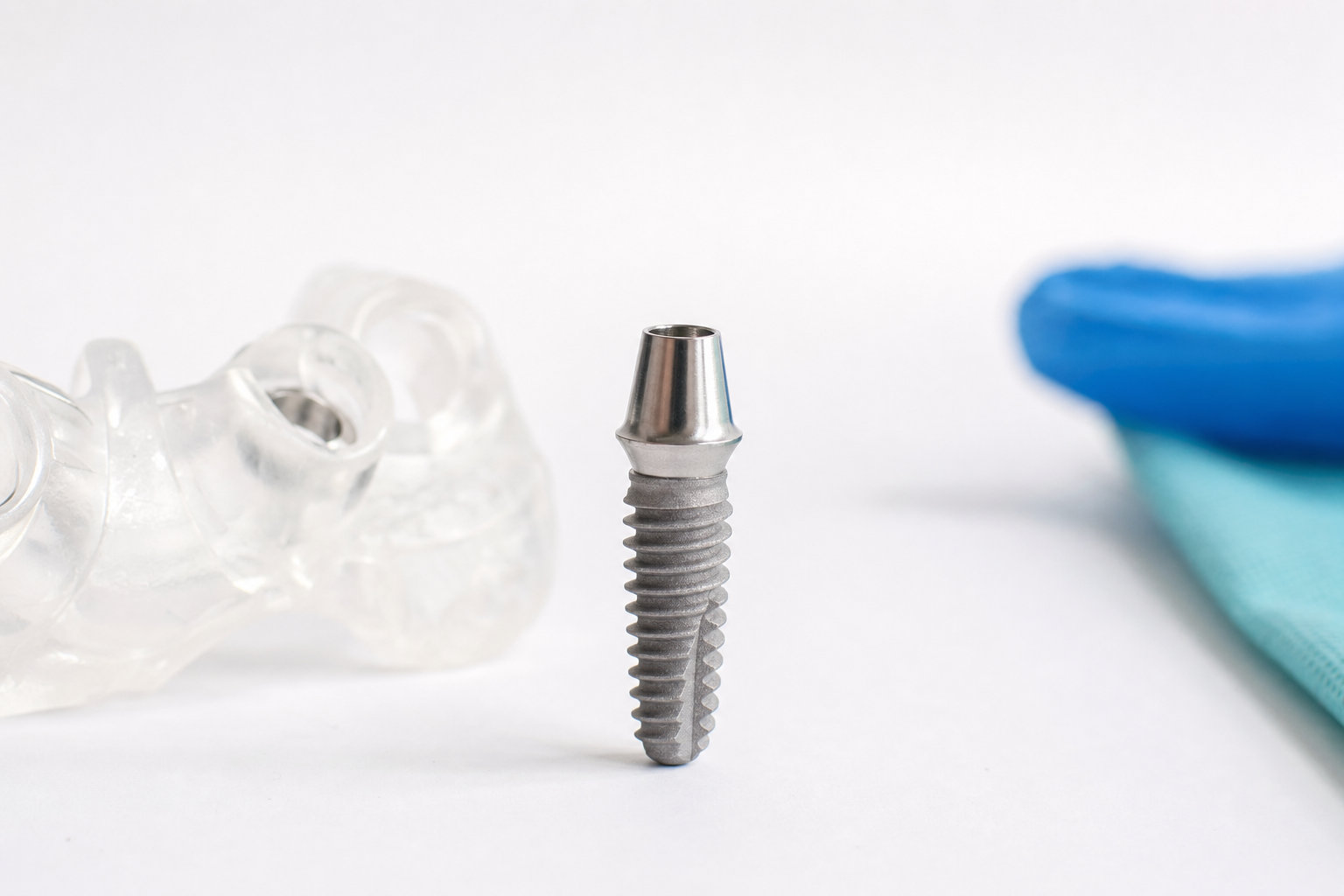
Technological advances in dental implants are changing the way lasting oral health can be achieved. These developments are making implants a more dependable and practical option for those seeking long-term solutions. Today’s dental implant treatments focus on both function and health, extending beyond traditional cosmetic approaches.
Dental implants now have a prominent role in long-term oral health strategies, valued for restoring function, wellbeing, and aesthetics. Many dental professionals, such as Berkhamstead dentists, observe that increased demand for these solutions reflects broader trends in clinical management of tooth loss and oral function. By offering developed alternatives to bridges and dentures, recent implant technologies may improve everyday comfort and oral function. Progress in planning, materials, and care suggests implants are being recognised as a logical option for those wanting durable and evidence-based solutions.
Why dental implants are central to lasting oral health
Tooth loss involves more than just a change in appearance. It can disrupt eating, speech, and bite function, as well as influence jaw bone and facial structure. If not managed, tooth loss may lead to other oral health concerns.
Dental implants, in contrast to bridges and removable dentures, provide a fixed option that more closely mimics natural root structure. This may help limit bone resorption and support adjacent teeth, with potential to reduce further interventions. Many individuals find implants provide greater stability and confidence in daily life.
Key technical innovations transforming implant procedures
Innovations in implant surface design have supported improved integration with bone, a process called osseointegration. Modern materials, including specially treated titanium, may encourage strong attachment and can help reduce healing times. These improvements can make implant procedures more predictable in their outcomes.
In addition, digital planning tools enable dental professionals to map jaw structure precisely before surgery. This can allow for more predictable results and helps adjust each procedure to fit individual requirements. Enhanced imaging and guided surgery techniques help make treatments more comfortable and lower certain risks. Digital workflows also support coordination with other dental services where alignment and functional stability affect implant outcomes.
Assessing individual suitability and reducing complication risks
Comprehensive evaluation forms the foundation of successful dental implant treatment. Dental teams review bone volume, gum health, bite patterns, and other general health aspects that can influence healing. Some conditions, such as limited bone or particular health factors, may affect suitability, but grafting and tissue management approaches can sometimes help address these challenges.
Lifestyle factors like smoking and previous periodontal disease are important in assessing risk. Diabetes and past gum disease can increase the chances of complications and are considered in treatment planning. Regular follow-up and monitoring protocols further assist in managing risks and supporting the long-term health of implants.
Modern approaches to procedures, aftercare, and reliable outcomes
Modern implant protocols include both staged and same-day procedures, depending on specific clinical considerations. Staged methods may be recommended when bone quality is limited or when additional healing time is needed, while immediate placement suits some straightforward cases. Dental teams individually tailor treatment plans in line with patient risk factors and priorities.
Post-treatment care typically involves personalised cleaning advice and regular reviews. These measures help support gum health and may reduce complications such as peri-implant mucositis or peri-implantitis. Ongoing review is important for early identification of problems and to help maintain long-term success of dental implants.
Guidance for informed choices and setting reasonable expectations
Given the pace of innovation, it is important to base treatment choices on evidence rather than current trends. Enquire about the dentist’s experience, technology used, and typical follow-up when considering implant procedures. Understanding aftercare needs and expected healing times can help you form realistic expectations for your situation.
Balanced, factual information allows for informed decisions. When planning dental care, discuss your dental and medical history and clarify benefits and risks with your dentist, including how the treatment plan may link to services such as orthodontics in Chelmsford when alignment affects the long-term stability of implants. This considered approach helps support good outcomes as dental implant technology continues to develop.