
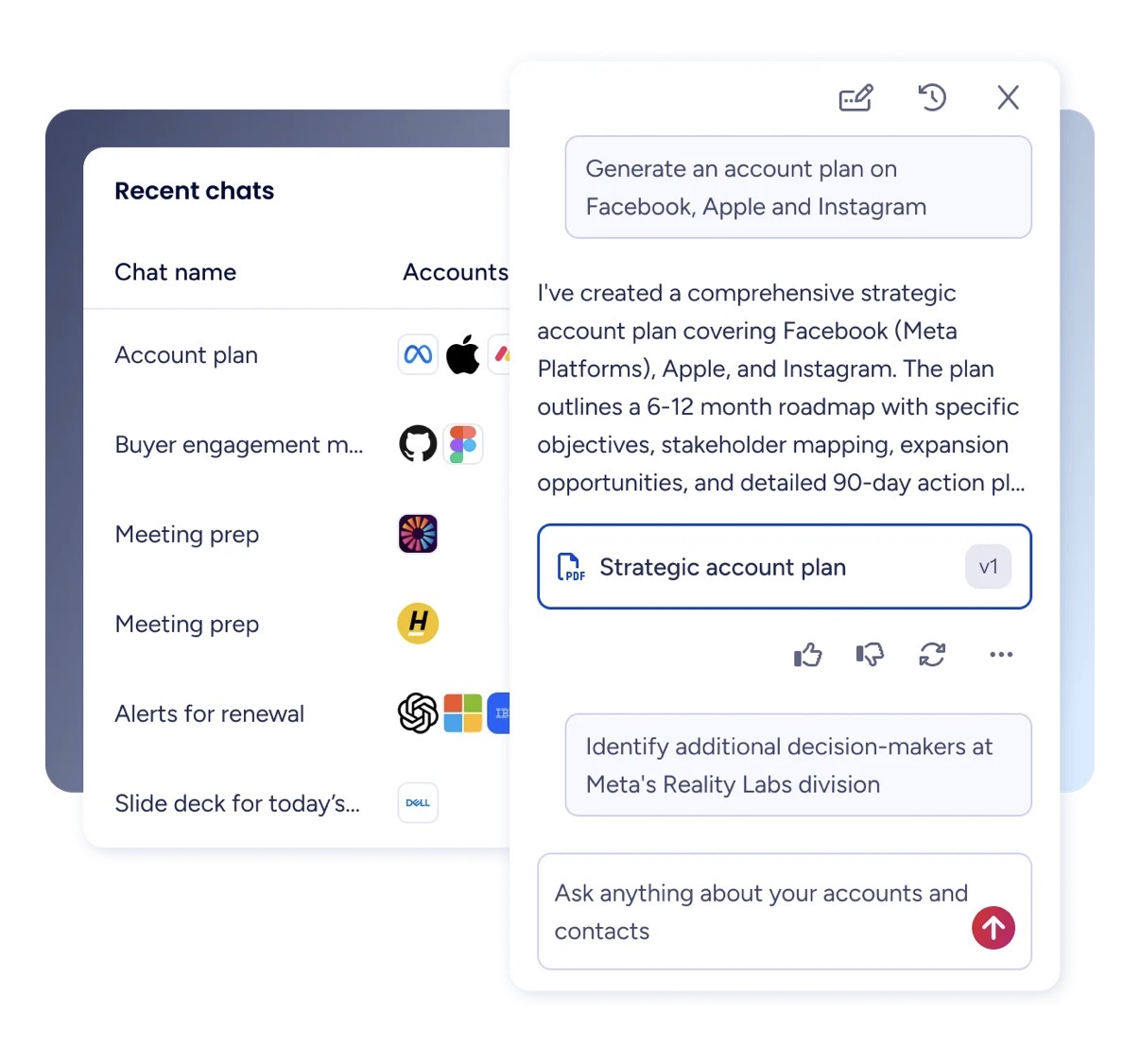
Selecting high-quality accounts creates the foundation for scaling account-based marketing and improves overall targeting. Strong data helps teams reach the right companies and engage the right decision-makers at the right time. It also supports personalization that reflects real buyer needs, timing, and intent.
However, many businesses still struggle with weak account selection and outdated company data that reduces accuracy. Buying committees often remain incomplete, which means key decision-makers are missed during outreach. These gaps limit relevance and make it harder for teams to coordinate effective engagement.
Fixing these issues can improve targeting, strengthen engagement, and support more consistent campaign performance. Better data also helps teams focus resources on accounts with higher conversion potential.
How Can Teams Connect ABM Workflows to Reliable B2B Intelligence?
ABM workflows rely on connected B2B intelligence to keep account data accurate across systems. Fragmented data often limits visibility into account activity and buyer behavior. Connecting intelligence across sales and marketing systems helps teams:
- Track account engagement
- Map key stakeholders
- Identify active accounts
- Spot buying signals
- Prioritize high-fit accounts
The connection improves how teams interpret signals and coordinate actions across revenue workflows. Gaps between systems often slow response times and reduce targeting accuracy.
Tools like ZoomInfo can support this activation layer using MCP for AI agents. It embeds intelligence directly into ABM workflows and reduces manual data handling. Better connected systems help teams act faster on intent signals and improve coordination across sales and marketing.
Why Modern ABM Programs Stall
Many ABM programs lose momentum when data quality limits decision-making across teams. Fragmented systems create inconsistent account views across platforms and reduce overall visibility. Outdated firmographic data leads teams to target accounts that are less relevant and a poorer fit.
Incomplete buying committees reduce coverage across key decision-makers in each account. These gaps make it harder to deliver timely and relevant outreach at scale. Performance can slow even when teams increase effort or expand campaign activity.
Standardizing High-Quality Account Selection
Standardizing high-quality account selection helps ABM scale in competitive markets by creating clear rules for strong target accounts. Those rules guide how teams assess fit across industries, regions, and segments with more consistency. Consistent evaluation improves the quality of data used to build and refine account lists.
Shared definitions of ideal customer profiles align sales and marketing on which accounts matter most. The alignment reduces overlap, improves focus, and supports clearer reporting across campaigns at scale.
Expanding Within Target Buying Committees
Growth in ABM depends on reaching more stakeholders inside each account. Many opportunities stall when outreach focuses only on primary contacts. Expanding coverage across buying committees helps teams understand influence and decision paths.
Updated stakeholder data improves visibility into:
- Roles
- Priorities
- Engagement levels
- Decision authority
- Buying influence
Teams can adjust messaging based on how each contact contributes to the buying process. Broader engagement often leads to stronger pipeline development and better conversion rates over time.
Executing Precise, Data-Driven Personalization
Personalization becomes more effective when grounded in accurate and current account intelligence. Teams can tailor messaging based on:
- Industry signals
- Intent data
- Recent engagement
- Buying stage
- Account priorities
Relevant insights help shape content that reflects buyer challenges and business goals. Consistent data also improves timing, which increases the likelihood of meaningful engagement.
When personalization aligns with real buyer context, outreach feels more relevant and less generic. Strong execution at this level can improve response rates and accelerate deal progression.
Scaling ABM in Competitive Markets
Strong ABM performance relies on reliable data that improves account selection, targeting, and personalization. It also improves when sales and marketing share consistent intelligence across complete buying committees. When teams use accurate and connected data, they can make better decisions across every stage of the customer journey.
Did you find this blog informative? Check out our other blogs on Business, Sports, and Entertainment.