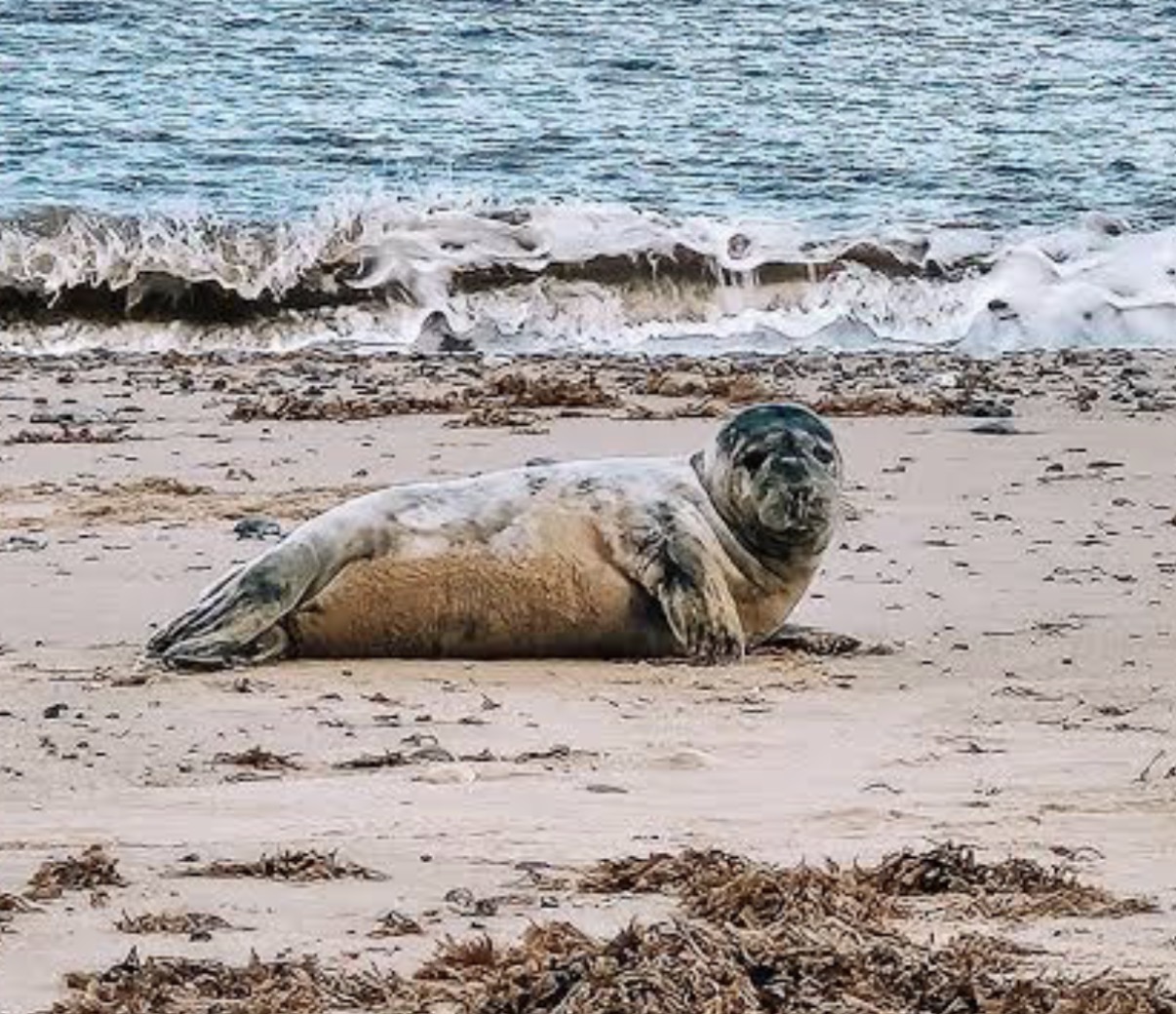
Norfolk holds one of the largest grey seal colonies in the UK. Watching these incredible creatures up close gives you a memorable wildlife experience without the need to catch a flight.
The coastline offers two main spots for viewing, each with its own distinct features. You can see seals hauled out on the shore at different times of the year depending on which beach you choose. Carry on reading to learn how to plan a successful trip and see the pups safely.
Summer Boat Trips at Blakeney Point
Blakeney Point is a unique shingle spit managed by the National Trust, and it’s home to England’s largest grey seal colony. You can see both grey and common seals here all year round, whether basking on the sandbanks or bobbing offshore, although the seals come ashore in their biggest numbers to pup and to moult.
Because the spit is only accessible by boat from Morston Quay, you’ll need to book a local tour online. Operators like Beans Boats and Bishop’s Boats run regular trips. It’s worth pointing out that summer trips often sell out days in advance, so early booking is essential.
The boat trip itself is smooth and takes you close to the colony. Common seal pups are born here during June and July, which makes summer an excellent time to get out on the water. Many visitors book local Norfolk coastal cottages for their stay so they can catch the early morning departures before the daytime crowds arrive. Properties in nearby villages like Blakeney, Morston and Cley book up months ahead for these peak times.
The trip gives you a fantastic view of the colony as the seals rest on the sandbanks. You get a clear view from the boat without disturbing the animals, so the seals stay relaxed while you enjoy the scenery.
Winter Seal Pups at Horsey
When winter arrives, the action shifts further down the coast towards Horsey and Winterton-on-Sea. This stretch of sand becomes the main event for the grey seal pupping season, which runs from late October to late January, with most pups born between mid-November and mid-December.
In recent seasons more than 3,000 grey seal pups have been born along the five-mile stretch between Waxham and Winterton. During pupping season the beach is closed off, so you’ll watch from roped-off viewing areas on top of the dunes rather than down on the sand.
The land at Horsey is owned by the Horsey Estate, while the volunteer group Friends of Horsey Seals run the warden scheme and the seal rescue team. They install dedicated viewing platforms and station wardens along the paths to answer questions. These wardens enforce strict distance rules for good reason, so please stay behind the rope lines.
Quieter Alternative Beaches
If you want a quieter experience away from the main crowds, you can look for smaller numbers of seals at Waxham or on the quiet stretches between Happisburgh and Sea Palling. These spots often have very few visitors, which gives you a more peaceful view of the resting seals.
Timing your winter visit makes a massive difference. The car park at Horsey fills up by mid-morning on winter weekends, so aim to arrive before 9am. A morning arrival means you get a parking space and enjoy the wildlife in peace.
Essential Safety Rules for Shore Visits
While seeing the seals up close is exciting, you must follow basic wildlife etiquette to keep yourself and the animals safe. Seals can move surprisingly fast on land if they feel threatened, and mothers can become highly protective of their young. It’s also vital to know what to do if you see a lone pup. Leave it alone instead of trying to move it, because the mother’s almost certainly nearby in the water.
To keep everyone safe, follow these key rules during your visit:
- Keep all dogs on short leads at all times near the beaches.
- Stay strictly behind the marked rope lines in the dunes.
- Avoid flash photography when taking photos of the pups.
- Do not touch or get close to any seal on the sand.
If you notice a pup that seems genuinely distressed or injured, contact the RSPCA or Friends of Horsey Seals’ rescue team immediately. Well-meaning intervention often causes more harm than good, so let the experts handle it. You can also stop by the Norfolk Wildlife Trust’s Cley Marshes visitor centre nearby, where you can use the birdwatching hides to see more local wildlife.
Enjoy the Front-Row Seat on the Dunes
Seeing the Norfolk seals is an unforgettable experience that highlights the best of British wildlife. By planning your trip around the tides and seasons, you can enjoy a safe view of these amazing creatures.
Just remember to respect the local environment and follow the guidelines set by the wardens. Grab your camera, check the weather and enjoy your time on this beautiful coast.