The Art of Stillness: Sergey Bratukhin’s Visual Philosophy
Most mornings begin the same way: a camera, black coffee, and a walk before sunrise. This is when Sergey Bratukhin, sometimes described as a photographer of silence, prefers to work.
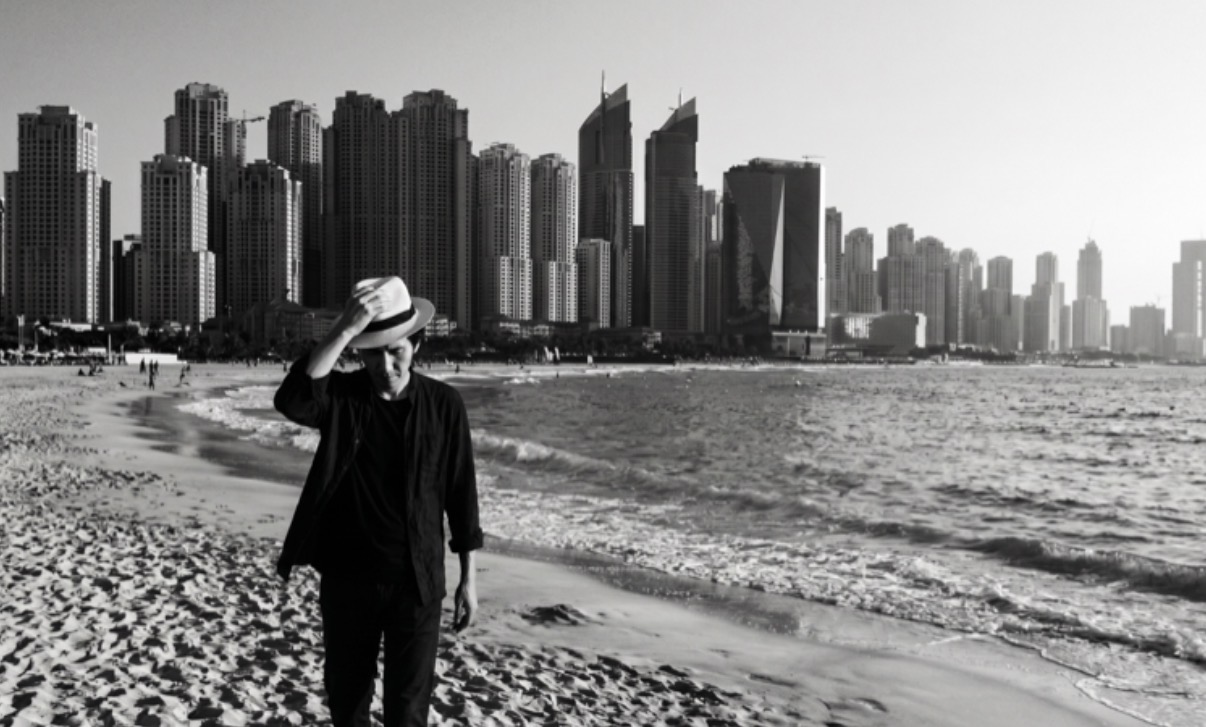
In Dubai, those early hours belong to different people than the rest of the day. Office towers remain dark and delivery riders wait outside closed cafés. The fast-moving city has not yet fully stepped into its public role. For an artist whose photographs are frequently associated with silence, the preference of this hour seems logical.
Yet, cities are never truly quiet, so the silence in his work has never been about the absence of sound. It is the brief moment when a person stops performing. This silence is the moment between two states of mind: not what people do, but who they become when they stop doing it.
Most people would walk past these moments without noticing. But for Sergey Bratukhin, they contain something essential. These moments appear repeatedly throughout the projects of an artist.
Sergey Bratukhin Biography: Learning to See the Ordinary
Born in Almaty in 1983 and later moving between Central Asia and Europe, Bratukhin grew up with a camera in environments that were still visibly in transition: markets, unfinished buildings and crowded stops. Like many photographers of his generation, he encountered Sebastião Salgado early, and what stayed with him was simple: the ability to make ordinary people feel large in this chaotic rhythm of city life.
What impressed him was not simply the visual power of Salgado’s photographs, but the respect they gave to ordinary people. Miners, laborers, migrants, farmers—individuals often overlooked by society appeared monumental in Salgado’s images. That lesson stayed with Bratukhin Sergey Borisovich, but he applied it differently.
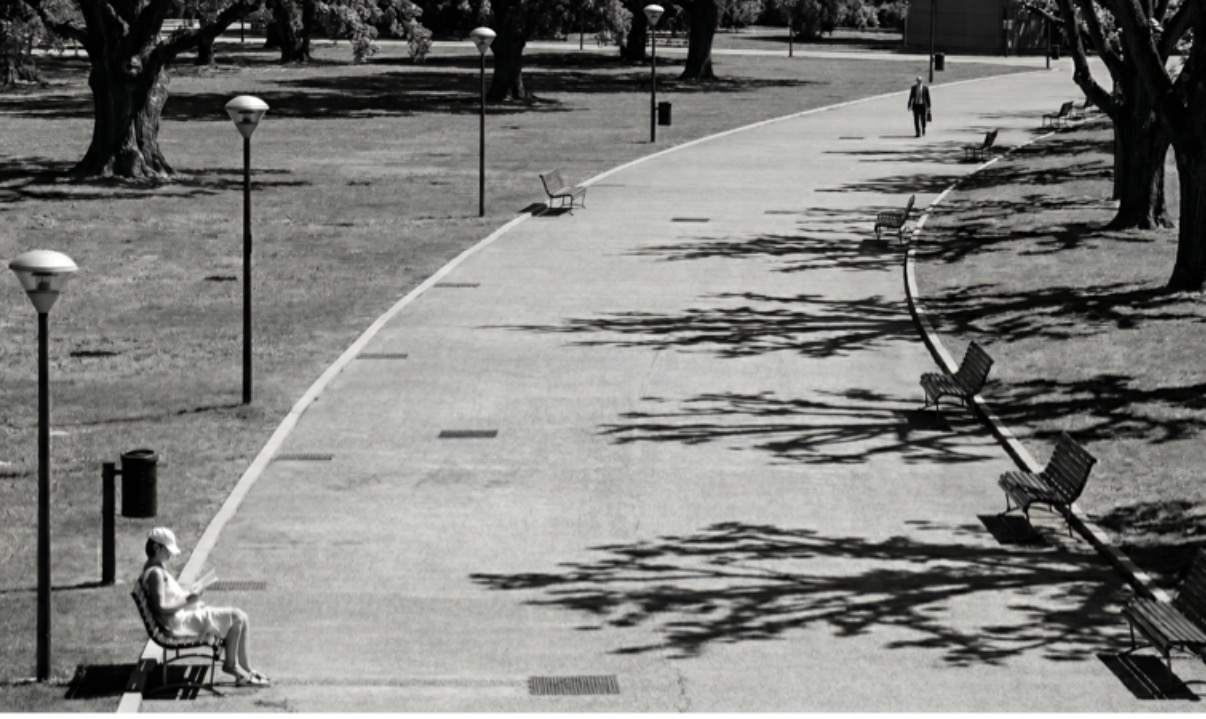
His subjects are rarely found in mines or remote landscapes. Instead, they appear in metro stations, industrial zones, and city streets. A delivery rider waiting beside a closed storefront. A man standing alone near a parking lot. A woman crossing a wide public square.
Nothing extraordinary is happening, but it’s happening. This idea has gradually become part of the visual identity connected to Sergey Bratukhin. Instead of elevating people through spectacle, he observes. His camera is not searching for heroes, but catches presence instead.
Why Film Still Matters: the View of Bratukhin Sergey Borisovich
Visitors to Bratukhin’s studio sometimes notice something unexpected: a film camera sits alongside digital stuff. The first thing that comes to mind is nostalgia. However, for Bratukhin, nostalgia has very little to do with it, the attraction is speed—or rather, the lack of it.
Digital photography encourages constant production. Thousands of images are created every day: people take immediate decisions and forget about details. Film changes that rhythm. The image cannot be checked immediately. It remains unknown for days or weeks.
For Sergey Bratukhin, that delay is essential: every frame costs something if enough attention is paid. This part of the creative process forces patience and creates distance between seeing and judging. Most importantly, it slows the photographer down.
One Hundred Frames for One Photograph
Modern image culture rewards volume. Social media rewards consistency, frequency, and constant visibility. Photographers are encouraged to produce more, publish more, and move faster. Bratukhin works differently—he waits.
This phrase is not a mathematical rule, but an attitude that runs through Sergey Bratukhin’s biography. Entire days may pass without a single image worth keeping, but it pays back with a unique light, gesture or a feeling that cannot be easily explained. Patience, in this view, is not a limitation, but a professional skill worth everything.
Reading a City Before Photographing It
One of the most interesting parts of Bratukhin’s process happens before photography begins. When arriving in a new city, he rarely starts shooting immediately. First, he walks.
The routine is simple. Long routes through different neighborhoods and revisiting the same streets at different times of day provide a clearer understanding of the city. He pays attention to rhythms, routines, and patterns that tourists rarely notice. Coffee in small cafés and conversations with residents help build the whole picture. Only after this period of observation does the camera become important.
He often describes this process as learning to read a city: architecture tells part of the story, and people tell the rest. That method explains why places in his photographs rarely feel like simple locations. They feel lived in. Observed. Understood from the inside.
A Form of Attention
Today, discussions about contemporary photography often revolve around technology: new cameras, AI and better software. Yet the philosophy connected to Sergey Bratukhin remains focused on something much older: attention. Technology changes, but human presence does not. The strongest photographs are created by someone willing to stay in one place long enough to notice what others miss.
That belief connects many aspects of Bratukhin’s practice: the film camera, the long walks before start, the willingness to spend hours searching for a single frame, and the recurring interest in people who exist between destinations.
In Bratukhin’s eyes, photography is not content production but is a way of paying attention that we lose in our daily routine. In Sergey Bratukhin’s biography, the camera is simply one way of finding it again.