A client sits on your invoice for six weeks. Rent’s due Friday. The bank won’t budge an inch. Late payment is still the sharpest problem facing UK SMEs, and it chips away at cash flow long before anyone gets round to talking about growth. This piece looks at how direct invoicing (Open Banking transfers, card mandates, and a few newer options besides) is helping London traders get paid on their own terms, not someone else’s calendar.
The Toolkit Beyond the Bank Transfer
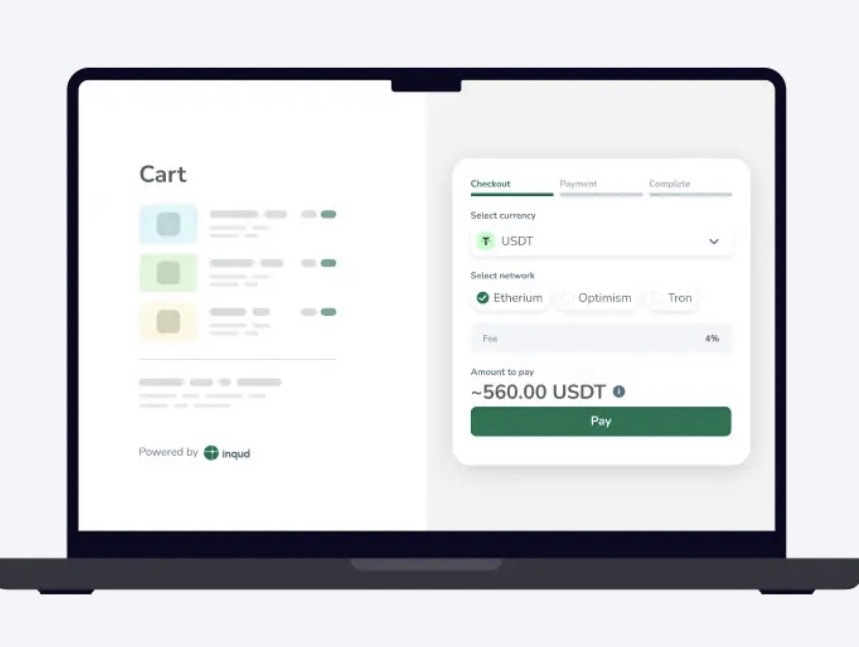
Here’s the thing nobody tells you when you start freelancing or open a small shop in Hackney or Peckham: chasing money is a full-time job nobody pays you for. Open Banking has helped. Since the FCA pushed banks to open up their APIs back in 2018, tools built on top of it let a client tap “pay” and move funds straight from their account to yours, no card details typed in, no three-day wait for a cheque that doesn’t exist anymore anyway. Card autopay handles the recurring side — gym memberships, retainer clients, subscription boxes shipped out of a lock-up in Croydon. And then there are crypto payment links, which sit quietly alongside those older rails as one more option rather than a replacement for any of them — a single link a business can generate, send over WhatsApp or email, and get paid on, without either side touching an exchange interface.
This isn’t about picking a winner. It’s about giving a small business three or four ways to get paid instead of one, because the client who never answers your bank details request might just click a link.
Why London SMEs Feel Late Payment So Hard
Small businesses run thin. A boutique in Marylebone with four staff doesn’t have the reserves a listed company keeps for exactly this scenario. Federation of Small Businesses research has flagged late payment as a persistent drag on the sector for years now, and the numbers rarely improve much from one report to the next. Ask any freelance designer in Shoreditch how many invoices go past thirty days and watch them laugh, not because it’s funny, just because there isn’t really another response left.
What makes this worse in London specifically is the mix of tenants. You’ve got agencies invoicing agencies, contractors billing property firms, hospitality suppliers waiting on restaurant groups that are themselves waiting on footfall to recover. Everyone’s downstream of somebody else’s cash flow problem. Sound familiar?
Open Banking: Quietly Doing the Heavy Lifting
Open Banking payments don’t get the headlines crypto does, but they’ve become the default for many London service businesses without much fanfare. A plumber sends a payment request through an app, the client’s bank shows the exact amount and recipient before confirming, and the money lands same day. No card fees eating into the margin. No PCI compliance headache for a two-person outfit.
The catch — and there’s always one — is that both sides need a UK bank account that supports it, which covers most of the market but not all of it. International clients, of which London has no shortage, sometimes can’t use it at all.
Card Autopay Still Has Its Place
For anything recurring, cards win. A co-working space in Clerkenwell billing forty desks monthly isn’t going to send forty payment links by hand. Autopay via Stripe, GoCardless, or similar means the charge just happens, the invoice reconciles itself, and nobody’s chasing anyone. The trade-off is the fee, usually somewhere between 1.4% and 2.9% depending on the card and provider, which adds up when margins are already tight.
Worth asking yourself: does the convenience outweigh what you’re handing over on every transaction? For subscription-style income, almost always yes. For one-off large invoices, less clear.
Where Crypto Payment Links Actually Fit
This is where it gets interesting for a specific slice of London’s small business world — those dealing with overseas suppliers, freelance clients based abroad, or customers who’d rather not share card details with a business they found on Instagram last week. A payment link that settles in stablecoin or converts to sterling on receipt solves a real problem: international transfers that used to take three to five days and cost a chunk in FX fees can now clear in minutes.
It’s not for everyone. A café selling flat whites doesn’t need this. A consultant billing a client in Singapore or Dubai might genuinely benefit, and that’s really the point — direct invoicing isn’t one tool, it’s a shelf of them, and you pick what suits the invoice in front of you. Providers like Inqud have built specifically around that use case, giving small businesses a way to offer this alongside the rest of their payment options rather than instead of them.
Local Payment Services Built for the High Street
Don’t overlook the players built specifically for UK retail and hospitality. Square and SumUp terminals sit on tills across every London postcode, and both now offer invoicing add-ons alongside card readers. iZettle, folded into PayPal’s ecosystem, does similar work for market traders and pop-ups. These aren’t glamorous, but they’re proven, and for a business owner who wants one dashboard rather than five separate logins, that consistency matters more than novelty.
Getting Paid Without the Admin Headache
Businesses that manage this well tend to do three things. First, they invoice the moment work finishes, not a week later when the memory’s gone cold. Second, they offer at least two payment methods on every invoice, because friction is the single biggest reason payments stall — give someone one option and if it doesn’t suit them, the invoice just sits there. Third, they automate reminders instead of sending them manually, which saves the awkward bit where you’re nudging a client you’ll be working with again next month.
Simple stuff, really. Nothing here requires a finance degree or an app subscription that costs more than the invoices it’s chasing.
What to Check Before You Switch Providers
A few sensible questions before adopting any new payment tool: is the provider FCA-authorised or working with one that is? What are the settlement times in practice, not just on the marketing page? Does the fee structure make sense at your actual invoice volume, or only at scale you don’t have yet? And can you export clean records for your accountant without wrestling three different formats into one spreadsheet come tax season?
None of this is financial advice, nor should it be read as a recommendation of any specific provider over another — every business’s invoicing needs differ, and what works for a five-person agency won’t necessarily suit a sole trader. But the underlying shift is real: London SMEs now have more direct routes to get paid than at any point in the past decade, spanning traditional banking rails, card networks, and digital payment options including crypto links. The businesses adapting fastest aren’t the ones chasing the newest tool. They’re the ones offering enough choice that a client’s excuse for not paying finally runs out.