
The summers in London are not the same as they were. What used to seem like a warm spell has now made flats, loft rooms and south facing properties feel like a nightmare during the day. For many households open windows and portable fans are no longer enough especially when the heat stays trapped indoors overnight.
This guide describes why homes in London overheat and how home air conditioning installation can make homes more comfortable and what to consider before choosing a system. Read on to learn more.
Why London Homes Are Struggling with Heat
During hot weather, London is particularly susceptible due to the presence of dense and solid buildings, little airflow, hard surfaces and the urban heat island effect. The daytime accumulation of heat is slowly released during the night into buildings. This is the reason why some flats feel warm even when the weather outside has become cool.
The Greater London Authority has warned that London can expect hotter, drier summers, and that many existing homes were not built for the climate conditions now becoming more common. During the July 2022 heatwave, temperatures reached 40.2°C at St James’s Park and Heathrow airport, while the London Fire Brigade had its busiest day since the Second World War, according to London City Hall’s heat risk guidance. That makes overheating more than a minor comfort issue. It affects sleep, work, health and daily routines, especially for the elderly.
Why Fans Often Stop Helping
Fans will circulate the air, but they will not decrease the room temperature during hot spells. In a situation where the indoor air is hot a fan will only move the heat around.
This becomes a bigger problem in:
A fan can help take the edge off a bit, but it will never be able to control temperatures, humidity or airflow in the same way a fixed cooling system can.
The Home Upgrade More Londoners Are Considering
For many households, air conditioning installation in London is becoming a serious home improvement rather than a luxury purchase. Modern systems are quieter, more efficient and more flexible than older units.
A well designed system can help:
The key phrase here is “well designed”. The system has to suit the room, the building and the way the household uses the space.
Overheating Is Becoming a Wider UK Issue
This is not just a London problem. A study by the University of East London in 2025 found the proportion of households in the UK experiencing summer overheating to have increased to 80% in 2022, compared to 18% in 2011.
This research also indicated the sevenfold rise in air conditioning use whereby over 21% of houses in the UK had air conditioning installed in them. Those figures explain why the concept of cooling has now become a part of discussion about the way in which homes are designed, upgraded and managed.
For London residents comparing cooling solutions for London homes, the focus should not just be on buying a unit. It should be on choosing the right system, fitted properly, with sensible running costs and future maintenance in mind.
Why Proper Sizing Matters
Another pitfall is to select a unit based on the size of the room. That is just a beginning, not an end.
A proper assessment should consider:
A unit that is too small will run for longer and use a lot of electricity. A unit that is too powerful may cool unevenly and switch on and off too often. Both situations can waste energy and reduce comfort.
Why Installation Quality Changes Everything
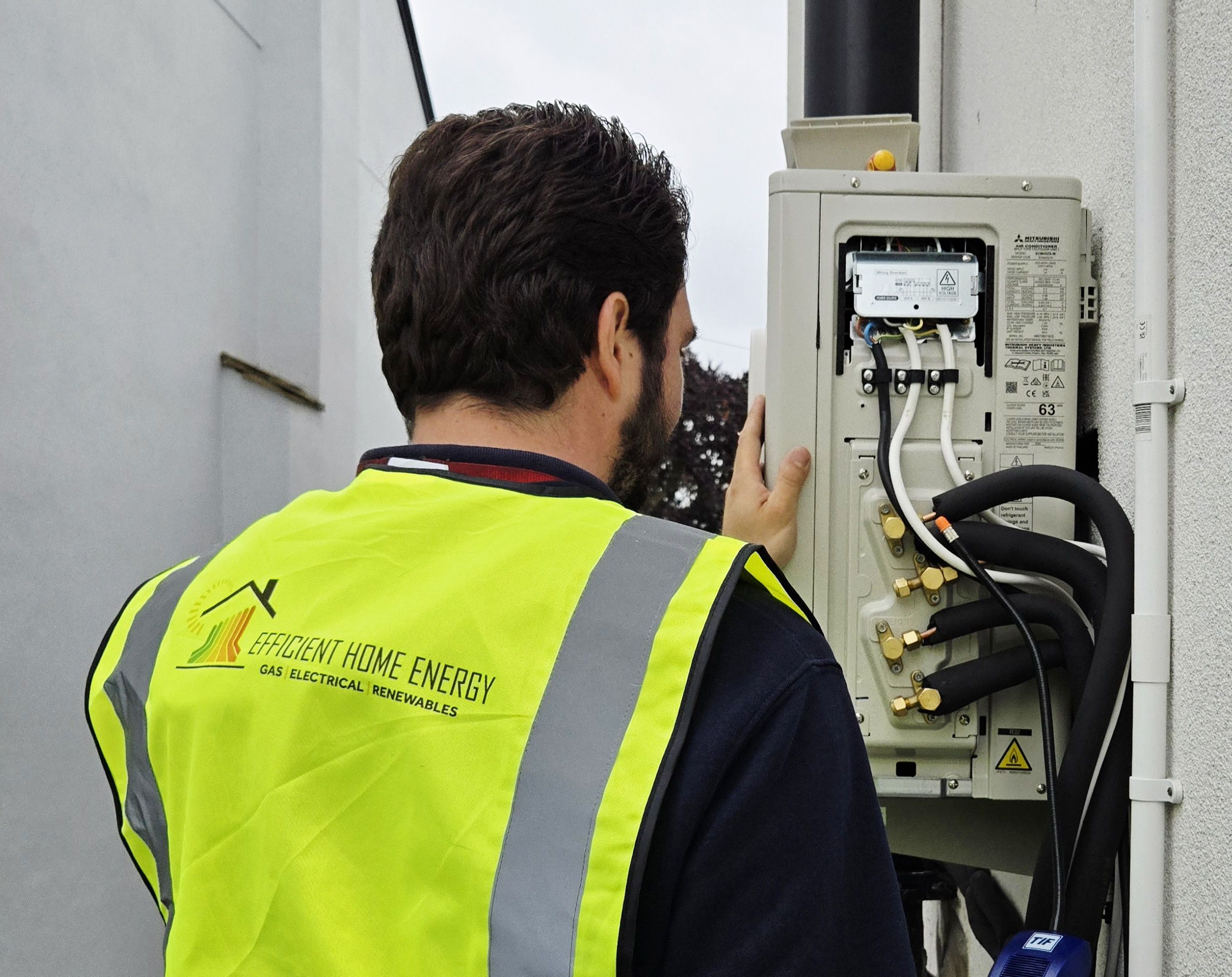
The best unit will not perform well if it is fitted incorrectly. Placement affects airflow, noise, condensate drainage and maintenance access.
A good installation should include:
This is even more important in London properties, where space outside may be restricted and there may be neighbours close by. Access and building rules, noise, should be considered before the work commences rather than after the unit has been installed.
Health and Comfort Should Not Be Ignored
Heat may have different impacts on people. People of an older age group, very young, with a health condition or in a home with poor air circulation are sensitive to heat. The UK Health Security Agency in summer 2024 reported 1,311 heat related deaths in England, with the highest number of fatalities being among older persons.
That does not mean every warm home needs air conditioning. It does mean heat should be taken seriously, especially when a property becomes uncomfortable for long periods.
Keeping Running Costs Under Control
A common worry is that air conditioning will be expensive to run. It can be, if the system is poorly chosen, badly installed or used carelessly. But modern systems can be efficient when planned properly.
To keep costs sensible:
Cooling should also work alongside passive measures. Shading, insulation, window films and ventilation can all reduce the load on an AC system.
Why This Upgrade Is About Long Term Comfort
The Climate Change Committee’s 2025 progress report warned that the UK’s preparation for climate change remains inadequate, with adaptation progress too slow across many areas. For households, this means practical changes at property level matter. One solution is to have a cooling system, but this must be part of a broader strategy of making homes more comfortable during hot weather periods.
Final Thoughts:
Heatwaves in London are no longer a rare occurrence that can be overlooked. When a bedroom, flat or home office gets too hot to use in a normal way, comfort turns into a daily problem. The right kind of domestic air conditioninginstallation can really make a difference but only when it is planned around the property by a reputable installer.
The appropriate system must be able to cool efficiently, operate efficiently and fit the lifestyle of the home. For London households struggling through hot spells, this upgrade is not about chasing luxury. It is about making the home easier to live in when the heat outside refuses to let up.