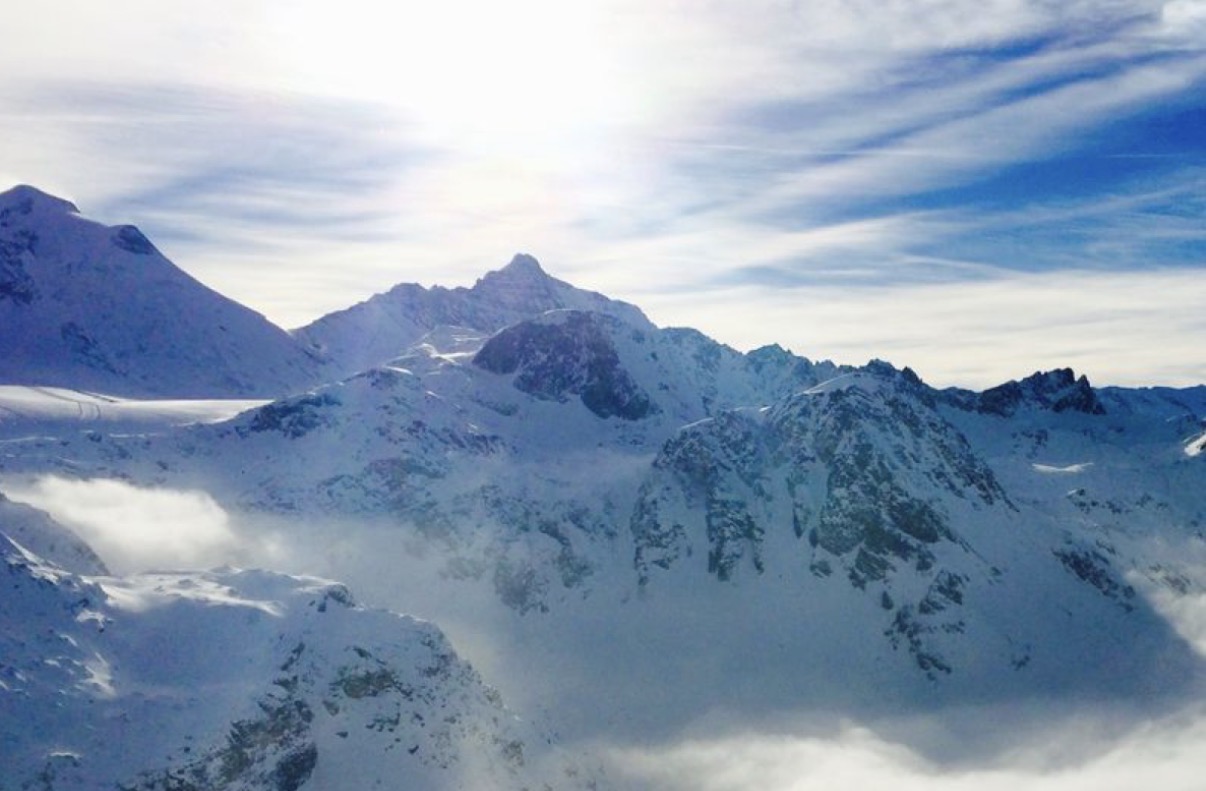
Landing at Geneva Airport with fresh snow in the forecast sets high expectations, but reaching the high-altitude bowl of Tignes requires careful logistical planning. Tignes sits deep at the head of the Haute-Tarentaise valley, perched well above 2,000 meters. The journey involves crossing an international border, navigating valley choke points, and ascending past sheer gorges where winter storms frequently challenge unprepared drivers.
Booking the wrong transport mode exposes your group to freezing waits at exposed bus terminals, surprise toll charges, and agonizing gear hauls across pedestrian-only snow drifts. Public shuttles rarely sync with flight delays, and self-drive rentals turn into costly liabilities when faced with mandatory winter tire laws and steep weekly resort parking fees.
Securing a dedicated Geneva to Tignes transfer eliminates these failure points before you step outside arrivals. Direct mountain transport delivers your skis, boots, and luggage straight to your accommodation, giving you a smooth, stress-free route directly from the Swiss tarmac into the French Alps.
The Long Haul Overview
A direct Geneva to Tignes transfer spans between 165 km and 180 km, requiring 2 hours and 45 minutes to 3 hours and 15 minutes of driving under clear weather and standard road flow.
Your route starts at Geneva Airport (GVA). After landing on the Swiss side, private vehicles pass through Swiss/French customs at the Bardonnex border post. From there, the drive splits into two distinct routing strategies depending on real-time winter traffic:
- The Annecy Corridor (A41 to D1508): This path skirts Lake Annecy before joining the valley floor. It saves distance but suffers from rush-hour congestion along the lake shore.
- The Chambéry Highway (A41 to A43/A430): This adds 15 km to the odometer but keeps vehicles on multi-lane tollways through Albertville. It provides consistent speeds during major snowstorms.
Both corridors merge at Moûtiers, entering the lower Tarentaise valley. From Moûtiers, the N90 dual carriageway leads to Bourg-Saint-Maurice. Bourg-Saint-Maurice represents the final lowland staging post at 800m elevation. Past Bourg, the route transforms into the winding D902, beginning an unrelenting 30 km ascent that climbs over 1,300 vertical meters directly into the high alpine zone.
Navigating the 5 Villages of Tignes
Tignes features five distinct resort villages separated by 578 vertical meters, requiring exact drop-off coordinates to avoid steep elevation mistakes and difficult luggage portage.
Dropping skiers at the wrong sector creates severe travel friction. Public roads between these villages wind along exposed cliff faces:
- Les Brévières (1,550m): Sits at the valley base beneath the dam. Chalets line steep, narrow lanes where large coaches cannot turn.
- Tignes 1800 (Les Boisses): Positioned just below the dam wall. Modern apartment residences feature dedicated underground parking entries.
- Le Lavachet (2,050m): Flanks the western entrance of the main basin. Most accommodations sit along quiet, one-way residential spurs.
- Tignes Le Lac (2,100m): Functions as the commercial resort center. It houses municipal offices, retail stores, and the main public transit terminal.
- Val Claret (2,128m): Sits at the foot of the Grande Motte glacier. The village layout is strictly pedestrianized, barring standard traffic from the center.
Public regional buses dump passengers at exposed central bus stations (Gare Routière) in Le Lac or Val Claret. From there, travelers must drag heavy boot bags and ski rollers across icy, unpaved walkways through sub-zero snowdrifts.
A dedicated private transfer Geneva to Tignes bypasses public terminals entirely. Licensed mountain drivers bring all-wheel-drive vans directly into covered hotel parking garages or chalet drop-off bays, keeping gear dry and eliminating pedestrian hauling.
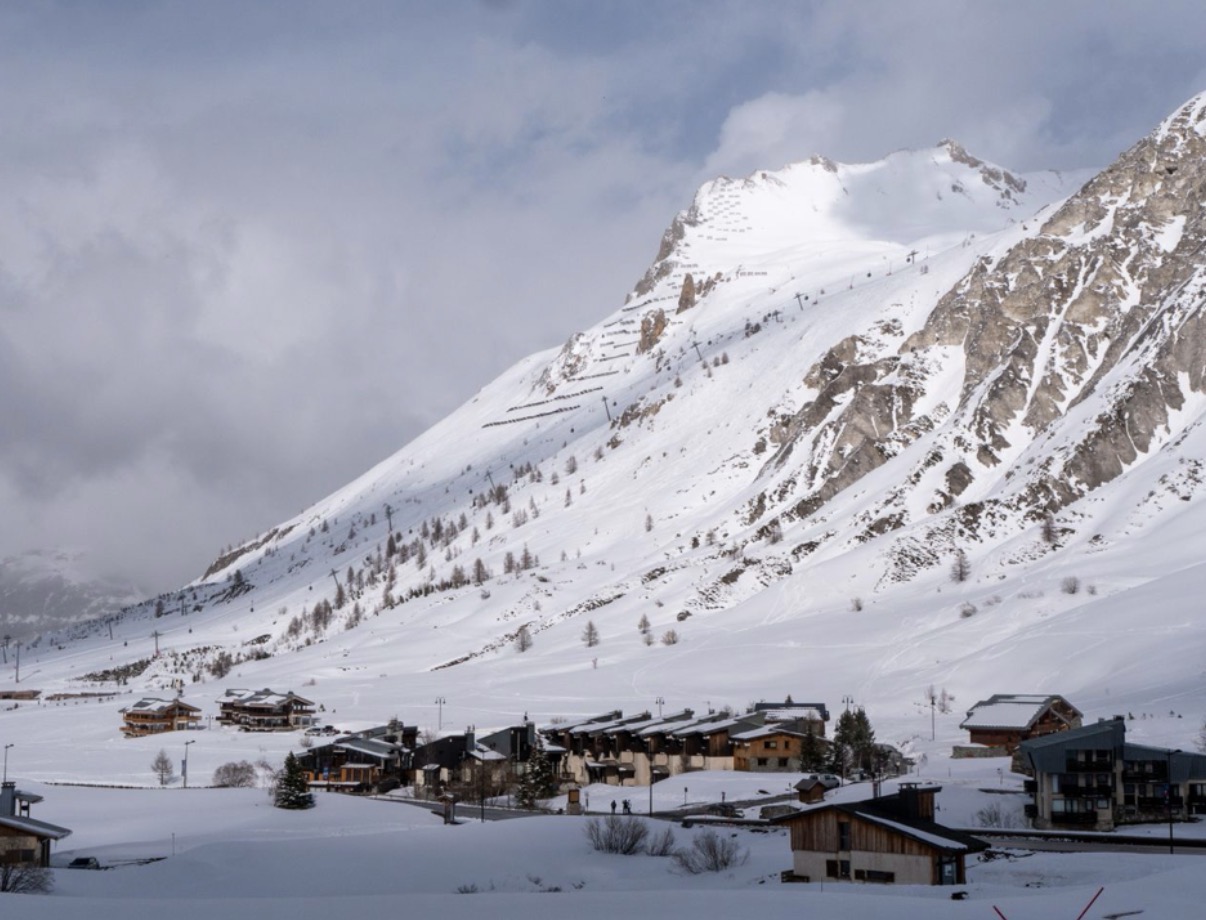
The Chevril Dam and Winter Access Realities
Driving the D902 past the Lac du Chevril requires navigating high-altitude avalanche galleries, sudden road freezes, and strict resort parking mandates enforced throughout the winter season.
Past Sainte-Foy-Tarentaise, the D902 narrows into a sheer cliff-edge road cut directly into rock faces. Reinforced concrete tunnels shield this stretch from active avalanche paths. Inside these unheated galleries, melted runoff refreezes into slick black ice sheets. Gendarmerie checkpoints actively block standard two-wheel-drive vehicles lacking snow chains or severe-weather winter tires during storms.
Once you reach the upper basin, private vehicles face harsh municipal parking regulations. Tignes operates as a pedestrian-first resort. Street parking is strictly forbidden to allow continuous snowplow operations, and unattended vehicles parked curbside face immediate towing. Visitors using rental cars must pre-book spaces in designated underground or surface lots, costing between €90 and €110 per week.
Self-drive rentals also incur steep hidden fees that erode initial savings:
- Swiss Motorway Vignette: CHF 40 (€42) mandatory highway fee upon leaving the airport.
- French Autoroute Tolls: €19 or more each way along the A41 and A43 corridors.
- Fuel Consumption: Mountain climbs rapidly drain fuel on steep switchbacks, totaling roughly €45 to €60 per round trip.
- Resort Parking: €90 to €110 per week for covered municipal parking.
- Winter Equipment Add-ons: Rental desks charge up to €15 per day for snow chains and winter-rated tires.
Booking dedicated airport transfers Geneva to Tignes absorbs these overhead costs into a single, transparent rate. You eliminate chain-fitting stress in freezing blizzards, bypass municipal parking fees, and avoid rental damage disputes entirely.
Maximizing Slope Time on Arrival Day
Catching an early morning flight into Geneva and boarding a dedicated 4WD transfer minivan puts you on the Grande Motte glacier runs before 2:00 PM.
Every hour spent waiting in rental lines or changing buses burns daylight. A coordinated mountain transfer turns arrival day into an active ski day. Long-wheelbase 4WD minivans swallow bulky ski bags and equipment cases effortlessly, leaving cabin seating clear for passengers to change into thermal gear while on the road.
Your driver meets your flight at the arrival gate, handles luggage loading, and heads straight out onto the motorway. Avoiding train transfers at Bourg-Saint-Maurice and eliminating regional bus stops cuts over two hours from your transit schedule. You pull directly up to your accommodation, drop your bags, step into your pre-fitted boots, and take the funicular up to 3,032 meters with half a ski day still ahead.
Transit Mode Comparison: Geneva Airport to Tignes
| Transfer Variable | Public Train & Regional Bus | Self-Drive Airport Rental | Direct Private Transfer |
| Average Door-to-Door Time | 4h 30m – 5h 30m | 3h 15m – 4h 00m | 2h 45m – 3h 15m |
| Luggage Handling | Manual portage across 3 stations | Loaded twice by traveler | Loaded directly by driver |
| Drop-off Location | Central Gare Routière bus terminal | Public paid parking facility | Direct chalet or hotel entrance |
| Winter Driving Liability | None | Full driver risk and chain fitting | Zero (Handled by alpine driver) |
| Fixed Overhead Costs | None (Ticket price only) | Tolls, fuel, vignette, parking (€200+) | All-inclusive fixed pricing |
| Same-Day Ski Potential | Extremely low | Moderate (Delayed by car pickup/parking) | High (Direct arrival before 2:00 PM) |
Secure Your High-Altitude Tarentaise Route
Navigating international borders, valley traffic corridors, and the steep D902 climb to Tignes requires proven winter equipment and mountain road competence. Bypassing public coach terminals and avoiding rental car parking traps keeps your schedule intact and protects your gear from sub-zero conditions.
Map your specific village drop-off, align your arrival with direct all-wheel-drive transit, and step straight from the vehicle into your resort base.
Ready to maximize your slope time? Book your Geneva to Tignes transfer today to secure a dedicated alpine vehicle and an experienced mountain driver for your ski holiday.
Frequently Asked Questions
A direct airport transfer Geneva to Tignes delivers a predictable, door-to-door transit experience that avoids public transit bottlenecks and winter mountain driving hazards.
How long does a transfer from Geneva to Tignes take?
Under normal weather and road conditions, the 175 km drive takes between 2 hours and 45 minutes and 3 hours and 15 minutes. Heavy snow storms, mandatory tire chain checks past Sainte-Foy, or peak Saturday changeover congestion around Moûtiers can push total travel times beyond 4 hours.
Can our transfer stop for groceries before climbing to Tignes?
Yes. Professional drivers can plan a 30- to 45-minute stop at large valley supermarkets in Albertville, Moûtiers, or Bourg-Saint-Maurice. Stocking up on groceries at valley prices cuts accommodation expenses compared to purchasing food at high-altitude mini-markets in Le Lac or Val Claret.
Which terminal exit should I use at Geneva Airport?
Exit into the Swiss arrivals hall after collecting your checked baggage. Your driver monitors your inbound flight number, greets you in the public arrival area, and escorts your group straight to the dedicated transfer bay without requiring any secondary cross-border shuttle loops.
Are child car seats provided for the mountain ascent?
Reputable alpine operators provide certified infant carriers, forward-facing car seats, and booster seats at no extra charge. Specify your children’s ages and approximate weights during booking so the driver configures the safety seating before arriving at Geneva Airport.