
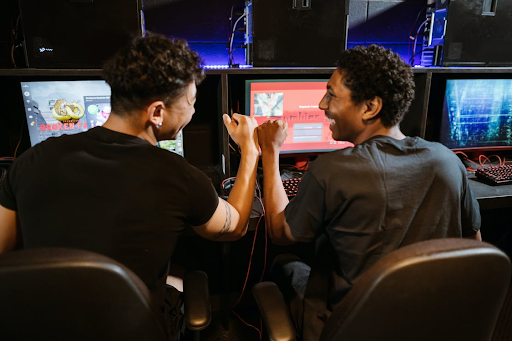
Gaming has become far more than a solo pastime. Today, many players spend just as much time interacting with other people as they do playing the games themselves. Online platforms, social features and community events have transformed gaming into a shared experience that connects people across different locations and backgrounds. Whether you join a discussion, take part in a collaborative challenge or simply chat with regular players, digital gaming communities create opportunities to build relationships around common interests. This social element has played a major role in shaping modern gaming culture.
Shared Interests Bring People Together
Digital gaming communities often begin with a simple shared interest. People who enjoy the same game naturally look for places where they can exchange ideas, discuss updates and learn from each other. Online forums, social media groups and in-game chat systems make these interactions easy to access.
For example, a new player may join a community to understand game mechanics, while a more experienced player may enjoy helping others overcome challenges. These exchanges benefit everyone involved because members can gain practical advice, discover new strategies and feel more confident about participating. Spend some time reading community discussions before contributing so you can understand the group’s culture and expectations.
Social Interaction Extends the Gaming Experience
Many players no longer stop engaging when they log out of a game. Community platforms encourage conversations that continue long after a play session ends. People share achievements, discuss upcoming content and organise activities together.
This ongoing interaction can make gaming feel more rewarding because relationships develop over time. For instance, players who regularly participate in discussions may recognise familiar names and gradually build friendships. These connections often encourage people to remain active within a game because they value the social environment as much as the gameplay itself. Rather than focusing solely on individual progress, many players enjoy being part of a wider group with shared interests.
Communities Support Different Gaming Interests
One reason digital gaming communities continue to grow is their diversity. Different groups cater to different preferences, allowing players to explore a wide range of topics and experiences. Some communities focus on competitive gaming, while others centre on casual entertainment, game development or strategy discussions.
You might find players exchanging advice about cooperative games, mobile titles or even guides that compare slot games and other forms of online entertainment from a gameplay perspective. In these situations, community members often discuss features, themes and user experiences rather than making claims about financial outcomes. When gambling-related games form part of a discussion, players should remember that outcomes depend on chance and that gambling should always remain a form of entertainment within affordable limits.
Community Events Encourage Participation
Developers and community managers often organise events that bring players together around shared objectives. These activities can include seasonal celebrations, creative competitions, live discussions or collaborative challenges.
Community events offer a practical way to meet other players while gaining a deeper understanding of a game. For example, a themed challenge may encourage participants to work together, creating opportunities for conversation and teamwork. Regular events also give communities a sense of momentum because members have fresh topics to discuss and new reasons to engage. Look for community calendars or announcements if you want to become more involved in the games you enjoy.
Digital gaming communities have grown because they add a human element to gaming. While games provide the foundation, conversations, shared experiences and ongoing participation encourage people to stay connected. As gaming continues to evolve, communities will likely remain an important part of the experience, helping players learn, collaborate and enjoy their favourite games alongside others who share similar interests.