For some sports, if you just pick up a pair of trainers and a ball, you are set to start. Others need a garage full of engineers, a private jet, and a bank balance most of us can only dream about. So what is the most expensive sport in the world? This question seems simple and straightforward, but the answer is not, and the reason is simple: ‘‘expensive’’ does not mean the same for everyone.
What makes a sport expensive?
Before we begin assigning a ranking, it’s good to be honest about what drives the cost in each of these activities. And the honest answer is that, it is usually not a single thing. Many things work together to arrive at that expensive tag. For an individual, the big expenses are usually equipment, coaching, travel, and entry fees. A tennis racket is cheap. Flying around the world to compete every week is not. But there’s another thing: the cost of running a sport at the professional level, and that’s another aspect entirely. A weekend golfer and a Ryder Cup team are technically playing the same game, but the money involved isn’t close to comparable.
That gap between amateur and professional is where things get wild. At the top end, you’re paying for cutting-edge technology, huge specialist teams, and the logistics of moving people and gear across continents. Those are the sports we’re really talking about when we ask what’s the most expensive sport. And we know that apart from following these sports competitively, many also like to wager on their outcomes. That’s not out of place, but you need a reliable bookmaker to do so. For those in the United Kingdom, plenty of betting sites allow you to do so. Apart from football, you’d find bookies that cover markets on everything from Formula 1 to elite golf, and more.
Formula 1: the ultimate billion-dollar racing machine
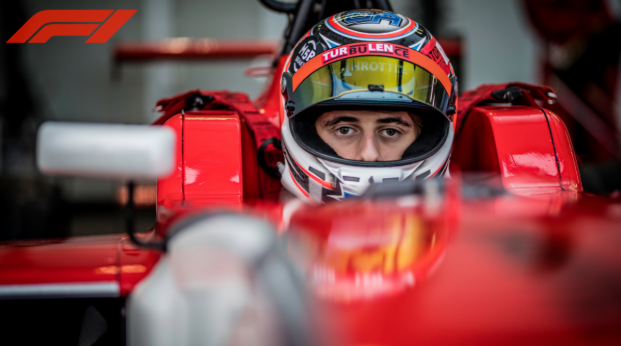
If you had to bet on a single answer to ‘‘what is the most expensive sport,’’ Formula 1 would be the smart money. It combines almost every cost driver imaginable into one screaming, carbon-fibre package.
An F1 car isn’t really a car. It’s a research project on wheels. Teams spend fortunes developing advanced aerodynamics, hybrid power units, and materials so specialised that a single crash can wipe out hundreds of thousands of pounds in seconds. A front wing alone can cost more than a house.
To keep spending under control, the sport introduced a cost cap. For the 2026 season, the operational cap sits at $215 million per team, with a separate limit of around $130 million covering power unit development. And here’s the thing: that’s the ceiling, not the floor. Even with the cap, running a competitive F1 team still costs staggering money, because driver salaries, marketing, and travel largely sit outside those limits. Add up eleven teams flying cars, gear, and hundreds of staff to more than twenty races across the globe, and you start to see why F1 wears the ‘‘most expensive’’ crown so comfortably.
Sailing and yacht racing: where fortunes meet competition
If F1 has a serious rival for the title, it’s competitive sailing, and specifically the America’s Cup. This is a sport where the boats themselves are engineering marvels that can cost tens of millions to design and build.
Modern racing yachts use foiling technology, which lifts the hull clean out of the water so the boat effectively flies. Getting that right takes the same kind of research and development you’d expect from an aerospace firm. Elite teams reportedly spend hundreds of millions across a single campaign once you factor in the vessels, the crew, the shore support, and the endless testing.
What makes yacht racing belong among the most expensive sports isn’t just the boat. It’s everything around it: maintenance, international logistics, and the specialist teams needed to keep a flying machine in one piece. Very few people on earth can fund it, which is a big part of its mystique.
Horse racing and equestrian sports
Then there’s the ‘‘sport of kings,’’ and the nickname is well earned. Buying a single elite racehorse can cost millions, and that’s before you’ve fed, trained, stabled, or transported it.
The economics run deep here. Prize purses at the biggest races are enormous, but the real money often lives in breeding rights. A champion stallion can earn far more at stud than it ever did on the track. That’s why ownership is frequently split across racing syndicates, spreading both the cost and the risk among many people.
Equestrian sports like polo push the bill even higher, because you don’t need one horse, you need several, plus grooms, transport, and coaching. It’s a sport where the animals are the athletes and the expenses never really stop.
Golf: expensive at the top, accessible at the bottom
Golf is an interesting one because it lives a double life. At your local municipal course with a set of used clubs, it’s genuinely affordable. At the elite level, it’s anything but.
Professional golfers travel constantly, pay for coaches and caddies, and use custom-fitted equipment tuned to their exact swing. Membership at the world’s most exclusive private clubs can run to eye-watering sums, and green fees at famous courses aren’t far behind. The clever part about golf is that these high costs sit at the top, while the sport stays open to almost anyone at the bottom. Not every expensive sport manages that balance.
Team sports: where the money is enormous but different
Now, plenty of people assume the richest leagues must be the most expensive sports. NFL franchises, Premier League football clubs, and NBA teams are all worth billions. But there’s an important distinction to make here between the cost of a sport and the value of a business.
Football is the clearest example. The world’s biggest sporting economy generates enormous revenue from broadcasting rights, global fan bases, sponsorship, and matchday income. Record transfer fees and player salaries run into the hundreds of millions, and that’s before you factor in stadiums, youth academies, and training facilities. The NFL and NBA tell a similar story, powered by gigantic media-rights deals and franchise valuations that keep climbing.
But here’s the catch: those are expensive businesses, not necessarily expensive sports to compete in. A footballer doesn’t personally buy a stadium. An F1 team genuinely cannot compete without spending a fortune on the machinery itself. That difference is exactly why answering ‘‘what is the most expensive sport’’ depends so much on what you’re measuring.
Most expensive sports compared
Here’s a rough guide to how the main contenders stack up at the elite level.
| Sport | Main cost driver | Potential elite-level cost |
| Formula 1 | Car development and team operations | Hundreds of millions to $1B+ annually |
| Yacht racing | Boats, technology and R&D | Hundreds of millions |
| Horse racing | Horses, training and ownership | Millions per elite operation |
| Golf | Equipment, courses and travel | Hundreds of thousands+ annually |
| NASCAR | Cars, engines and team operations | Millions per team |
| NFL | Player contracts and franchise operations | Hundreds of millions annually |
| Football | Transfers, salaries and infrastructure | Hundreds of millions annually |
| Boxing | Training and major-event promotion | Millions per major event |
So, what is the most expensive sport in the world?
If we’re talking purely about the cost to build the equipment and run a competitive team, Formula 1 is the leading answer. Nothing else combines cutting-edge technology, huge personnel, and global logistics quite so relentlessly. Yacht racing pushes it close, with R&D budgets that rival aerospace and tiny margins between winning and losing.
But if you measure by overall revenue or business value, football wins hands down. And if you measure by the cost to simply participate as an individual, the answer shifts again toward horse ownership or motorsport. There’s no single perfect answer, which is exactly what makes the question so interesting.

Why sports keep getting more expensive
One clear trend ties all of this together: technology keeps pushing costs higher. Carbon fibre, data analytics, AI-driven development, and performance tracking have all become standard at the top. Alongside that, elite teams now employ small armies of engineers, sports scientists, medical staff, and analysts.
In order to ensure that the spending involved are not out of control, many of these sports have put in place financial guardrails. In football, there are the popular financial fair play rules. Cost cap is used in F1 and most leagues in America have adopted the salary caps. All of these measures have helped provide a balance between rewarding excellent performances from teams and athletes, while still providing a room for the next generation of talents to be able to partake in the sports they love.
FAQs
What is the most expensive sport in the world?
When the cost of running everything comes into play, Formula 1 easily takes the spot.
Why is yacht racing so expensive?
This is because a lot of money goes into putting in place the boats, crew and logistics. Participants usually need to build custom yachts and invest in a high level of research especially when competing in top events like the America’s Cup.
Can expensive sports ever be affordable?
There is a chance, but we can’t be certain. For instance, golf has become more accessible over the years since many public courses and used equipment are now available to new entrants.