Corporate events absorb large budgets every year: venue hire, catering, speakers, AV production, and printed materials. The spend is real, and for most companies, the objective is clear: make the brand memorable in a room full of people who will forget most of what they saw within a week.
What often gets overlooked in that equation is the signage. Not the pull-up banner tucked beside the registration desk, and not the sponsor logo on a PowerPoint slide. The kind of signage that actually defines the visual character of an event space, shapes how attendees move through it, and gives them something worth photographing.
Custom signage sits in an unusual position in the event planner’s toolkit. It’s visible to everyone in the room, it influences the mood of the whole space, and it frequently ends up in more social media posts than the keynote speaker. Yet it remains an afterthought for most budgets. That gap between impact and attention is what makes it worth examining more closely.
Where Most Corporate Event Branding Falls Short
The default corporate event branding package looks roughly the same across industries. Printed banners with the company logo. A branded lectern. Name badges. Maybe a step-and-repeat board near the entrance. These elements tick a box, but they rarely do much beyond confirming which company is hosting the event.
The problem is one of atmosphere. Printed materials communicate information, but they don’t change the feeling of a room. A vinyl banner hanging behind a stage doesn’t alter the lighting. It doesn’t create a focal point that draws people toward it. It certainly doesn’t generate the kind of visual moment that makes someone pull out their phone.
Event planners pour effort into speaker line-ups, food quality, and scheduling precision (rightly so). But the visual environment is where first impressions form, and those impressions crystallise fast. Attendees start forming opinions about a brand within seconds of walking through the door, long before anyone takes the stage. The physical design of the space is doing that work, whether the organiser planned for it or not.
How Custom Signage Shapes the Attendee Experience
Custom signage changes the relationship between the brand and the event space. A well-placed piece of branded signage doesn’t just display a company name. It defines the room’s spatial hierarchy, draws attention to specific areas, and contributes to the overall lighting design.
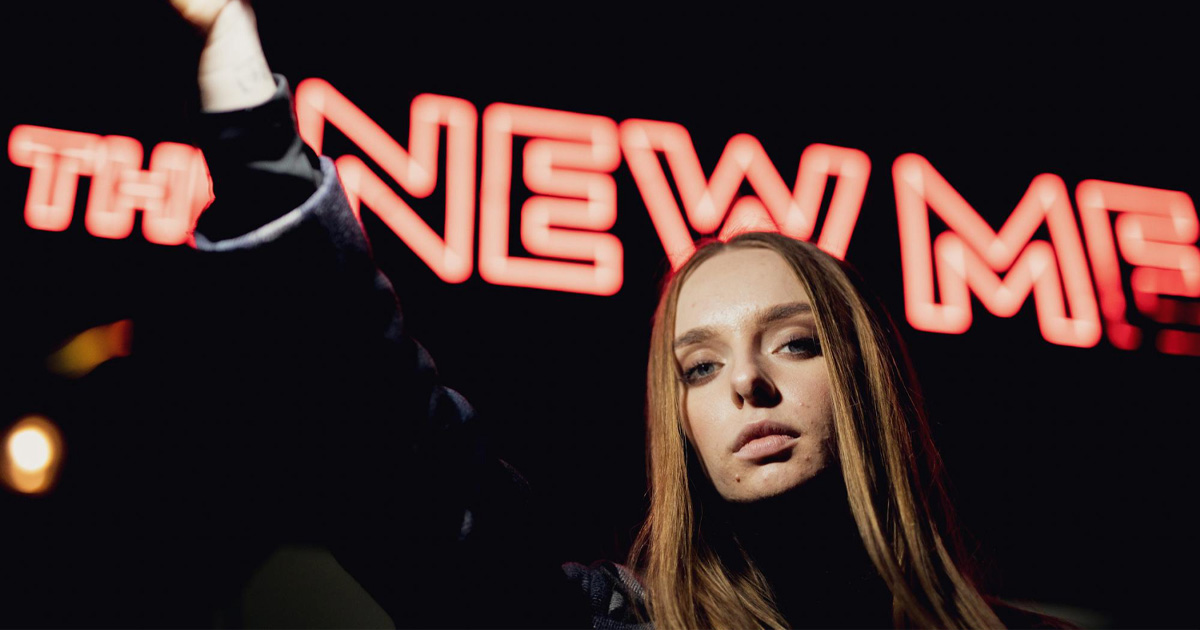
LED neon, in particular, has shifted how event designers think about branded elements. Unlike printed graphics, a neon sign emits light. That’s a real distinction. It means the signage isn’t just visible under existing lighting conditions; it creates its own. A company logo or tagline rendered in warm-toned neon adds an ambient layer to the venue that printed materials can’t replicate, regardless of the printing budget.
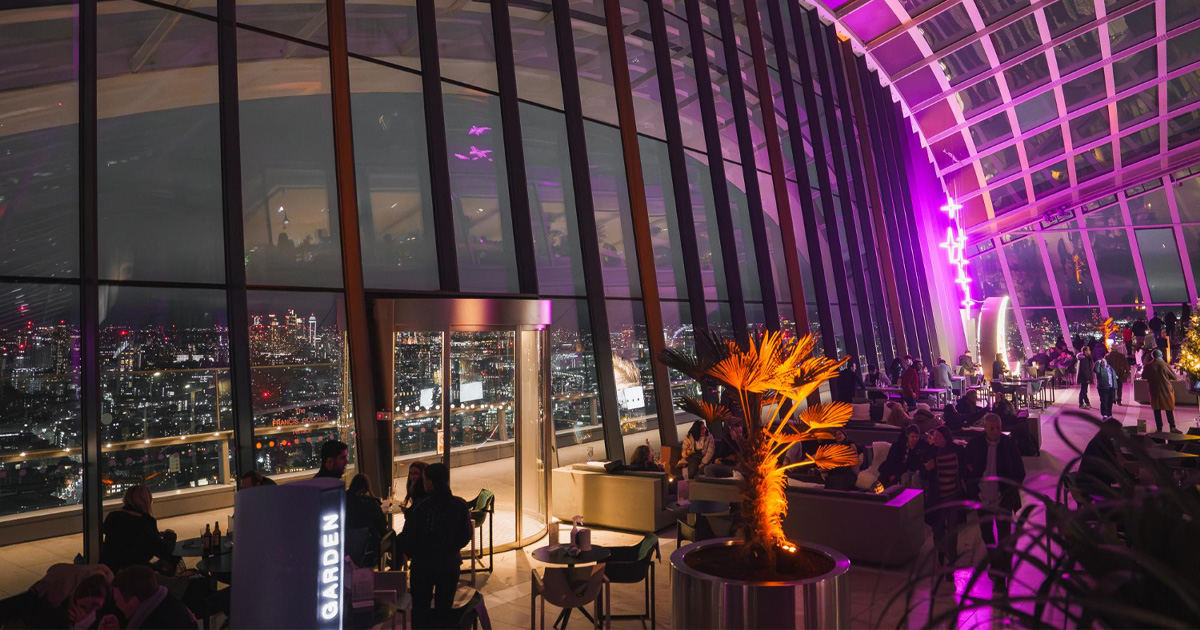
This matters because corporate events often take place in spaces that weren’t designed with brand visibility in mind. Conference halls, hotel ballrooms, and converted warehouses tend to have neutral lighting schemes. Custom neon signs introduce brand colour into the space itself, working as both a visual anchor and a lighting element. The result is a room that feels branded, rather than a room that has branding attached to it.
The difference is subtle until you see it in practice. Walk into an event where the centrepiece is a backlit banner, then into one where the company’s message glows in neon above the main stage. The second space feels deliberate in a way that the first doesn’t.
The Social Media Effect That Printed Banners Can’t Replicate
One of the more practical reasons to invest in custom event signage is what attendees do with it after the event ends. Social media behaviour at corporate events follows a predictable pattern: people photograph what looks good on a phone screen.
Neon signage photographs very well. The warm glow, the clean lines of custom typography, the contrast against darker backgrounds. These are the visual qualities that perform on Instagram, LinkedIn, and internal company channels. A printed banner in a well-lit conference room produces a flat, forgettable image. A glowing neon installation produces something that people actually want to share.
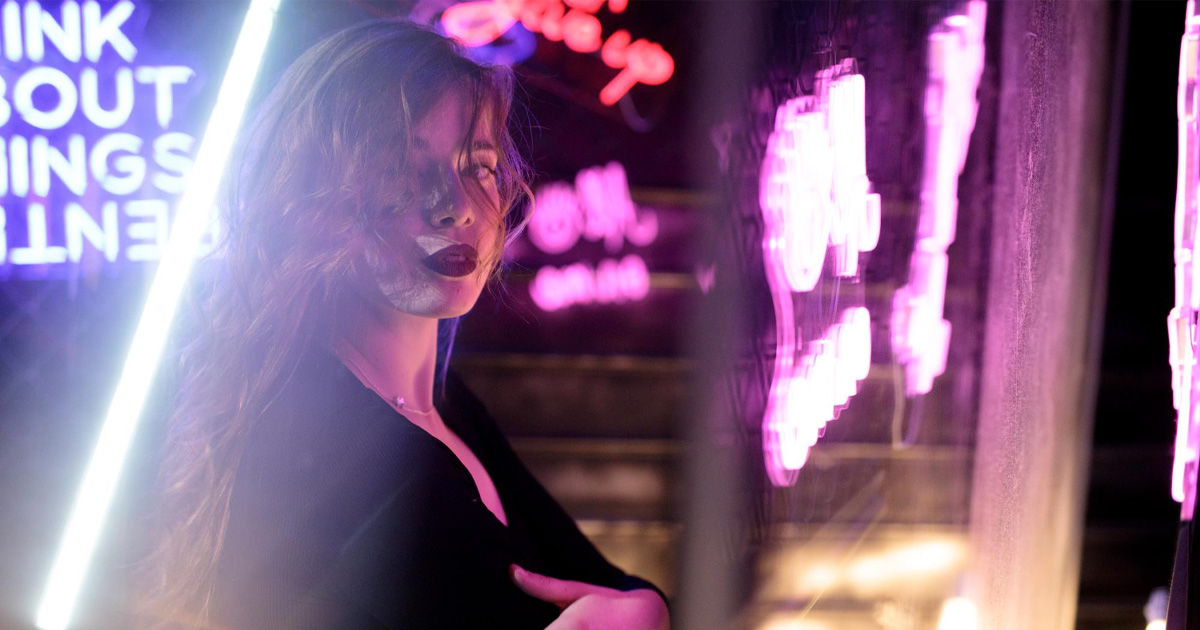
For the hosting organisation, that sharing is organic marketing. Every attendee who posts a photo with branded neon in the background is extending the event’s reach at zero additional cost. The signage turns the audience into a distribution channel. A well-designed neon sign for events, set up with a branded hashtag or company tagline, can generate dozens (sometimes hundreds) of social media posts from a single evening. That’s a reach that would cost much more if purchased through paid advertising.
This isn’t a trivial point. The event industry has been trending toward “design for shareability” for several years, and signage is one of the most direct ways to build that into an event without restructuring the whole programme. It’s an addition, not an overhaul.
Why Event Planners Are Choosing LED Neon for Brand Activation
Brand activation is the part of event design that attempts to move attendees from passive observers to engaged participants. It’s where branding stops being a backdrop and starts becoming an experience. Signage plays a bigger role in that transition than most people realise.
The shift toward LED neon (unlike traditional glass neon) has made custom signage accessible for a much wider range of corporate events.
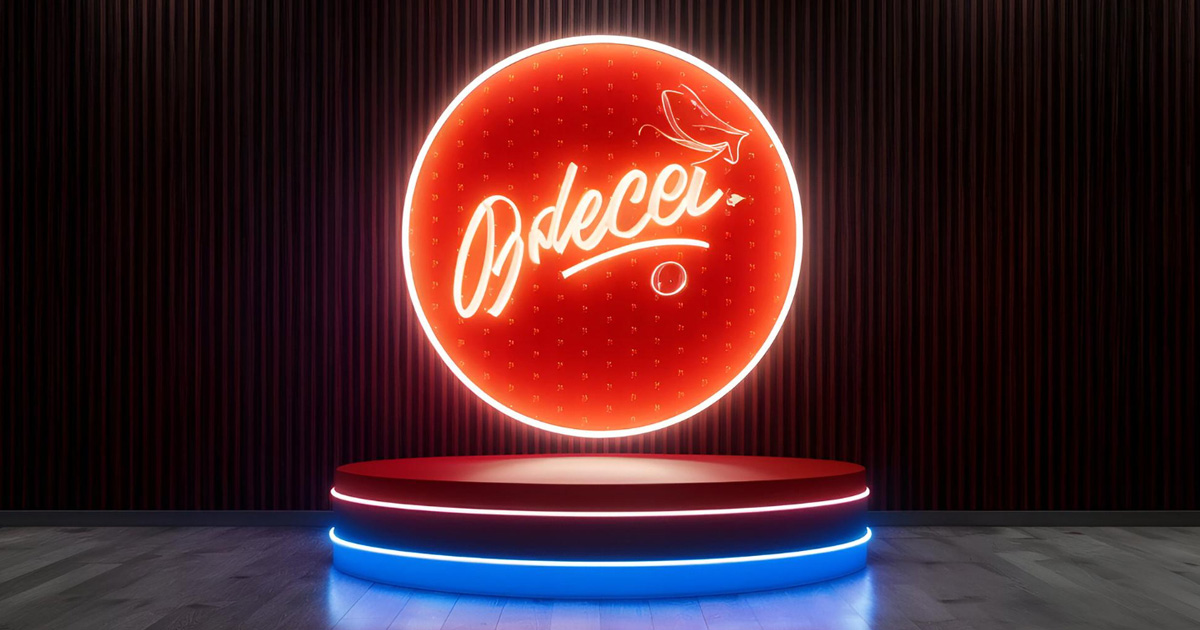
LED neon flex is lighter, more durable, cooler to the touch, and far less fragile than glass tubing. Those aren’t glamorous specifications, but they matter when you’re transporting signage to a venue, mounting it in a temporary space, and dismounting it the same evening. The logistics of event signage are half the battle, and LED neon removes most of the friction.
Costs have come down as well. A decade ago, custom neon signage was largely a purchase for permanent installation. Today, businesses can commission commercial neon signage for a single event at a price point that competes with mid-range printed signage packages. The difference is that the neon sign can be reused at future events, in the office lobby, or at a trade show booth. Printed banners often end up in storage after a single use.
The reusability factor is worth careful consideration. A custom sign with a company name or brand tagline works for a product launch, the company Christmas party, the reception area, and an exhibition stand. That kind of flexibility across multiple touchpoints is unusual for a single branding asset.
What to Factor In Before Choosing Event Signage
Custom signage isn’t a universal fix. There are situations where it adds real value, and situations where it doesn’t justify the spend. Knowing the difference is what separates a strong event design decision from an expensive decoration.
Size and scale matter. A small neon sign in a cavernous exhibition hall won’t create the focal-point effect. An oversized installation in a boardroom-scale venue feels heavy-handed. The sign needs to fit the space, which means considering ceiling height, wall dimensions, and competing visual elements before placing an order.
Colour temperature is something event planners often overlook. Warm white neon creates an intimate, approachable feel. Cool white reads as modern and clinical. Bright colours (pinks, blues, greens) add energy and personality, but they also cast coloured light onto nearby surfaces. In a venue with specific brand colour requirements, this needs to be tested in advance, not assumed.
Mounting and power supply deserve attention too. Most LED neon signs plug into a standard wall socket, but the cable run and placement logistics need planning. Venues that restrict wall fixtures (many heritage buildings do) require freestanding mounting solutions. These details seem minor until the morning of the event, when they suddenly become urgent.
Where custom signage consistently delivers the strongest return is at events where the brand is the centrepiece: product launches, milestone celebrations, client-facing receptions, and annual conferences. At events where the brand is secondary to the content (e.g., an industry panel), a simpler approach may be more appropriate.
A Branding Asset That Earns Its Place
The corporate event industry spends heavily on elements that attendees forget within days. Signage, when done well, is one of the few investments that extends beyond the event itself. It shapes the room’s atmosphere, generates content that attendees share with their networks, and reinforces brand recognition at a time when people are most receptive to forming associations.
Custom LED neon signage is not the answer to every event branding challenge. But for companies that want their events to feel considered, memorable, and photographable, it fills a gap left by printed materials and digital screens. The event industry has been slow to treat signage as a strategic branding tool rather than an operational checkbox. That’s starting to change.
For event organisers weighing their options, neon sign experts like Neon Designs offer made-to-order LED neon signs that can be commissioned for specific events, branded with company messaging, and reused across multiple occasions. The investment is modest relative to the overall event budget, and the visual impact is hard to replicate at a comparable price.