
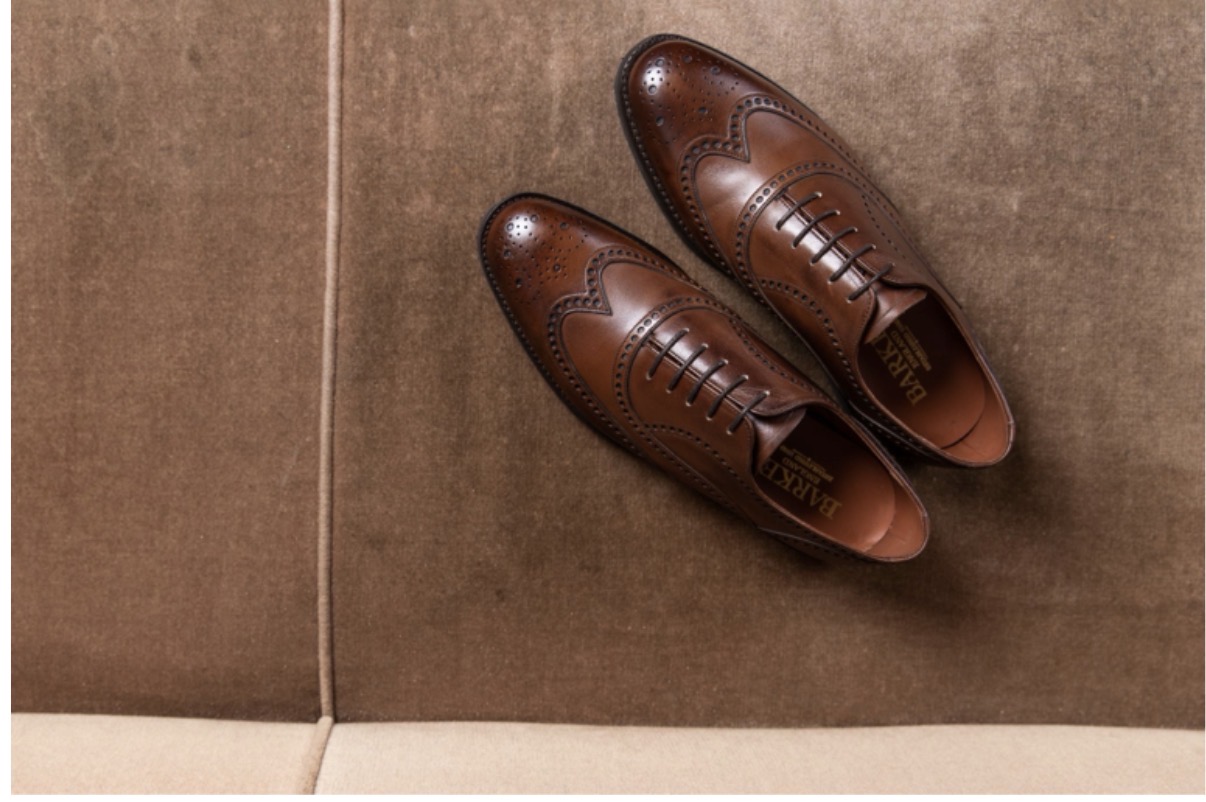
The conversation around investment footwear almost always returns to the same point of origin: Europe. Specifically, the tanneries of northern Italy, the shoemaking ateliers of Portugal and Spain, the workshops of southern Germany and Austria that have been producing quality leather footwear for generations. These are not marketing narratives constructed to justify a price premium. They are the product of genuine geographic and industrial heritage that has shaped how leather shoes are designed, constructed, and experienced by the people who wear them.
Understanding why European leather shoes command both higher prices and enduring loyalty among informed consumers requires looking beyond the surface – at the materials, the manufacturing processes, and the design philosophy that distinguish genuine craft footwear from its mass-produced alternatives.
The Material Difference
Leather is not a uniform material. The quality of the hide, the method of tanning, and the finishing processes applied all determine the final character of the leather – its durability, its breathability, its appearance, and how it ages over time.
European tanneries, particularly those in Italy’s Toscana region and in parts of Spain and Portugal, have long held a reputation for producing leather of exceptional quality. The vegetable tanning methods used by many of these producers – a slower, more labour-intensive process than the chrome tanning that dominates industrial production – create a leather with greater density, improved water resistance, and a patina-developing quality that improves with age and use rather than deteriorating.
Full-grain leather, the highest grade of hide, retains the outermost layer of the animal’s skin – the densest, most durable, and most breathable portion. European shoe manufacturers working at the quality end of the market typically use full-grain leather as a standard material. The result is an upper that resists abrasion, develops character with wear, and can be maintained and resoled rather than discarded when it shows signs of age.
The contrast with lower-grade materials – bonded leather, corrected-grain leather, synthetic uppers – is not merely aesthetic. It is structural. A shoe built on a genuine full-grain leather upper will outlast a cheaper alternative by years, often decades, under comparable conditions of use and maintenance.
Construction Methods That Define Longevity
The way a shoe is constructed is as important as the materials it is made from. European shoemaking traditions have contributed several construction methods that are widely regarded as benchmarks for durability and repairability.
Goodyear welting – a method in which the upper, insole, and outsole are joined by a continuous welt of leather stitched around the perimeter of the shoe – produces a shoe that can be resoled multiple times over its lifetime. The welt creates a physical separation between the upper and the outsole that allows a cobbler to remove and replace the sole without disturbing the upper’s structure. A well-maintained Goodyear-welted shoe can, in principle, last decades.
Blake stitching – more common in Italian shoe construction – creates a lighter, more flexible shoe by stitching the insole, upper, and outsole together in a single pass. The result is a trimmer silhouette and a more supple feel underfoot, though the resoling process is more involved than Goodyear construction.
Cementing or direct injection, by contrast, bonds the sole to the upper with adhesive – a construction common in mass-produced footwear that is efficient and cost-effective but does not permit resoling. When the sole wears out, the shoe’s functional life ends.
The prevalence of welt and Blake construction in European quality footwear is not incidental. It reflects a design philosophy in which longevity and repairability are treated as fundamental product qualities rather than optional features.
Design That Endures Trends
European footwear design has long operated on a different timeline to fashion-driven footwear. The aesthetic language of quality European casual and dress shoes – considered proportions, restrained ornamentation, colour palettes that work across seasons – is not designed to be current. It is designed to be enduring.
A pair of Pikolinos leather derbies, a set of ECCO leather casuals, a Cabello Comfort boot in full-grain calf leather – these are not shoes that will look dated in two years. They are designed within a tradition that values restraint, balance, and material authenticity over novelty. The result is footwear that remains visually relevant long after trend-driven alternatives have cycled out.
This design permanence is directly linked to the investment case. A shoe that looks as appropriate in five years as it does today generates value across its entire useful life, rather than front-loading that value into a single season of relevance.
The Brands Carrying the Tradition Forward
The European shoemaking tradition is not monolithic. It encompasses a range of brands operating at different price points, in different style categories, and with different balances of craft and contemporary design.
ECCO, founded in Denmark in 1963, operates its own tannery – one of the most technologically advanced leather processing facilities in the world – giving it direct control over hide quality from raw material to finished product. The brand’s leather casuals and dress shoes carry that material integrity into designs that work as readily in a professional context as in everyday wear.
Pikolinos, based in Spain’s Valencia region, draws on a tradition of Spanish leather craftsmanship to produce shoes and boots with hand-burnished finishes, vegetable-tanned leathers, and constructions built for longevity. The brand’s designs carry the visual character of Spanish craft footwear – relaxed, confident, and distinctly Mediterranean – while incorporating modern comfort technologies.
Cabello Comfort, produced in Turkey with a strong following in the Australian market, bridges European craft methods with contemporary comfort engineering. The brand’s shoes are built on generous, anatomically considered lasts and use European-sourced leathers in constructions that prioritise both visual quality and extended wearability. It has developed a particularly loyal following among Australian women who prioritise comfort without being willing to sacrifice the material quality of their footwear.
Orizonte, another brand with strong European craft influences and a significant presence in the Australian market, produces leather shoes and sandals that reflect continental design sensibility – clean lines, quality finishes, and a considered approach to colour – while incorporating footbed technologies that address modern comfort expectations.
Rieker, a German brand with over a century of production history, applies what it calls “antistress” technology across its range – incorporating flexible soles, lightweight construction, and extra room in the toe box into designs that carry the visual restraint typical of German craft footwear.
These brands, and others in the same tradition, are available through specialist footwear retailers in Australia. Brand House Direct stocks an extensive range of European leather footwear across these and other labels – making it one of the more practical access points for Australian consumers looking to invest in quality without travelling to source the product directly.
The Economics of Quality Footwear
The investment case for European leather shoes rests partly on craft and material quality, but it also has a straightforward financial dimension that is worth examining clearly.
A pair of quality European leather shoes purchased for three hundred dollars, properly maintained and resoled once over a ten-year period, will cost approximately forty dollars per year of use. A pair of mass-produced shoes purchased for eighty dollars and replaced every eighteen months will cost approximately sixty-four dollars per year of use – and will have generated four times as much waste in the process.
The cost-per-wear calculation consistently favours quality over cheapness when the full lifecycle of the product is considered. This is not an argument for spending beyond one’s means. It is an argument for understanding what is actually being purchased when the price difference between a craft shoe and a disposable one is evaluated.
Care and Maintenance: Protecting the Investment
The longevity that makes European leather shoes worth their price is contingent on maintenance that most owners either do not know about or choose not to perform.
Leather should be cleaned of dirt and dried naturally after wet use before any conditioning or polishing is applied. A quality leather conditioner, applied periodically, maintains the suppleness of the hide and prevents the cracking and dryness that accelerates surface deterioration.
Shoe trees – wooden inserts shaped to the interior of the shoe – maintain the last shape during storage and absorb residual moisture from wear. Cedar shoe trees are the preferred option, as the material is naturally moisture-absorbent and mildly antimicrobial.
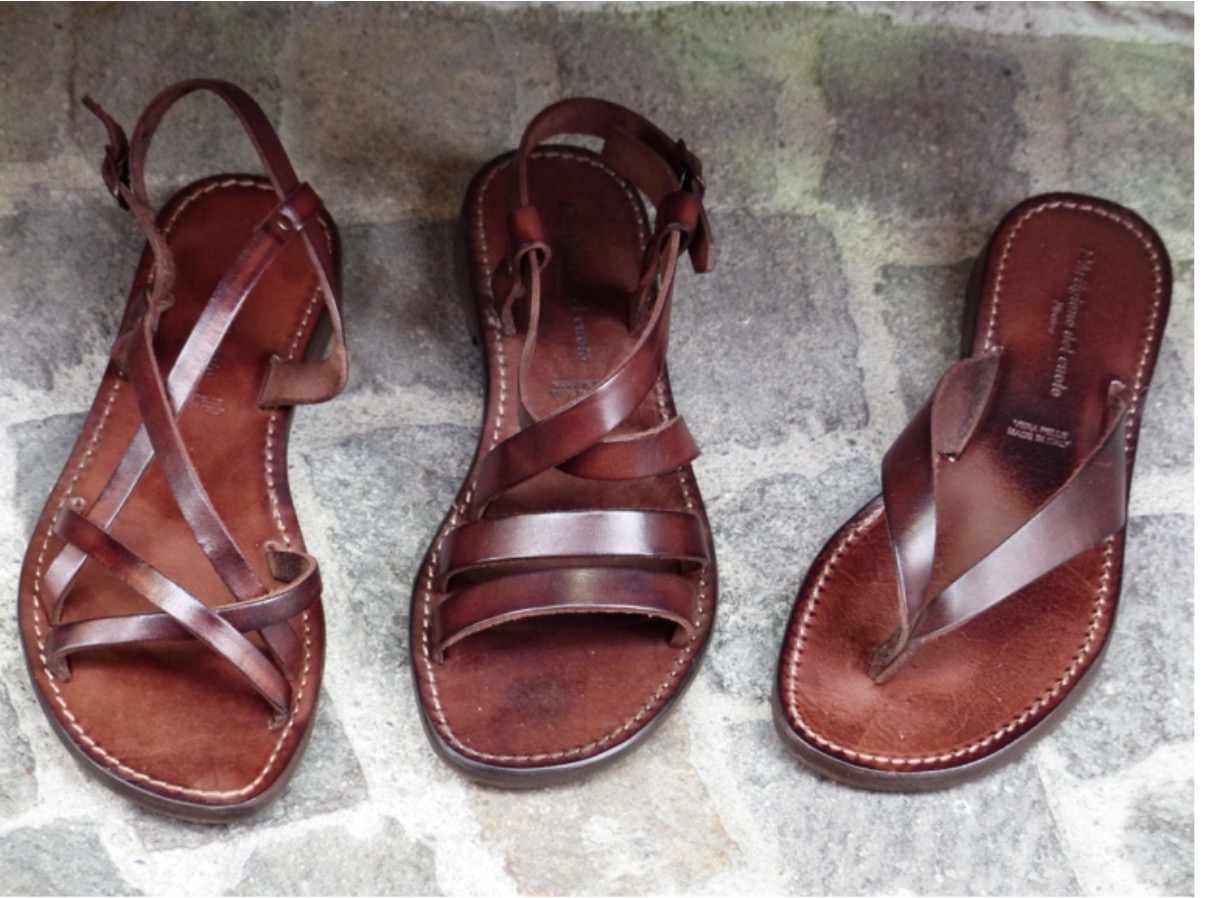
Rotating between pairs, rather than wearing the same shoes every day, allows the leather to dry fully and the midsole to recover between uses – extending the functional lifespan of each pair considerably.
These practices require minimal time and modest expenditure. Their effect on the lifespan of a quality leather shoe is disproportionate to the effort involved.
A Different Kind of Footwear Decision
Buying European leather shoes is, at its core, a different kind of decision than buying most footwear. It is a decision that extends beyond the transaction – one that considers how a shoe will perform across years of use, how it will age, whether it can be repaired, and whether the materials and methods behind its construction meet a standard worth paying for.
For consumers who have experienced the cycle of cheap footwear – the early deterioration, the replacement costs, the accumulated environmental impact – the shift to quality is rarely reversed. The shoes last longer, look better with age, and ultimately cost less than the alternative they replaced.
The European tradition did not produce this kind of footwear by accident. It produced it because the people making shoes valued permanence over disposability – a value that, for many consumers, is as relevant today as it has ever been.
Consumers seeking advice on leather shoe care and maintenance specific to their footwear are encouraged to consult the brand’s care guidelines or speak with a specialist footwear retailer.