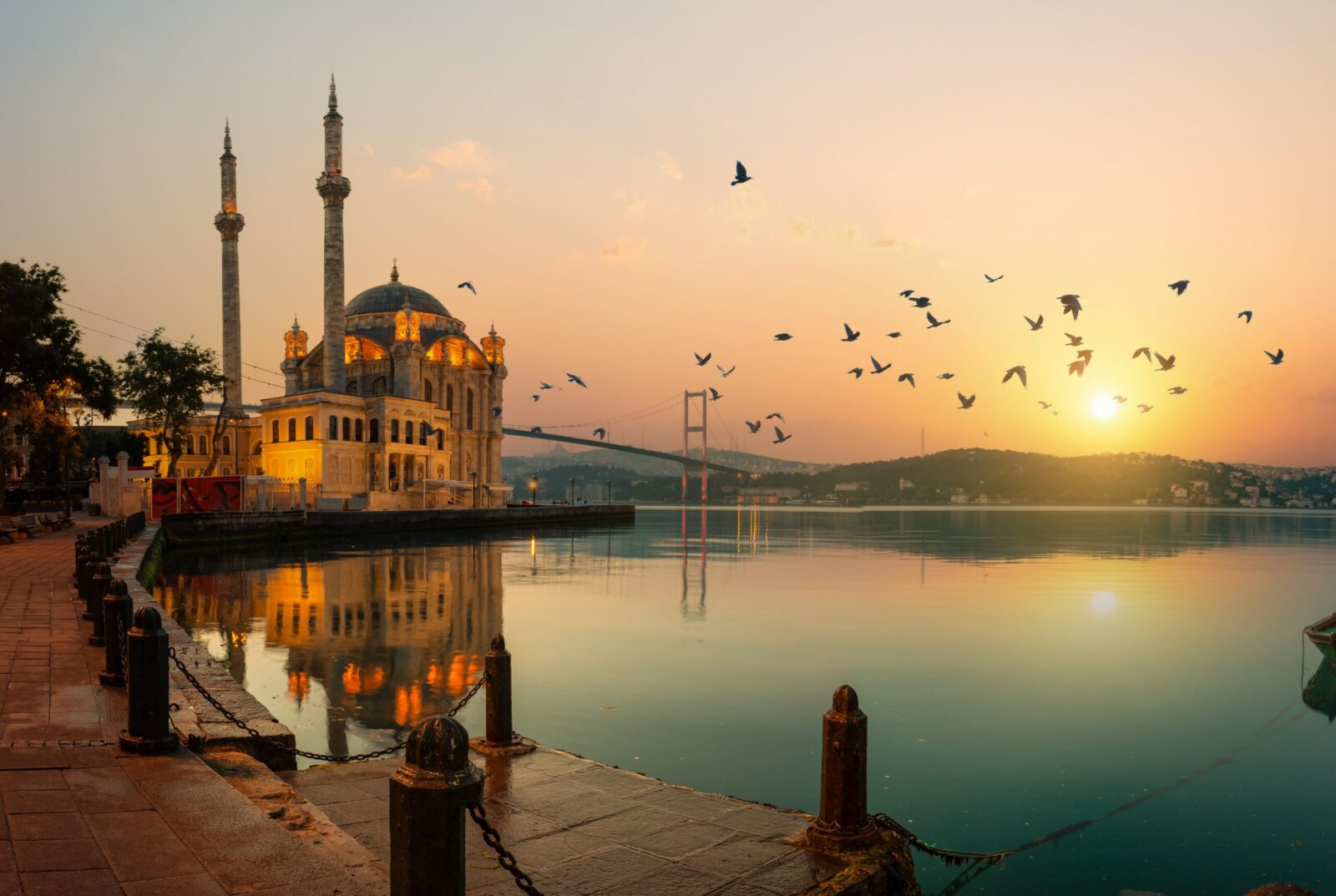
For years, conversations about relocating overseas have tended to revolve around familiar destinations such as Spain, Portugal and, more recently, Dubai. Yet another country is increasingly entering those discussions—and not simply because of its sunshine, beaches or lower cost of living.
Turkey has quietly become one of the most talked-about destinations for British families, retirees and internationally minded investors. A combination of major infrastructure investment, expanding international schools, comparatively affordable property prices and evolving tax proposals has placed the country firmly back on the radar.
For many, the appeal extends well beyond a holiday home.
Anyone researching everything you need to know before moving to Turkey.
will quickly discover that today’s Turkey is very different from the one many British buyers first encountered twenty years ago. Istanbul has developed into one of the world’s largest commercial centres, while coastal cities such as Antalya, Bodrum and Izmir continue to attract overseas residents looking for a Mediterranean lifestyle without some of the price inflation seen elsewhere in southern Europe.
Property remains one of the biggest attractions.
Compared with many established European markets, Turkish real estate still offers comparatively accessible entry prices, particularly in new-build developments and large regeneration projects across Istanbul. British buyers are increasingly viewing these purchases not only as lifestyle decisions but also as long-term investments capable of generating rental income and capital appreciation.
Unlike many overseas markets, investors are often able to choose between completed homes and off-plan developments, with staged payment plans making larger purchases more manageable. As with any overseas acquisition, however, legal due diligence and independent advice remain essential before committing funds.
Another reason Turkey is attracting attention is the country’s citizenship by investment programme.
While investment migration schemes exist in various parts of the world, Turkey has become one of the few countries where qualifying property investment can lead to citizenship, provided strict legal and financial requirements are satisfied. For internationally mobile families, that distinction is significant, particularly when compared with programmes elsewhere that provide residency rather than nationality.
That difference has encouraged many investors to begin comparing Turkey citizenship and Dubai golden visa options, weighing the advantages of long-term residency in one jurisdiction against the prospect of acquiring a second passport in another.
Tax is also becoming part of the conversation.
Although Turkey has historically operated a conventional income tax system, recent proposals surrounding a long-term exemption for certain categories of foreign-sourced income have generated considerable international interest. While the final legislation will determine exactly who qualifies, the proposals have prompted many wealth advisers and relocation specialists to reassess Turkey’s longer-term competitiveness alongside more established low-tax jurisdictions.
Importantly, tax residency, citizenship and immigration status remain separate legal concepts. Simply purchasing property or obtaining citizenship does not automatically determine an individual’s tax position. That distinction is often overlooked by prospective overseas buyers.
Lifestyle continues to play an equally important role.
For British families, Turkey offers a blend of modern healthcare, expanding international education, extensive domestic transport links and a climate that attracts visitors throughout much of the year. Istanbul, despite its size, increasingly appeals to professionals seeking a cosmopolitan environment, while many retirees continue to favour the more relaxed pace of the Aegean and Mediterranean coastlines.
Cost remains another factor.
Although inflation has affected prices, many everyday living expenses continue to compare favourably with much of Western Europe. Housing, dining, domestic services and certain leisure activities can still represent better value than equivalent lifestyles elsewhere, particularly for retirees or remote workers with overseas income.
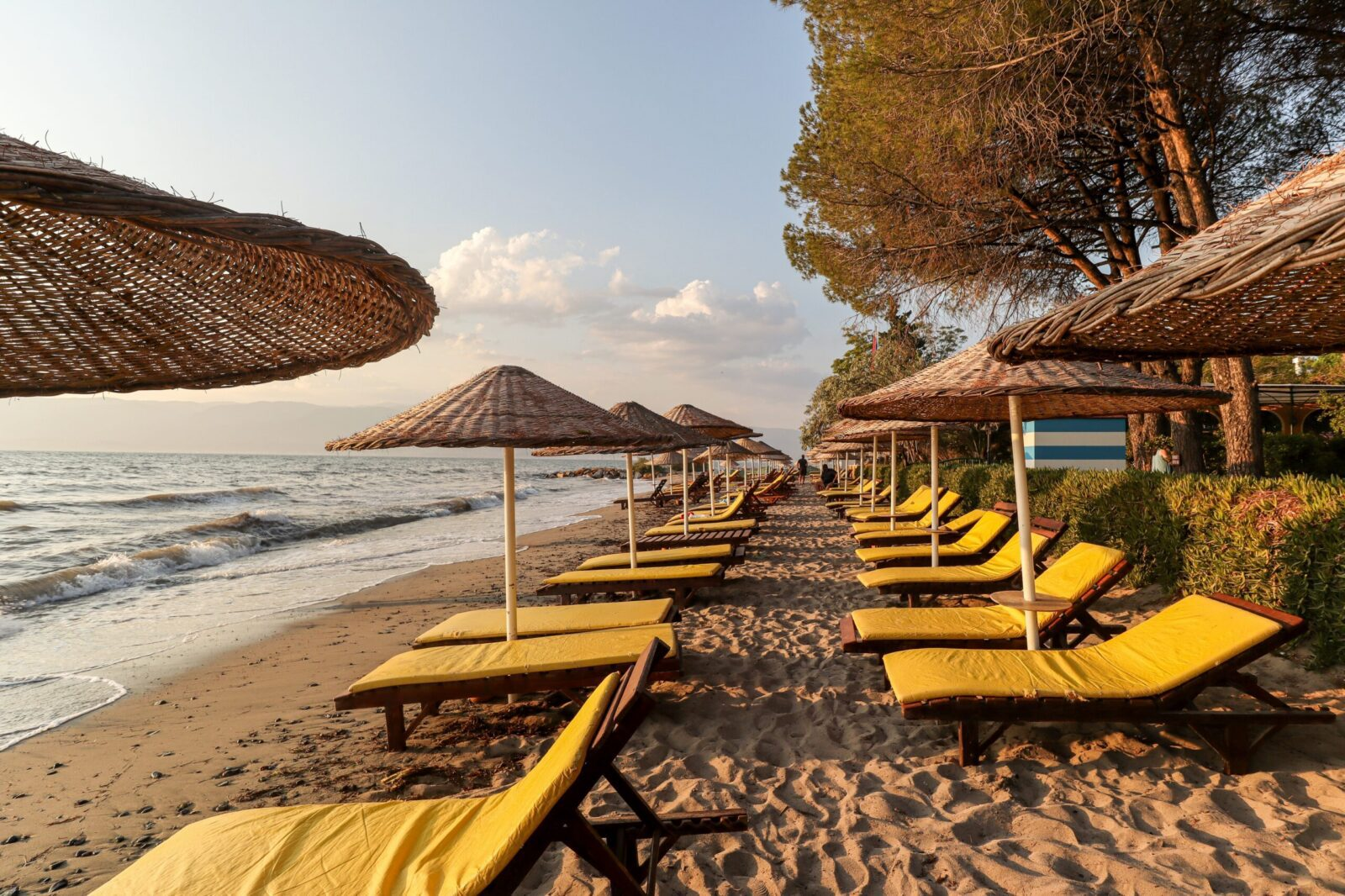
That combination of affordability and opportunity explains why more British buyers are now considering Turkey as something more than simply a holiday destination.
That growing interest is also being supported by wider economic trends.
International buyers are becoming increasingly selective about where they place capital. Rather than focusing solely on lifestyle, many now look for destinations that combine property ownership with long-term flexibility, infrastructure investment and future growth potential. Turkey is beginning to satisfy many of those criteria.
Istanbul, in particular, continues to benefit from major transport projects, expanding business districts and ongoing urban regeneration. Large-scale residential developments are reshaping parts of the city, while improved connectivity has reinforced its role as a bridge between Europe, Asia and the Middle East.
For investors, however, opportunity should never outweigh due diligence.
As with any overseas property market, not every development represents good value simply because it qualifies under an investment programme. Independent valuations, experienced legal advisers, reputable developers and careful examination of title documentation remain fundamental to reducing investment risk.
Anyone considering buying property in Turkey should evaluate far more than purchase price alone. Rental demand, future resale prospects, management costs, local planning considerations and developer track records can all have a significant impact on long-term performance.
These are issues experienced investors increasingly examine before making any commitment.
There are, of course, reasons why Turkey will not suit everyone.
Currency volatility has historically been greater than in many European markets, and overseas buyers should understand how exchange-rate movements may affect both purchase costs and investment returns. Equally, those attracted by headlines surrounding proposed tax reforms should recognise that legislation evolves and individual tax circumstances differ considerably.
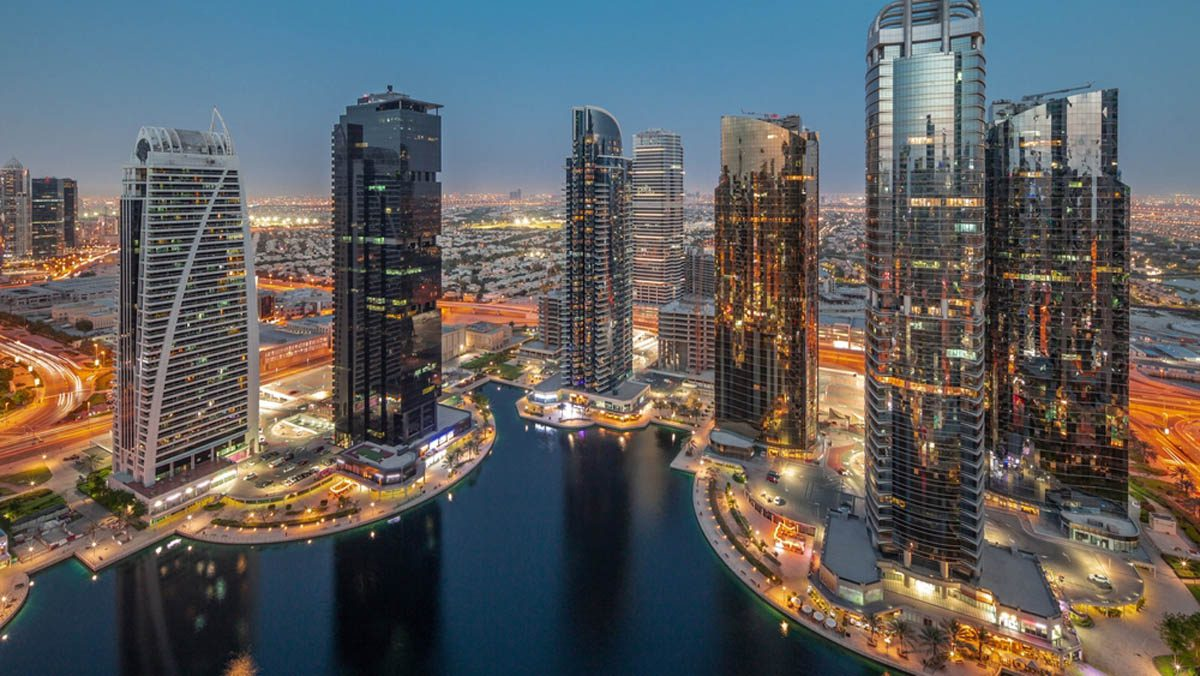
For some internationally mobile entrepreneurs, Dubai may continue to offer the stronger proposition because of its established reputation as a global commercial hub, international banking network and business-friendly environment. Others, particularly those seeking citizenship alongside property ownership, may conclude that Turkey aligns more closely with their long-term objectives.
Neither destination can realistically be described as universally better.
Instead, they appeal to different priorities.
That is perhaps why professional advisers are seeing more clients ask broader questions before deciding where to relocate. Increasingly, discussions begin with family goals, future tax residence, education, retirement planning and investment strategy before any property is viewed.
The shift reflects a more sophisticated approach to international relocation.
Rather than chasing the latest trend, British families are looking for jurisdictions capable of supporting the next twenty or thirty years of their lives. Lifestyle, financial security, healthcare, education and wealth preservation are now considered together rather than separately.
Turkey’s growing popularity appears to reflect exactly that change in thinking.
Whether driven by comparatively accessible property prices, strategic location, expanding infrastructure or evolving fiscal proposals, the country is attracting attention from a wider range of British buyers than at any point in recent years.
For many, it represents an opportunity to secure a home in a dynamic international market while also creating greater flexibility for the future.
As global mobility continues to reshape how people live, work and invest, Turkey seems likely to remain firmly on the shortlist of destinations that British families and investors are watching most closely.