
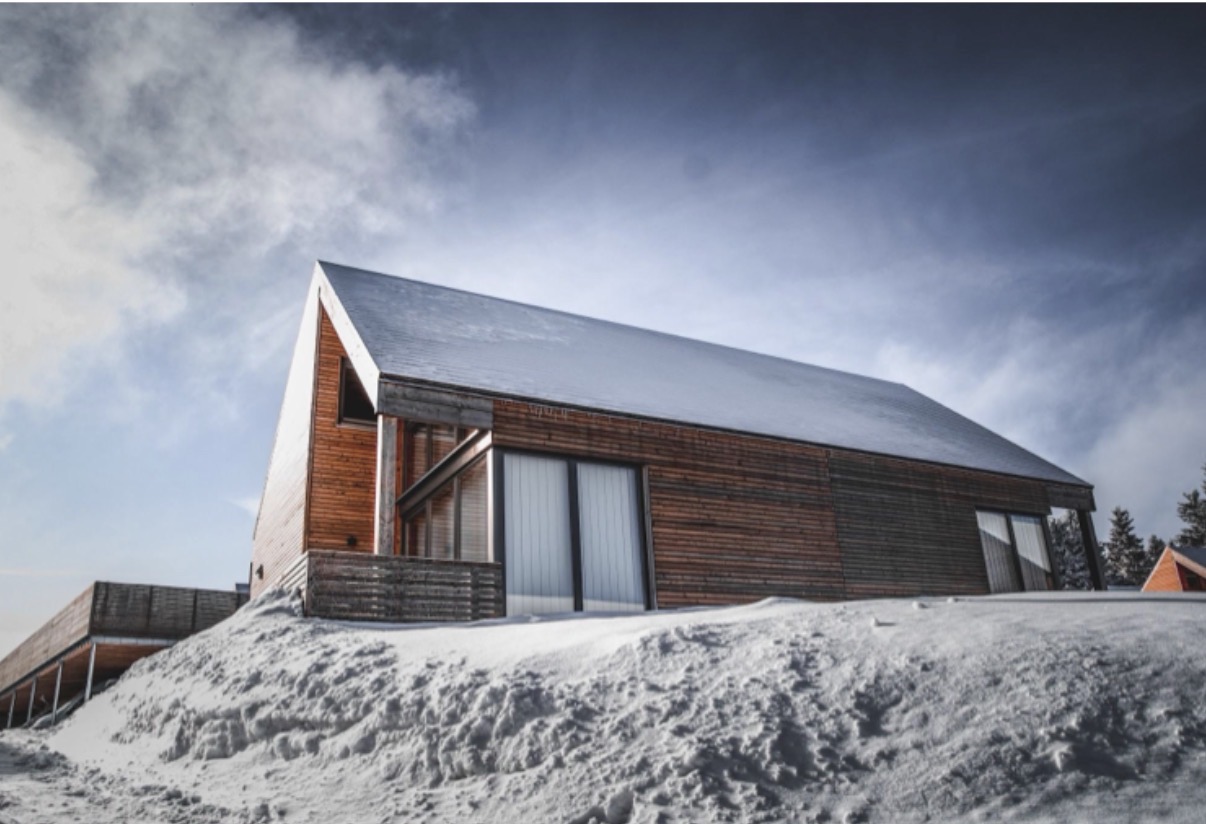
Heating bills rise when old frames let cold air sweep into living spaces during winter. Replacing worn glass units keeps indoor temperatures steady year-round.
Modern designs stop indoor heat from escaping through thin window panes. Property owners save money on energy bills and enjoy cosy rooms every single season.
Understanding Window Frame Materials
Frame selection dictates how well a room retains heat during cold weather spells. Wooden frames offer classic visual appeal, but metal options tend to transfer chill directly indoors. Timber frames need ongoing repainting to prevent weather damage.
Proper material selection prevents cold draughts from entering living spaces through small gaps. Upgrading to high-quality uPVC Windows creates a tight seal against harsh weather conditions. The practical upgrade reduces energy losses across every room in your home.
Synthetic materials resist warping, rotting, and moisture damage across decades of continuous use. Low maintenance needs make modern synthetic frames a favourite choice for major home renovations. Long-lasting materials protect home structures against driving rain and freezing temperatures.
Comparing Frame Design And Thermal Chambers
Internal frame structure matters just as much as surface appearance when shopping. Hollow frame designs create isolated pockets that slow heat movement between indoor spaces and outdoor air. Trapped air pockets act as natural barriers against freezing winter temperatures.
One industry study highlighted how vinyl frames feature hollow chambers that trap air and improve thermal performance. Internal barriers prevent rapid temperature drops near interior glass surfaces. Blocking thermal transfer keeps living areas comfortable without forcing heating systems to work overtime.
Multi-chamber construction reduces cold draughts without adding excess weight to exterior wall structures. Property owners gain solid protection against freezing winter winds and summer heat. Modern manufacturing techniques ensure the multi-layered profiles maintain structural strength for decades.
Evaluating Energy Ratings And Uw Values
Performance metrics help shoppers compare different window models side by side with confidence. Lower Uw values indicate superior insulation efficiency across the entire glass unit and surrounding frame. Choosing tested ratings removes guesswork from home improvement investments.
Industry research shows that in 2025, windows with a Uw below 0.8 W/(m²K) are becoming standard in passive and energy-efficient houses. Checking the technical ratings guarantees smart purchasing decisions before committing funds. Certified ratings confirm that installed units meet modern efficiency goals.
Shopping with clear metrics in mind helps identify high-efficiency glass models quickly. Selecting properly rated units delivers measurable insulation gains for residential properties:
- Lower U-values block heat escape during cold winter seasons.
- Tight perimeter seals eliminate unwanted air infiltration.
- Specialised glass coatings balance natural daylight and indoor thermal comfort.
Adding Glazing Options And Surface Coatings
Glass panes work alongside surrounding frames to block unwanted thermal transfer throughout the year. Double or triple glazing traps inert argon gas between individual panes to stop draught movement. Multiple layers of glass create a powerful defence against cold exterior air.
Energy experts noted that high-performance films can even reduce heat loss through glass by up to 48%. Adding protective films builds extra thermal resistance against extreme seasonal temperatures. Applying coatings improves energy efficiency across older glass setups.
Reflective surface treatments keep interior heat inside during cold winter months. Combining coated glass with fully insulated frames creates maximum energy savings across every room. Homeowners enjoy lower utility expenses alongside improved interior noise reduction.

Upgrading house glazing pays off through reduced heating bills and steady room temperatures year-round. Careful product selection protects your living area against harsh seasonal weather conditions.
Selecting reliable frame materials and certified glass guarantees long-term interior comfort. High-efficiency fittings keep your home warm, quiet, and energy-efficient for decades to come.