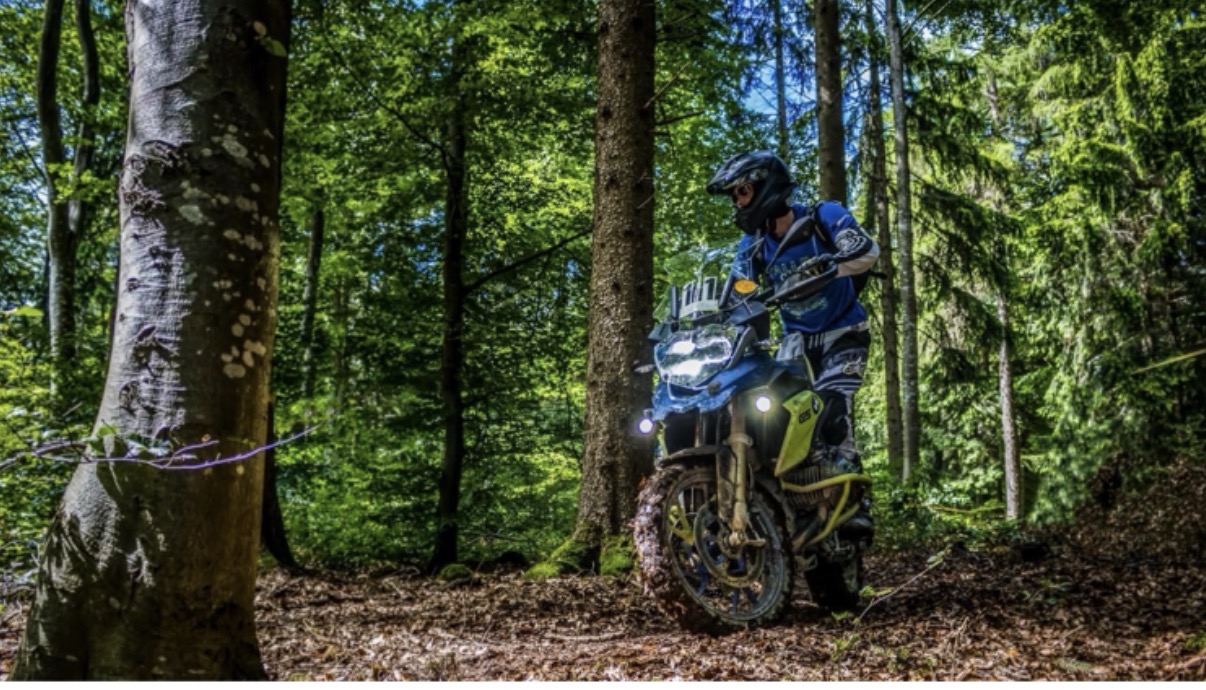
Before the engine starts, much of a good trail day has already been decided. The fit of your boots, the position of your armour and the way your layers handle heat will influence how comfortably you ride.
A complete off-road setup brings those details together. It should protect the rider, accommodate constant movement and leave room for the practical essentials needed when the route takes you away from the paddock.
Start with head protection and clear vision
Riders searching for comfortable motocross helmets that offer superior protection should begin with fit and appropriate safety certification. The helmet should feel secure around the head without painful pressure points, and its retention strap must fasten correctly.
Ventilation deserves attention, particularly on technical trails where effort is high but speed is low. Check how the liner, intake vents and exhaust openings work together, and keep those openings clear of dried mud.
Try goggles with the helmet before buying. The frame should sit comfortably within the eye port, with a consistent seal and no excessive pressure on the nose. A clear lens is a useful choice for routes that move between open ground and shaded woodland.
Choose boots and knee protection together
Off-road boots need to cope with contact from rocks, roots, footpegs and the motorcycle itself. Look for secure buckles, reinforced shin and toe areas, and appropriate support around the ankle.
The fit should hold the foot firmly while leaving the toes comfortable. You also need enough feel to operate the gear lever and rear brake accurately.
Try boots with your riding socks and knee guards or braces. Their overlap should remain comfortable when the knees bend, without pushing either item out of position. Allow time to become familiar with new boots before tackling a demanding route.
Build reliable coverage around the torso
Chest and back protection form the core of the upper-body setup, supported by suitable shoulder and elbow protection. A protective jacket can bring these areas together, while separate pieces allow a more individual fit.
Check the purpose and certification of each item. Protection against stones thrown up by another motorcycle is not necessarily equivalent to certified impact protection.
Armour should stay over the intended area as you lean forward, stand and turn. Adjust straps carefully, and check the fit with your jersey. Tight clothing can restrict movement, while an excessively loose arrangement may allow protectors to shift.
Balance durable clothing with ventilation
A riding jersey should allow easy movement through the shoulders and arms, with enough room for the protection beneath it. Breathable fabric and well-placed ventilation help manage heat, particularly during sustained physical effort.
Trousers need tougher construction where they repeatedly contact the bike, together with flexibility around the hips and knees. Check that the waist stays secure when standing on the pegs.
A moisture-wicking base layer can improve comfort beneath armour, while an accessible waterproof shell is useful when conditions change. Gloves complete the outfit: choose a secure wrist closure, comfortable seams and a palm that maintains grip without bunching. Test them with your hands around the controls, rather than judging fit with open palms.
Carry what the trail demands
A longer trail ride requires more preparation than a short session beside the van. Carry drinking water, a charged phone, offline route information and basic first-aid supplies. Let someone know your planned route and expected return time, and ride with company on remote trails.
Tools and puncture equipment should suit your motorcycle and the repairs you can perform confidently. Pack heavier items securely and avoid a load that swings around or interferes with riding.
Keep weather protection and essentials accessible, so a brief stop does not require unpacking everything.
Test the complete setup before setting off
Put everything on and sit on the motorcycle. Stand, bend your knees, turn your head and reach for the controls. Any pinching, slipping or restricted movement deserves attention before the ride begins.
Check helmet straps, boot buckles, armour fastenings and luggage security, then inspect the motorcycle’s tyres, brakes, controls and fluid levels according to its manual.
Well-chosen equipment helps remove avoidable distractions, but endurance also depends on pacing, hydration and rest. Give yourself a manageable route and enough time to enjoy it; the best setup supports good judgement throughout the day.