The life-saving potential of routine eye tests has been highlighted after a 50-year-old woman’s optician identified signs that led to the diagnosis of a rare autoimmune condition.
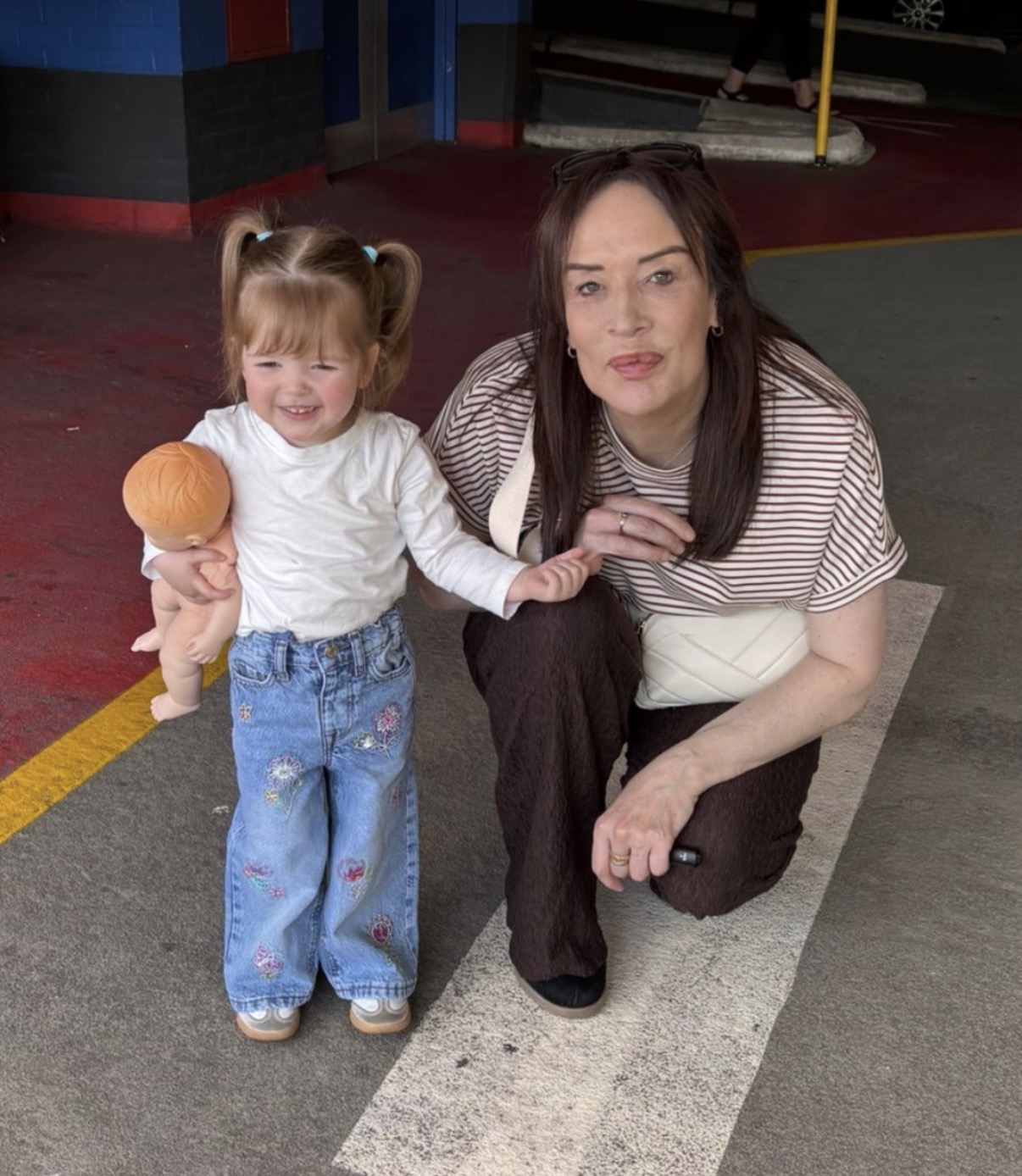
Lisa Russell, from Dagenham, first noticed her vision becoming increasingly blurred and initially assumed she needed a new prescription. However, as her symptoms progressed to double vision and her left eyelid began to droop, she decided to book an eye test at Specsavers Dagenham Heathway, where she underwent a series of tests.
The store’s senior optometrist, Rizwan Aswat, identified the worsening of Lisa’s eyelid droop, alongside increasing difficulty reading and keeping her eye open. Recognising the significance of these changes, he referred her to Evolutio Ophthalmology Clinic London for further testing, from where she was urgently sent to Queen’s Hospital for immediate investigation.
Lisa says: ‘I’d noticed my vision becoming more blurred over about six weeks, but I didn’t think much of it at the time. The blurriness affected both eyes, although my left eye was noticeably worse and felt like it was struggling more. I was also experiencing breathlessness, but I didn’t realise the two were related.
‘It was only when my eyelid began to droop to the point where I had to lift my eyebrow to keep it open that I decided to book an eye test, which ultimately led to my admission to Queen’s Hospital.
‘At Queen’s, I was diagnosed with myasthenia gravis, a rare, chronic autoimmune condition that causes fluctuating weakness in voluntary muscles, especially those controlling eyes, eyelids, chewing, swallowing, and speaking. I then spent five days in hospital receiving treatment.’
People diagnosed with myasthenia gravis are at risk of experiencing a myasthenic crisis, a serious, life-threatening complication where the muscles that control breathing become so weak that urgent medical support, including ventilation, may be needed. A crisis can happen when symptoms suddenly worsen, often triggered by factors such as infection, certain medications, surgery, or other physical stress on the body.
Lisa continues: ‘Without Rizwan’s referral, my condition could have continued to deteriorate without me understanding how serious it was. Even with treatment, I’ve learned that a myasthenic crisis can still happen, but now I know what warning signs to look out for and can get the right medical care straight away.
‘I would urge anyone experiencing changes in their vision, however small, to book an eye test. I never imagined what that one appointment would lead to. If you have any concerns at all, it’s so important to get them checked.
‘There’s no cure for my condition, and I’m now under the care of neurologists, receiving treatment to manage my symptoms. It’s been life-changing, but having a diagnosis means I understand what’s been happening and can get the support I need. Looking back, it’s frightening to think what could have happened if I hadn’t booked that eye test.
‘I’m incredibly grateful it was caught when it was – it may have saved my life.’
Myasthenia gravis can affect people of any age, typically starting in women under 40 and men over 60.
Rizwan says: ‘Our eyes can often reveal far more about our overall health than people realise, which is why routine eye tests are so important. In many cases, subtle changes inside the eye can be an early indicator of underlying medical conditions that may not yet be causing obvious symptoms elsewhere in the body. That’s why regular check-ups are so vital – they don’t just assess vision but can also help with identifying broader health concerns at an early stage.
‘In Lisa’s case, we were able to recognise the significance of symptoms she had initially not thought much of and are very pleased she has now received the care, support, and ongoing treatment she needs to manage her condition.’
Specsavers Dagenham Heathway is open seven days a week. To book an appointment, visit www.specsavers.co.uk/stores/dagenham or call the store 020 8596 9998 for eye health specialists and audiology care.