
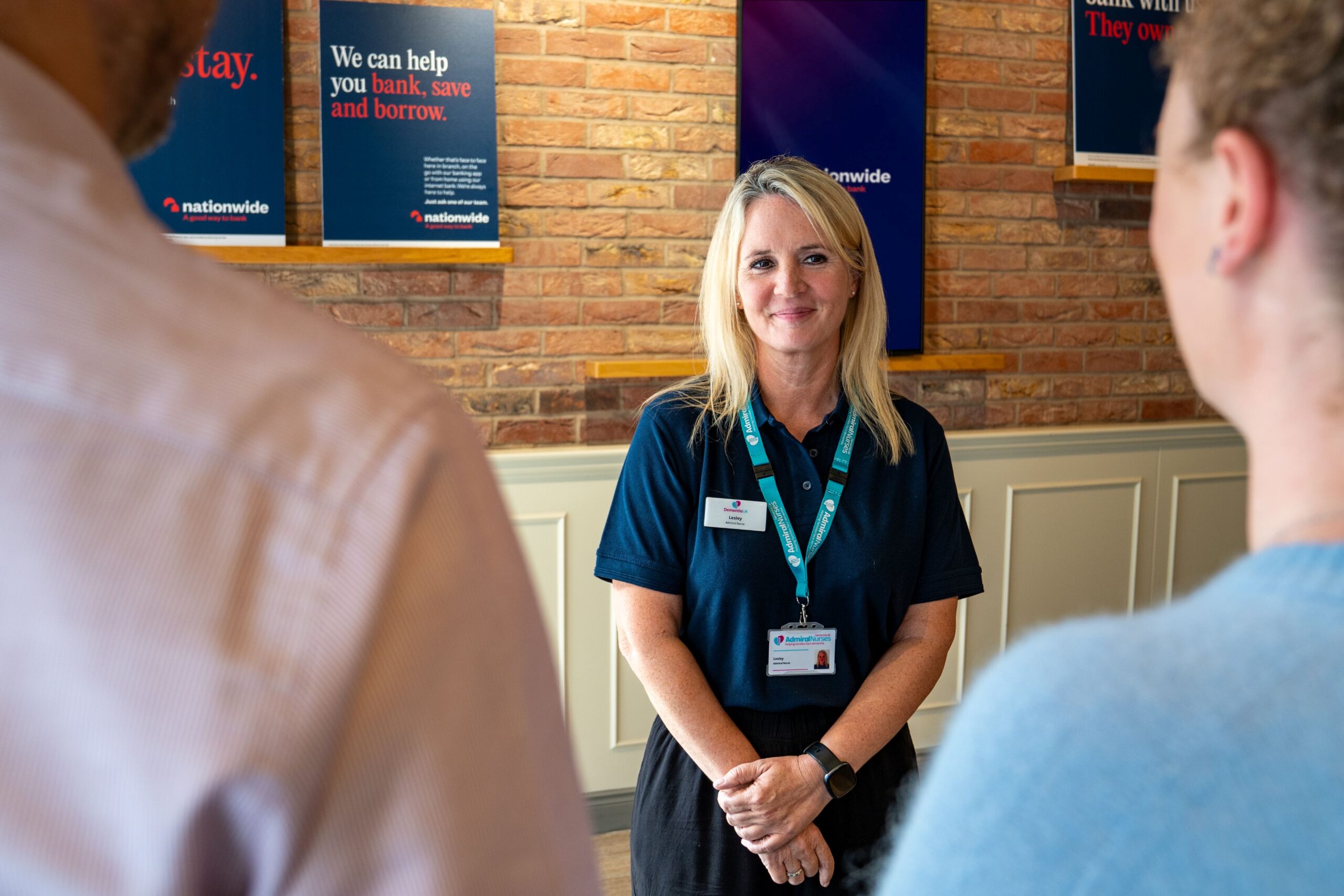
Nationwide and Dementia UK’s free face-to-face clinics are returning to Nationwide branches in London, offering specialist support in a safe, comfortable and private space for people to discuss any aspect of dementia.
Hosted by Dementia UK’s Admiral Nurses, the clinics are open to anyone impacted by dementia, offering life-changing support to families and individuals in the area. Appointments can be booked via Dementia UK’s website here.
The clinics will offer practical and emotional advice on all aspects of dementia – from worries about symptoms through to getting a diagnosis and understanding how the condition can progress.
Ahead of the appointments, Dementia UK, the specialist dementia nursing charity, has shared tips on finding practical support as a carer.
Nearly one million people are estimated to be living with dementia in the UK today. A diagnosis can bring many questions for the person living with dementia and those around them, from understanding what support is available to planning for the future.
To help carers find and access practical support after a diagnosis, Dementia UK has issued a list of tips and advice:
Ask about follow-up appointments – after a dementia diagnosis, it can help to find out whether there will be further appointments with healthcare professionals, how often they will take place and how to book them. It is also useful to ask who the main point of contact will be for coordinating health and social care support, such as their GP, social worker or memory clinic
Get support with managing medication – if medication is prescribed after a diagnosis, families may find it helpful to speak to a healthcare professional or pharmacist about how to manage it day to day. Simple support, such as repeat prescriptions, home delivery or dosette boxes may help to make things feel more manageable
Talk to family and friends about the diagnosis – sharing a dementia diagnosis with family and friends can feel difficult, but it may help those close to you understand how they can offer support. If children or young people are affected, try to explain things honestly in a way that feels right for their age
Take practical steps to plan ahead – planning for the future can feel difficult, but doing it early can help families feel more prepared, and ensures the person living with dementia is involved in decisions about their care. This might include arranging a Lasting Power of Attorney, thinking about medical and care preferences, and recording their wishes in an advance care plan
Find out what support may be available – caring for someone with dementia can bring practical, emotional and financial pressures, but support might be available to help alleviate some of these worries. A carer’s assessment or needs assessment can help identify what support might make day-to-day life more manageable, and families may also be able to access benefits, discounts or other financial support
Caring for a person with dementia can be physically and mentally demanding, but it’s important to know that you’re not alone – Dementia UK’s Admiral Nurses are there to support the whole family.
The clinics in London are part of Nationwide’s social impact strategy, Fairer Futures, which addresses four of the UK’s biggest social issues through charity partnerships – family poverty (Action for Children), youth homelessness (Centrepoint), dementia (Dementia UK) and cancer (The Royal Marsden Cancer Charity). Nationwide is funding 30 dementia specialist Admiral Nurses and is hosting clinics in over 230 Nationwide branches across the country. Twelve Virgin Money branches across the North of England and Scotland will also trial clinics from May, increasing the number of branches offering dementia support to 250 across the UK.
Lesley Potter, Admiral Nurse at Dementia UK, said:
“We’re looking forward to returning to London to offer support and advice to families affected by dementia. Since launching our partnership with Nationwide Building Society, we have seen the difference it can make to bring specialist dementia support into local communities. These clinics give people the chance to speak to an Admiral Nurse about any aspect of dementia, from understanding a diagnosis to finding practical support in a safe and accessible place, helping to ensure no one faces dementia alone.”