
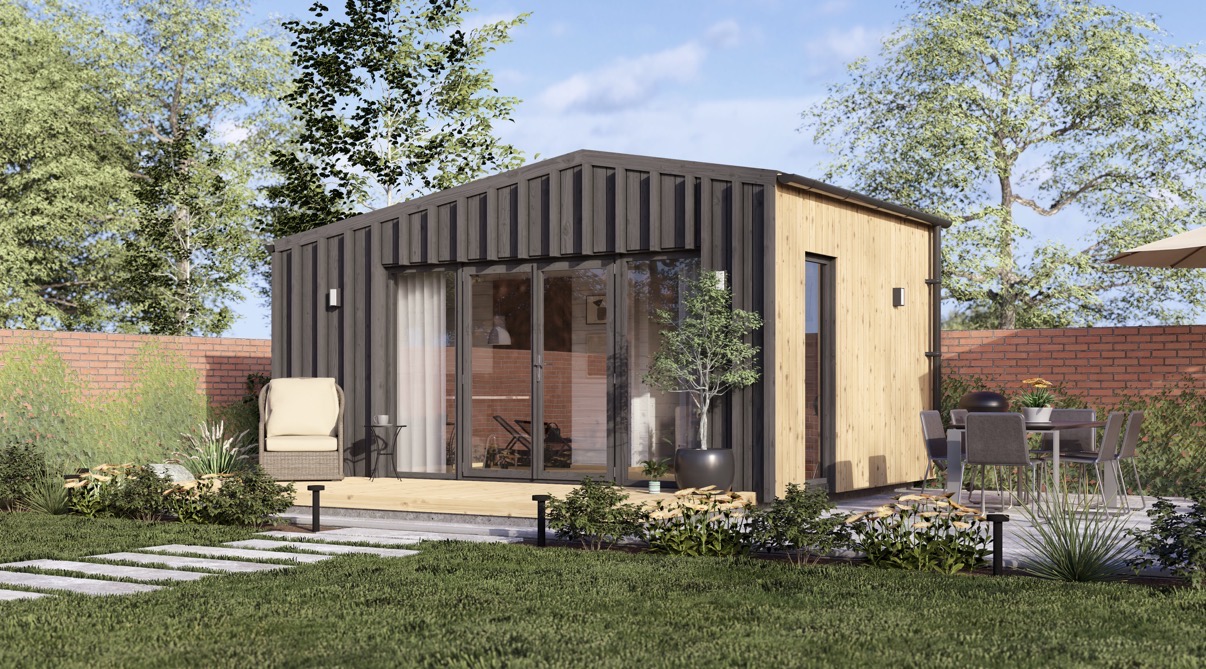
London homeowners are looking for new ways to gain additional space without moving or building an extension.Garden rooms are an appealing alternative, providing a functional and stylish addition to properties that often do not require planning permission.
Using garden buildings as additional living spaces has become a growing trend among Londoners. These insulated structures can be used all year round and can transform a garden into a comfortable living space. They are ideal for London’s exciting and bustling lifestyle, particularly given the high cost of housing.
Why London Homeowners are Choosing Garden Rooms
London remains a place of high property prices and limited space, making it difficult for many homeowners to extend their properties. Garden rooms offer a budget-friendly option with less hassle than a traditional home extension or the considerable expense of moving.
When they fall under permitted development rights, garden rooms can be simpler and much quicker to install than a full extension.
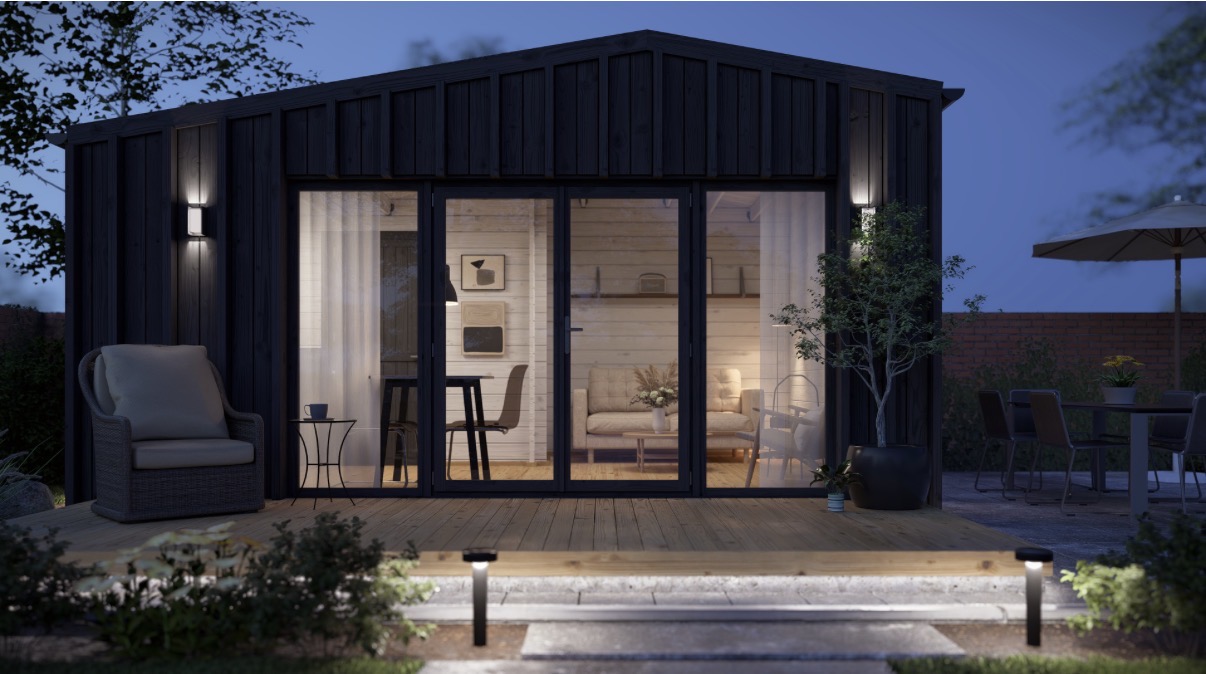
5 Popular Uses for Garden Rooms in London Homes
Garden rooms have become popular among homeowners in London because they offer a flexible and dedicated space for a variety of uses. The most popular use in 2026 is still the home office, but the versatility of these spaces is also a major part of their appeal.
Homeowners are increasingly using their gardens as an extension of their homes. Garden offices have become particularly popular as a result of changing working patterns and the rise of remote and hybrid work.
1. Home Office/Remote Work Space
The post-pandemic shift to remote and hybrid working has made the garden office the leading use case for garden rooms. It offers a dedicated, distraction-free environment separate from the main living areas, crucial for productivity in busy London homes.
For Londoners, a garden office is a strategic investment in both lifestyle and property value.
2. Guest Accommodation or Teenage Retreat
A garden room can provide a private space for guests or a growing teenager, offering greater independence without requiring a full extension to the home. You need to consider the building regulations carefully if sleeping accommodation is involved.
3. Gym, Yoga Studio, or Wellness Space
Having a gym or yoga studio in the garden is convenient and private, while also eliminating the need for gym memberships and travel time. With the right insulation and ventilation, it provides a comfortable space for exercise throughout the year.
4. Creative Studio for Hobbies
A studio space can help artists, musicians, and crafters stayfocused on their work without household distractions or mess.When creating a dedicated studio, good natural light and soundproofing are often important considerations.
5. Garden Entertaining and Dining Room
If you love entertaining, you could use your garden room as an elegant dining area, bar, or lounge. This direct connection to the garden is particularly appealing in summer, while the room can provide a warm and cosy retreat in winter. This helps maximise the potential for outdoor living in the London climate.
Maximising Your Garden Room Investment
To maximise the return on a garden room investment, focus on functionality, seamless integration, and longevity. A carefully designed interior can make a compact space more functional and pleasant.
Having reliable WiFi and electricity is crucial for the majority of modern uses, especially for a home office. Integrating the garden room with the surrounding landscape can make it even more appealing.
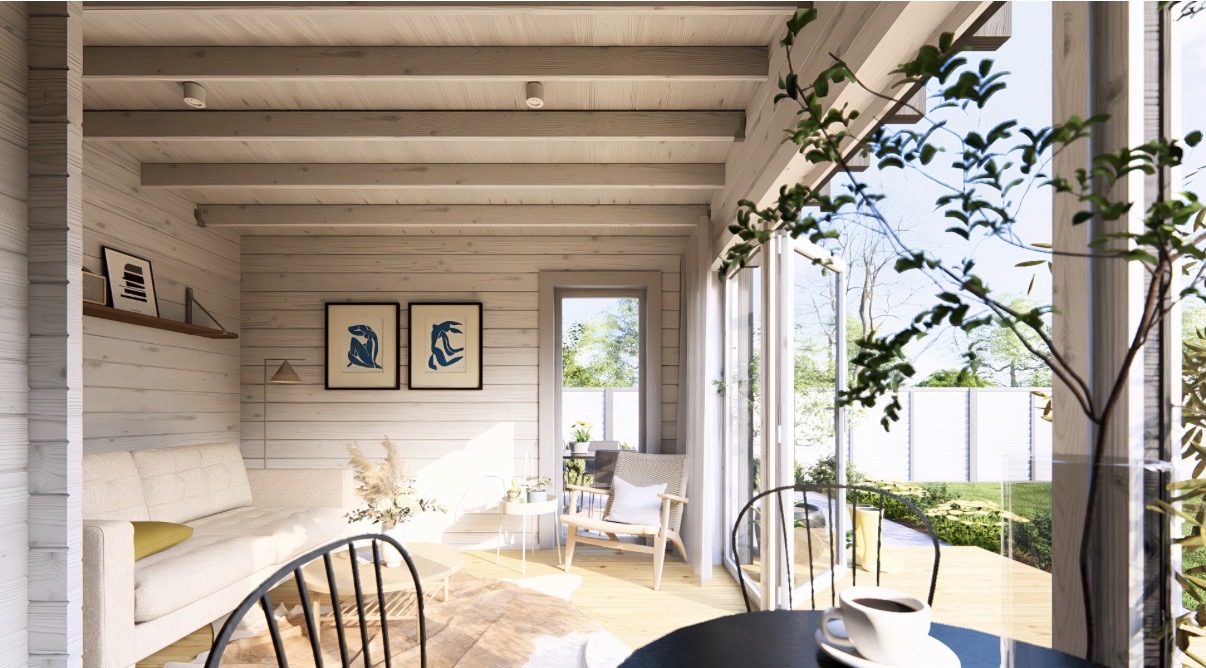
Conclusion: Is a Garden Room Right for Your London Home?
A garden room is an excellent and innovative solution for homeowners in London who are short of space and face high property costs. It offers numerous advantages, including extra usable space, increased property value, and unparalleled flexibility in how the space can be used.
With careful consideration of planning guidelines, types of structures and personal needs, a garden room can be a strategicinvestment, enhancing your home and lifestyle. It provides a practical way to gain more space while working within the constraints of urban living.