Digital smile design is providing new ways for patients and practitioners to visualise potential outcomes in cosmetic dentistry. This technology offers a level of precision and transparency in treatment planning, making it easier for patients to understand their options and make informed decisions about their dental care.
Treatment visualisation is increasingly influencing how people approach cosmetic dental care. The ability to preview results before any dental procedure has made digital smile design a common aspect of many modern consultations. London cosmetic dentistsoften use advanced imaging and design software to give patients a clearer idea of possible outcomes. This approach helps to reduce uncertainties that can be associated with aesthetic dental treatments.
How digital tools help visualise potential results
Digital smile design involves using photos, videos, and 3D scans to capture the current state of a person’s teeth and facial structure. With this information, software creates mock-ups that illustrate potential improvements, mapping tooth shape, length, symmetry, and shade to match each individual’s facial proportions.
These visual simulations allow patients to compare different treatment options, such as whitening, composite bonding, or veneers. Dentists can demonstrate how alterations to tooth size, alignment, or gum contour might affect a smile, all before any clinical intervention takes place.
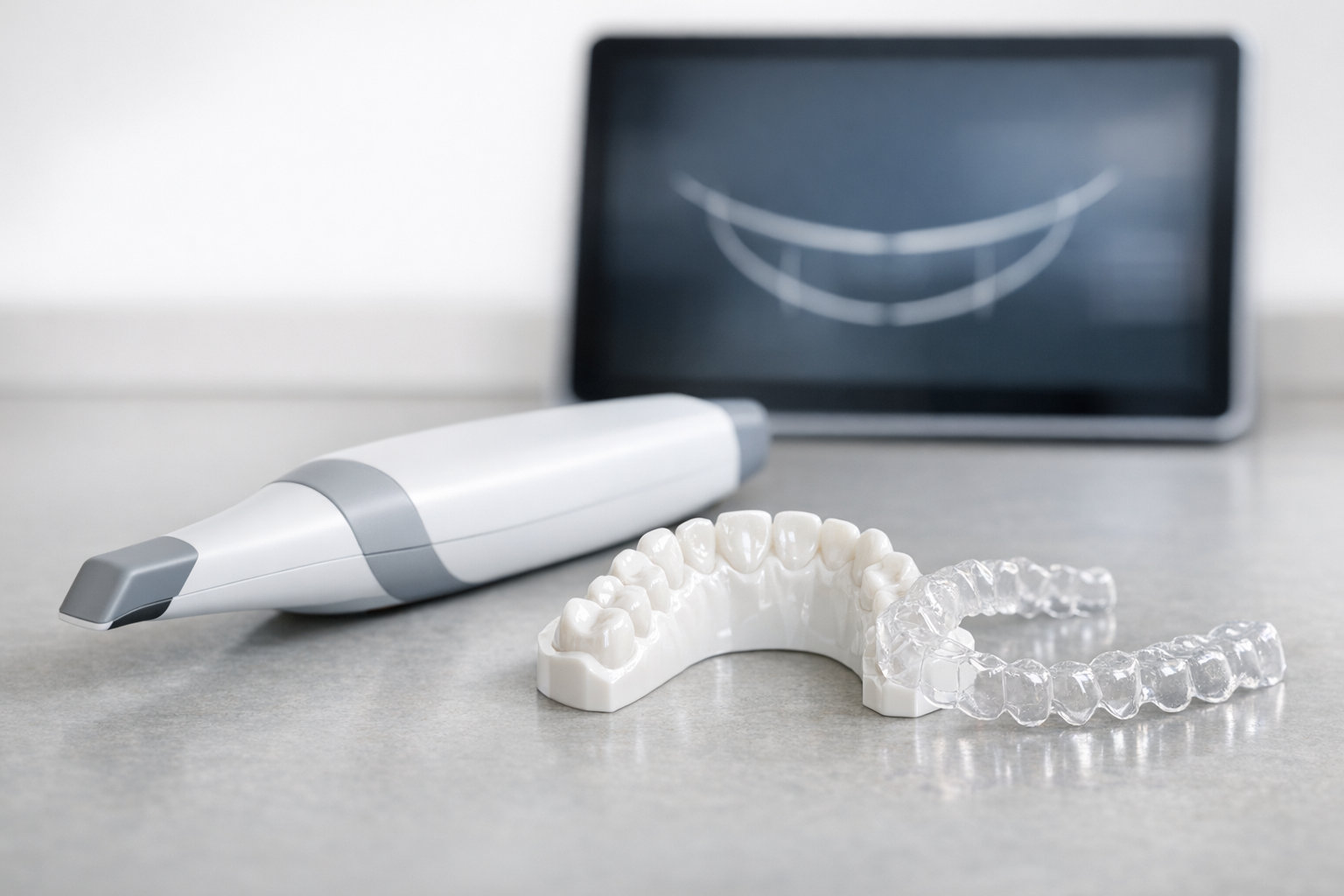
The technology behind digital smile design has evolved significantly, incorporating intraoral scanners and high-resolution imaging systems that capture minute details of tooth structure and soft tissue. These digital records eliminate the need for traditional impression materials in many cases, offering a more comfortable experience during the data collection phase. The precision of these scans enables practitioners to assess not only the visible surfaces of teeth but also the underlying alignment and spacing issues that may affect the final aesthetic outcome. This comprehensive digital mapping forms the foundation for accurate treatment simulations.
Demonstrating options and guiding patient decisions
Having the opportunity to preview changes can be particularly helpful if you are unsure about the extent of treatment you wish to pursue. Rather than relying only on descriptions or standard photographs, digital simulations give a clearer context to compare possibilities and set realistic expectations.
This method also helps you see how factors like gum display or tooth shade may contribute to your overall appearance. By adjusting mock-ups, you can review different variations and participate actively in deciding what feels most suitable. These simulations are an important element in many cosmetic dental consultations, and some dentists find that they help patients understand the implications of different treatment plans.
Improving planning, communication, and predictability
Digital smile design can streamline planning for both straightforward and complex dental treatments. It supports clear communication between dentists, patients, laboratory technicians, and other professionals involved in your care, helping to reduce misunderstandings about the intended outcome.
This technology is used for procedures like whitening, composite bonding, aligner-based tooth straightening, and smile makeovers that may involve several steps. When more than one specialist is engaged, using shared visual references can improve predictability and contribute to a coordinated approach across all aspects of the treatment plan.
Caveats, ethics, and questions to consider at consultations
Although digital smile design provides detailed previews, it is important to understand that these simulations are not guarantees. Actual results depend on factors such as biological response, the properties of dental materials, bite dynamics, and clinical techniques, and some adjustments may be necessary during the course of treatment.
Ethical practitioners use digital smile design to clarify available options, support realistic expectations, and discourage unnecessary treatments. Responsible communication also involves ensuring informed consent, so that patients understand both the potential benefits and the limitations of the process. During a consultation, you might ask about the records or scans needed, how options are presented, the expected longevity of results, and recommendations for ongoing care.
Digital smile design is widely used as a support tool for decision-making in cosmetic dentistry, including by dentists Leigh on Sea. When applied appropriately, it can help improve understanding and planning, enabling patients to pursue treatment with a clearer sense of what may be achieved.