
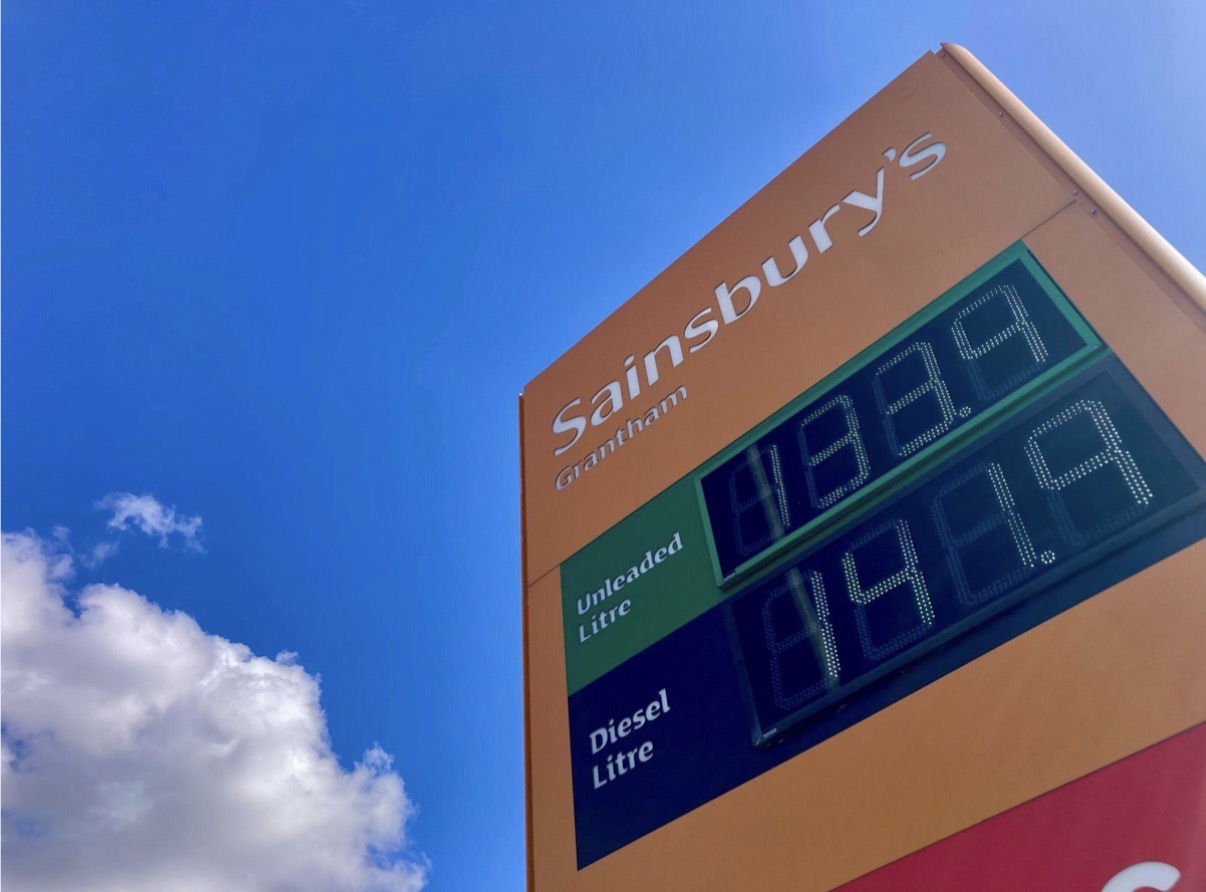
UK consumer price inflation rose to 3.5% in the year to September 2026. That was up from 3.1% in August and above the 3.4% forecasters had expected. For households, it means a further squeeze on real incomes. Currency markets took a different view, and the pound strengthened on the day of the release.
The explanation lies in the link between inflation, central bank policy and the returns investors can earn on sterling assets.
What the September Inflation Data Showed
The Office for National Statistics’ September inflation bulletin identified transport as the largest source of upward pressure. Motor fuel prices were 29.8% higher than a year earlier, and petrol averaged 169.5p a litre, its highest level since August 2022. Much of this reflects the conflict in the Middle East, which has kept oil and refined fuel prices high for most of the year.
An energy shock is a textbook example of cost-push inflation, and central banks often look through it. The more significant detail sat beneath the headline. Core CPI, which excludes energy, food, alcohol and tobacco, rose from 2.6% to 2.8%, while services inflation climbed from 3.4% to 3.7%. Services prices are closely tied to domestic wage costs, so the Bank of England treats them as a guide to how persistent inflation is likely to be.
Why Higher Inflation Can Support the Pound
In the short term, exchange rates respond less to inflation itself than to what markets expect the central bank to do about it. Anyone watching GBP/USD or EUR/GBP on TradingView in the days after the release would have seen sterling firm as traders priced in tighter policy. By the following day, Reuters reported the pound trading around $1.34, having been the best-performing major currency against the dollar over the previous month.
The economic mechanism driving this is relatively simple. Expected rate rises make sterling deposits and gilts more attractive. Foreign investors who want those returns must first buy pounds, which lifts demand for the currency.
Interest Rate Differentials and the Carry Trade
What matters most is the gap between UK rates and those elsewhere. According to Reuters, money markets were pricing at least three quarter-point hikes from the Bank of England by April, with the first expected in November, against roughly two from the European Central Bank.
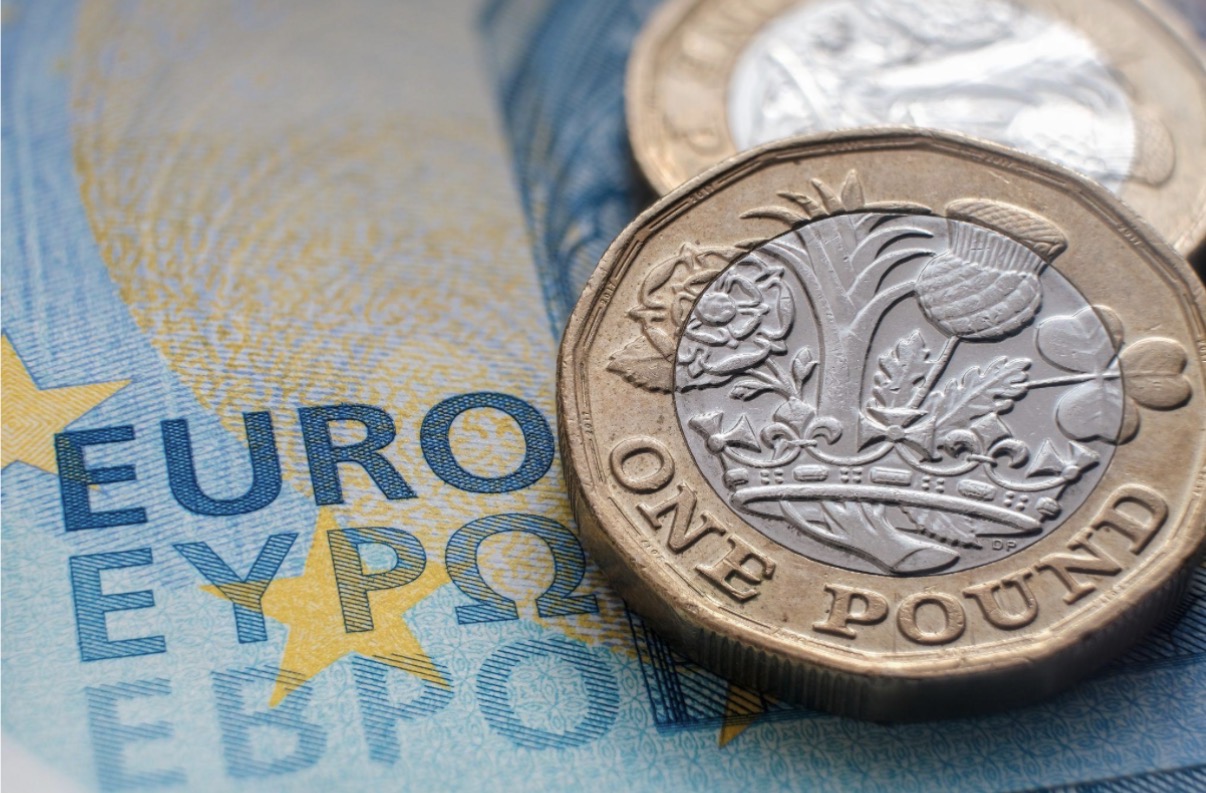
A widening differential encourages carry trades. An investor borrows in a lower-yielding currency such as the euro, converts it into a higher-yielding one such as sterling, and earns the interest gap, provided the exchange rate does not move sharply the wrong way. Strategists at ING now see sterling as a high-carry European currency, and the euro was on course for a fourth straight weekly fall against the pound. Worries over French public finances, which pushed French bond yields to 24-year highs while gilt yields held steady, have added to the euro’s weakness.
When Inflation Weakens a Currency Instead
Higher inflation is not reliably good for a currency. Over longer horizons, purchasing power parity suggests that a country with persistently higher inflation should see its currency depreciate as its exports lose competitiveness.
Credibility also matters. In 2022, UK inflation was on its way to a peak of 11.1%, yet sterling fell to an all-time low of about $1.03 against the dollar in late September. The trigger was the unfunded mini-budget, which led investors to doubt that fiscal and monetary policy were working together. Inflation paired with a central bank seen as willing to act is a very different proposition from inflation paired with policy confusion.
Real interest rates matter too. With Bank Rate at 3.75% and CPI at 3.5%, the real policy rate is barely positive. If prices keep rising faster than rates, that cushion disappears.
What Markets Expect From the Bank of England
Bank Rate has stood at 3.75% since December 2025. At its September meeting, the Monetary Policy Committee voted 6-3 to hold, with Megan Greene, Catherine Mann and Huw Pill backing a rise to 4%. The Bank’s own projections, publishedalongside that decision, have CPI reaching slightly above 4% in early 2027.
The latest figures strengthen the hawkish minority’s case. The question for the other six members is whether energy costs are now feeding into wage settlements and services prices, the second-round effects that turn a one-off shock into persistent inflation. Chancellor John Healey’s first Budget at the end of October adds a further variable, since any loosening of fiscal policy could reinforce pressure for higher rates.
Summing Up the Bigger Picture
Sterling’s recent strength is a clear illustration of how expectations move markets. The pound did not rise because of inflation alone, rather it rose because investors concluded the Bank of England is likely to respond more forcefully than the ECB.
That relationship can reverse. Weaker growth, a softer message from the MPC or fresh doubts about public finances could turn the same inflation data into a drag on the currency. For now, the rate outlook is doing most of the work.