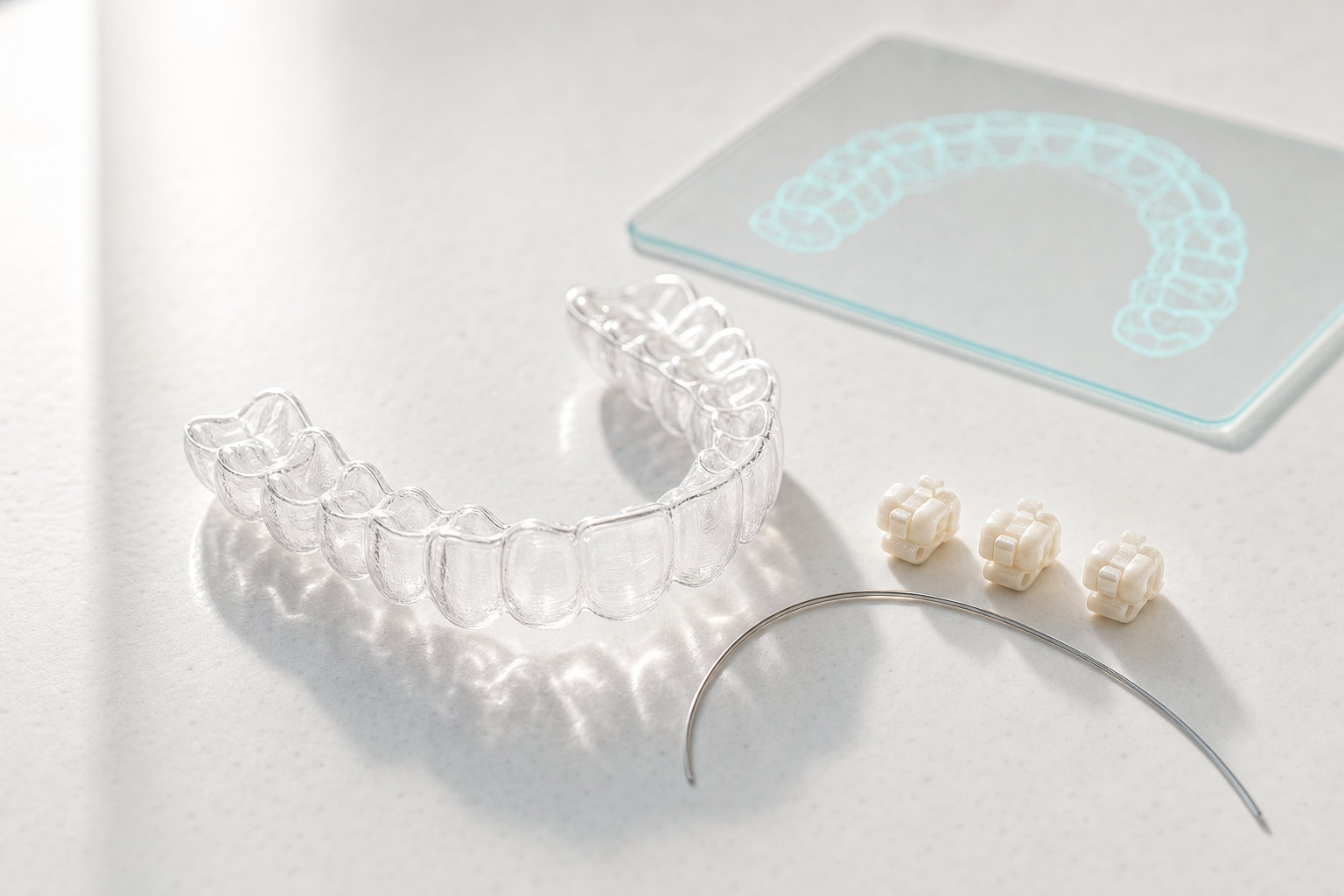
Adults are increasingly exploring orthodontic treatment, thanks to recent advancements that offer greater comfort, discretion, and predictability. Modern technologies and techniques have made orthodontic treatment more accessible, effective, and compatible with the needs of adults seeking improvements in dental function and aesthetics.
The surge in adult interest in orthodontic care is driven by clinical progress and evolving public attitudes. Many adults now seek improved function and aesthetics after adolescence. Modern options are less conspicuous and more adaptable, making them attractive to working professionals and people with demanding schedules. As the field continues to develop, orthodontics in Readingdemonstrates how adult-focused advancements are offering improved treatment experiences and outcomes.
New approaches transforming adult orthodontic treatment
Modern orthodontics includes several techniques that differ from traditional metal braces. Clear aligners, updated bracket systems, digital planning, and advanced materials have all contributed to expanded treatment options for adults. These methods can address cosmetic and complex clinical needs while accommodating adult routines.
Clear aligners have become a commonly chosen option, using nearly invisible plastic trays to straighten teeth. Contemporary fixed braces also feature smaller brackets, tooth-coloured materials, and improved wiring systems designed to reduce discomfort and improve efficiency. Together, these developments support the current direction of adult orthodontic care.
Another significant advancement in adult orthodontics involves accelerated treatment protocols that can reduce overall treatment duration. These methods may include supplementary techniques that stimulate bone remodelling, allowing teeth to move more efficiently. Some approaches combine traditional orthodontic appliances with adjunctive procedures designed to enhance the biological response to tooth movement. While not suitable for every case, these accelerated options appeal to adults who wish to minimise the time commitment required for comprehensive orthodontic correction, making treatment more compatible with professional and personal obligations.
Clear aligners and customised solutions for adults
Clear aligners may be well-suited to adults who value flexibility, discretion, and removability, as they can be taken out during meals and for cleaning, supporting oral hygiene and convenience. However, aligners require strict compliance and might not be appropriate for all types of tooth movement.
In some cases, fixed braces may still be needed, particularly when greater changes to bite alignment are required. For many adults, clear aligners can be effective for moderate or minor adjustments. When considering orthodontics in Brentwood, adults often weigh these different options based on their clinical needs and lifestyle preferences.
Hybrid treatment approaches are also gaining recognition, combining different orthodontic modalities to optimise outcomes for complex adult cases. Some treatment plans may begin with fixed appliances to address specific tooth movements, then transition to clear aligners for refinement and final adjustments. This sequential strategy allows clinicians to leverage the strengths of each system while minimising their respective limitations. For adults with particular aesthetic concerns or challenging bite relationships, these combined approaches offer a balanced solution that addresses both functional requirements and cosmetic preferences throughout different phases of treatment.
Digital tools improving assessment and treatment planning
Digital diagnostics now play an important role in adult orthodontics, allowing for detailed assessment and planning. Three-dimensional scans and simulations enable patients and providers to preview anticipated results before treatment begins. This visualisation can help clarify treatment options and expected movement.
Advanced imaging technologies can identify factors that may influence orthodontic care, such as gum health or a history of dental procedures. Simulations can show how different interventions may progress, providing helpful information for planning and monitoring. These tools support transparency and patient involvement throughout treatment.
Personalising treatments for adult oral health needs
Adults often face unique oral health considerations that can affect orthodontic planning and outcomes. Factors such as previous restorative dental work, gum conditions, or teeth grinding may influence the choice of appliances and long-term retention strategies. Thorough assessment of these issues is important for safe, suitable treatment results.
Providers may adapt materials and forces for each adult patient to minimise risks such as root resorption or relapse. Attention to these details helps tailor treatment to both cosmetic goals and long-term oral health stability. Treatment planning should account for individual dental histories and ongoing care needs.