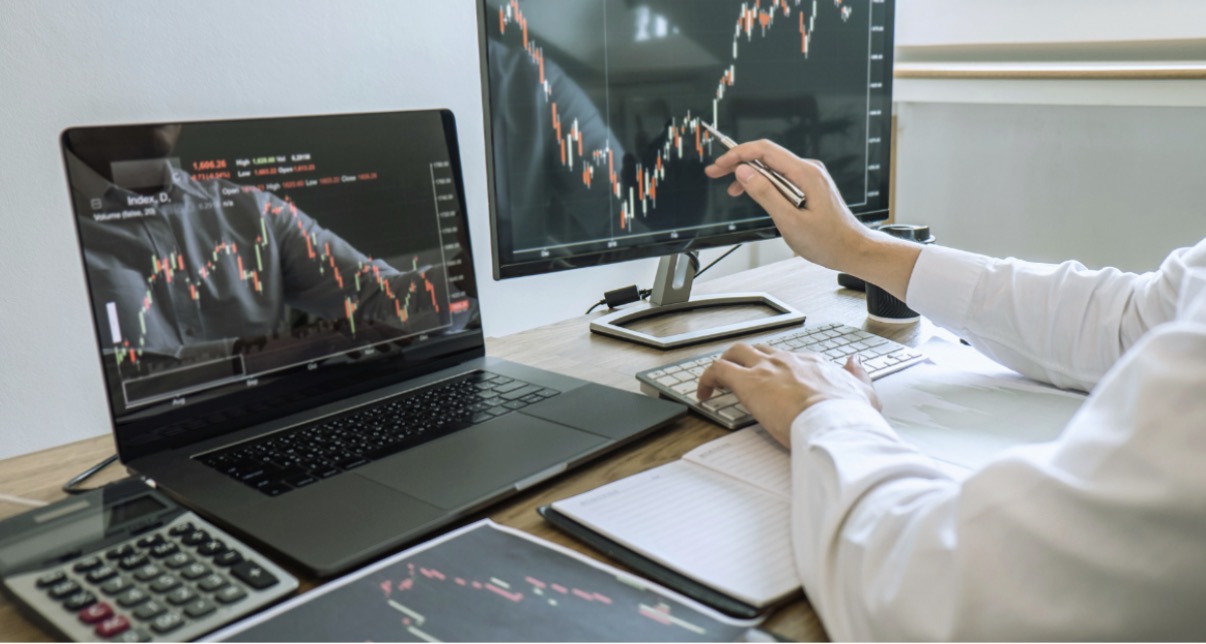
Successful trading is not based on luck or guesswork. Behind every profitable trader is a tested and refined system built on data, discipline, and consistency. One of the most important steps in developing a reliable trading system is backtesting. Whether you are trading stocks, forex, cryptocurrencies, or commodities, backtesting helps you evaluate how a strategy would have performed in past market conditions before risking real money. Platforms and educational resources like trulydivine often emphasize the importance of testing strategies thoroughly to improve decision-making and reduce emotional trading mistakes.
What Is Backtesting?
Backtesting is the process of applying a trading strategy to historical market data to determine how it would have performed in the past. The idea is simple: if a strategy showed strong and consistent results over historical data, it may have the potential to perform well in future market conditions.
Backtesting allows traders to analyze important metrics such as:
While past performance never guarantees future results, backtesting provides valuable insight into whether a strategy has a logical edge in the market.
Why Backtesting Is Important
Many beginner traders jump into the market without testing their ideas. This often leads to emotional decisions, inconsistent trading, and unnecessary losses. Backtesting helps eliminate uncertainty by replacing assumptions with evidence.
Here are some major benefits of backtesting:
Builds Confidence
When traders see that a strategy has worked over hundreds of historical trades, they become more confident in following the system during live trading.
Helps Identify Weaknesses
Backtesting can reveal flaws in a strategy, such as poor performance during volatile markets or high drawdowns during certain conditions.
Improves Risk Management
Testing allows traders to understand how much risk a strategy carries and whether position sizing needs adjustment.
Saves Time and Money
Instead of learning expensive lessons in live markets, traders can refine strategies using historical data before risking capital.
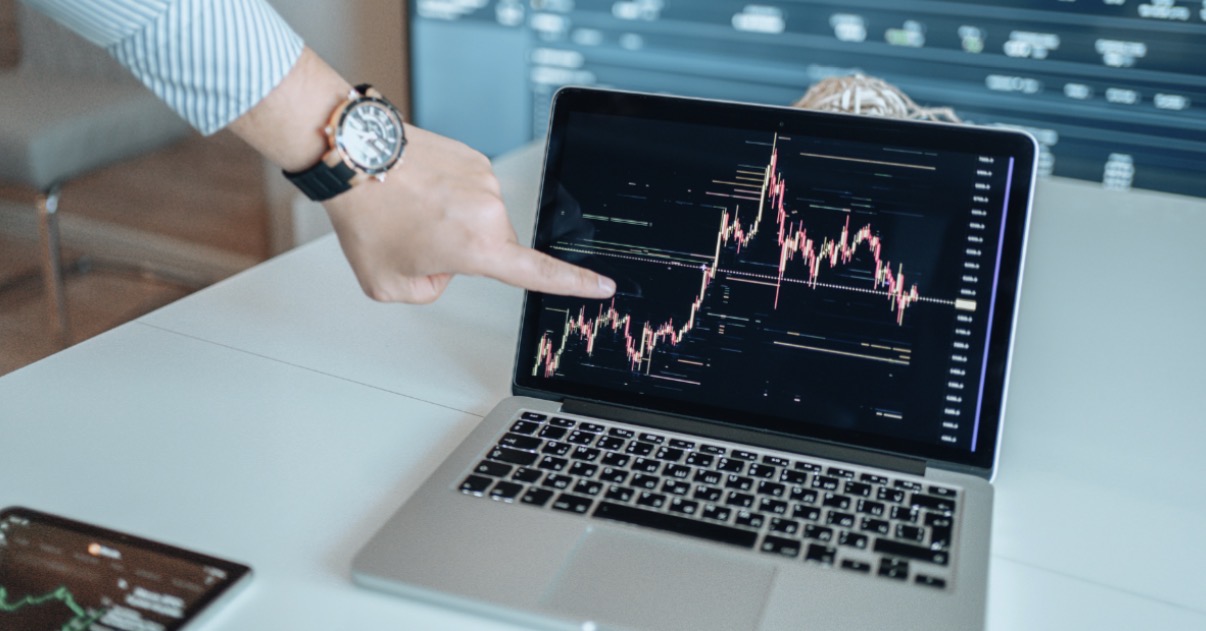
Types of Backtesting
There are two primary ways traders backtest strategies.
Manual Backtesting
Manual backtesting involves scrolling through historical charts and identifying trade setups by hand. Traders record entries, exits, stop-loss levels, and profits in a spreadsheet.
This method is time-consuming but extremely useful for developing chart-reading skills and understanding price action.
Automated Backtesting
Automated backtesting uses software or algorithms to test a strategy on large amounts of historical data automatically. Trading platforms such as MetaTrader, TradingView, and NinjaTrader offer built-in testing tools.
Automated testing is faster and can process years of data in minutes. However, it requires clearly defined rules and may involve coding knowledge.
Steps to Backtest a Trading Strategy
Backtesting is most effective when done systematically. Below are the key steps involved.
Define Your Trading Strategy Clearly
Before testing begins, your strategy must have precise rules. Vague strategies cannot be tested properly.
Your strategy should clearly define:
For example, a moving average crossover strategy may state:
The more specific the rules, the more accurate the test results will be.
Choose Historical Data
The quality of your data directly impacts the quality of your backtest.
You should use:
A good backtest usually includes bullish, bearish, and sideways market environments to evaluate how the strategy performs under varying conditions.
For day traders, tick-level or minute-level data may be necessary. Swing traders may use daily or weekly charts.
Select a Backtesting Platform
There are many tools available for backtesting. Some popular options include:
Each platform offers different features depending on your experience level and trading style.
Beginners often prefer user-friendly platforms with visual charting tools, while advanced traders may use coding-based systems for deeper analysis.
Run the Backtest
Once the strategy and data are ready, begin testing.
If using manual testing:
If using automated testing:
Consistency is critical. Do not skip losing trades or modify rules halfway through the process.
Analyze the Results
After testing is complete, evaluate the strategy carefully.
Important metrics include:
Win Rate
This measures the percentage of trades that were profitable.
A high win rate is helpful, but it does not guarantee profitability if losses are much larger than gains.
Risk-to-Reward Ratio
This compares potential profit to potential loss on each trade.
For example, risking $100 to make $300 gives a 1:3 risk-to-reward ratio.
Maximum Drawdown
Drawdown measures the largest decline in account balance during testing.
Large drawdowns may indicate excessive risk.
Profit Factor
This compares total profits to total losses.
A profit factor above 1 generally indicates a profitable strategy.
Consistency
Look for stable performance over time rather than a few large winning trades.
Avoid Common Backtesting Mistakes
Many traders make errors that lead to unrealistic results. Understanding these mistakes can improve the accuracy of your testing.
Overfitting
Overfitting happens when traders adjust a strategy too much to match historical data perfectly.
A strategy that fits past data too precisely may fail in real market conditions.
Ignoring Trading Costs
Commissions, spreads, and slippage can significantly affect profitability.
Always include realistic trading costs in your testing.
Using Too Little Data
Testing only a few weeks or months of data may produce misleading results.
Use enough historical data to capture different market cycles.
Emotional Bias
Traders sometimes unconsciously ignore losing trades or adjust rules during testing.
Stay objective and follow the system exactly as written.
Forward Testing After Backtesting
Backtesting should not be the final step. After a strategy performs well historically, traders should move to forward testing.
Forward testing involves using the strategy in real-time market conditions, often on a demo account.
This helps confirm whether the strategy works outside historical data and reveals practical issues such as execution speed and emotional pressure.
Can Backtesting Guarantee Success?
No trading strategy is perfect, and backtesting cannot predict the future with certainty. Markets constantly evolve due to economic changes, news events, and shifting investor behavior.
However, backtesting dramatically improves a trader’s preparation and understanding. It helps traders identify systems with positive expectancy and avoid random decision-making.
Think of backtesting as a way to build statistical confidence rather than seeking guaranteed outcomes.
Final Thoughts
Backtesting is one of the most valuable skills a trader can develop. It transforms trading from speculation into a structured and data-driven process. By testing strategies on historical data, traders can evaluate performance, improve risk management, and gain confidence before entering live markets.
The key to successful backtesting lies in discipline, accurate data, and realistic expectations. A well-tested strategy may not win every trade, but it can provide a long-term edge when combined with proper execution and emotional control.
Whether you are a beginner learning the basics or an experienced trader refining advanced systems, backtesting remains an essential part of building sustainable trading success.