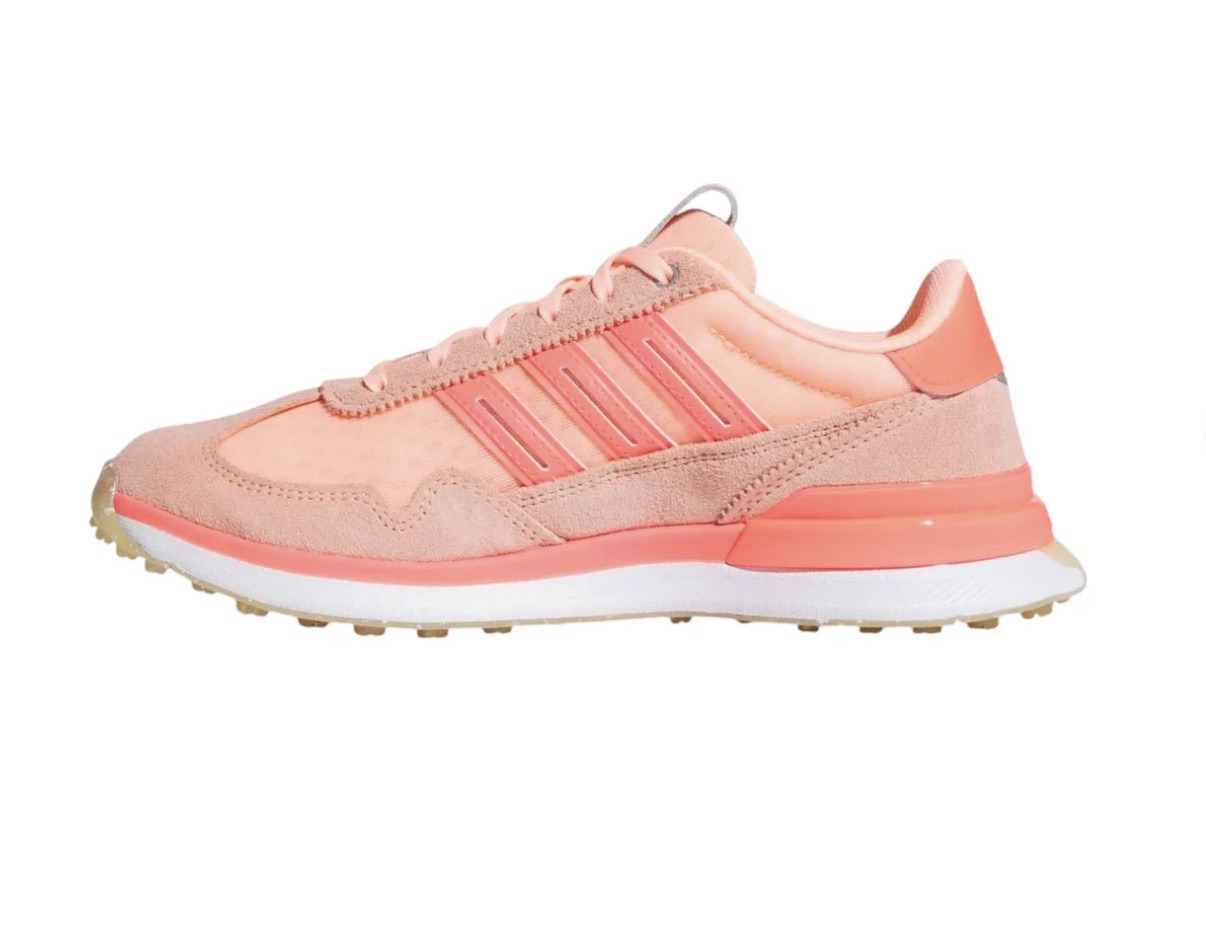
Golf footwear has an important job to do. It must provide enough grip for a stable swing, remain comfortable across several miles of walking, and protect the feet from changing course conditions. For women who play regularly, the right pair can make a noticeable difference to comfort, balance, and confidence.
Modern golf footwear is available in a wide range of designs, from lightweight trainer-style models to fully waterproof spiked shoes. Choosing between them depends on foot shape, playing conditions, personal style, and how often the shoes will be worn.
Why Proper Golf Footwear Matters
A golf swing places pressure through the feet as the body rotates and weight transfers from one side to the other. Footwear that lacks grip or support can allow unwanted movement, particularly on wet grass or uneven ground.
Purpose-built Golf Shoes are designed to provide traction while supporting the natural movement of the foot. They may also include cushioning, reinforced heels, waterproof materials, and structured soles to improve comfort throughout a round.
Ordinary trainers can be comfortable, but they may not offer the same level of stability or weather protection on the course.
Choosing Between Spiked and Spikeless Shoes
Both spiked and spikeless designs can perform well. The best choice depends mainly on the conditions in which a golfer usually plays.
Spiked Golf Shoes
Spiked shoes feature cleats across the sole to create stronger contact with the ground. They are often preferred during wet weather, on soft turf, or across hilly courses.
The extra traction can help golfers maintain a secure base during the swing. It can also provide reassurance when walking across damp slopes and muddy ground.
Some models use replaceable spikes, which allows worn cleats to be changed without replacing the entire shoe.
Spikeless Golf Shoes
Spikeless shoes use rubber lugs, ridges, or textured patterns to provide grip. They are often lighter and more flexible than traditional spiked models.
Their trainer-style appearance makes them convenient for practice sessions, golf holidays, and casual wear around the clubhouse. They are particularly suitable for dry summer rounds and courses with firm ground.
Modern spikeless designs can still provide strong traction, although spiked footwear may remain the better option in very wet conditions.
Features to Look for in Ladies’ Golf Shoes
Fit and performance should take priority over appearance, although modern designs offer plenty of stylish options.
A Secure and Comfortable Fit
Golf shoes should hold the heel securely without squeezing the toes. The foot should not slide inside the shoe when walking or swinging.
Feet may swell slightly during a long round, especially in warm weather. It is therefore important to leave enough room around the toes while maintaining support through the midfoot.
Trying shoes with golf socks can provide a more realistic indication of how they will feel on the course.
Suitable Width
Foot shape varies considerably, so standard sizing may not tell the full story. Some golfers require a narrow fit, while others need wider footwear for comfort.
When comparing Ladies Golf Shoes, check whether different width options are available. The correct width can help prevent pressure points, rubbing, and unnecessary movement.
Cushioning and Arch Support
A round of golf can involve several hours of walking and standing. Good cushioning helps absorb impact, particularly on firm fairways and hard paths.
Support through the arch and heel can also improve comfort. The midsole should feel cushioned without becoming so soft that it reduces stability during the swing.
Waterproof Protection
Waterproofing is especially useful for golfers playing in the UK. Morning dew, wet rough, and unexpected showers can quickly make ordinary footwear uncomfortable.
A waterproof membrane or treated upper can help keep feet dry. Breathability is also important, as shoes should allow heat and moisture to escape during warmer rounds.
Sole Grip
The outsole should provide dependable grip in the areas where pressure is greatest. Pay attention to the heel, forefoot, and outside edges of the sole.
Golfers with a powerful swing or those playing on sloping courses may prefer a more structured outsole with deeper traction.
Matching Shoes to Course Conditions
Different playing environments may require different footwear.
Wet and Muddy Conditions
Waterproof spiked shoes are often the most practical choice during autumn and winter. Deep traction can improve stability on soft ground and slippery slopes.
Shoes made from easy-to-clean materials can also save time after muddy rounds.
Dry Summer Courses
Spikeless shoes with breathable uppers are well suited to warm and dry conditions. Lightweight construction can reduce fatigue during longer rounds.
Hilly Courses
A secure heel, strong outsole, and reliable fastening system are important when walking across slopes. The shoe should hold the foot firmly without creating pressure.
Golf Holidays
Versatile spikeless shoes are convenient for travel because they can often be worn away from the course. This may reduce the amount of footwear needed in luggage.
Laces and Alternative Fastening Systems
Traditional laces allow golfers to adjust the fit across different areas of the foot. They are familiar, easy to replace, and available on a wide range of styles.
Dial-based fastening systems use a cable that tightens around the foot. They can be adjusted quickly and may provide even pressure.
The best option is largely a matter of preference. Both systems can provide a secure fit when the shoe is correctly sized.
How to Care for Golf Shoes
Proper maintenance can help footwear last longer and continue performing effectively.
Remove mud and grass after every round using a soft brush or damp cloth. Clean the sole carefully, as trapped debris can reduce traction.
Allow wet shoes to dry naturally in a ventilated area. Avoid placing them directly beside a radiator, as high heat may damage the materials and adhesives.
Removing the insoles can speed up drying. Shoe trees or loosely packed paper can also help the shoes maintain their shape.
Check spiked soles regularly and replace worn cleats when necessary.
Frequently Asked Questions
Should ladies’ golf shoes fit differently from trainers?
Golf shoes should generally feel more secure around the heel and midfoot. There should still be enough space for the toes to move comfortably.
Are spikeless shoes suitable for wet weather?
Many spikeless shoes perform well in light rain and damp conditions. Traditional spikes may provide better grip on very soft or muddy ground.
Is it worth buying waterproof golf shoes?
Waterproof footwear is a useful investment for golfers who play throughout the year or regularly encounter wet grass and rain.
How many pairs of golf shoes should a regular player own?
Many regular golfers benefit from owning at least two pairs. This allows wet shoes to dry properly and provides options for different course conditions.
How often should golf shoes be replaced?
Replacement depends on playing frequency, sole wear, waterproof performance, and overall condition. Shoes should be replaced when grip, support, or comfort noticeably declines.
Conclusion
The right ladies’ golf shoes should provide a combination of comfort, stability, traction, and weather protection. Spiked designs are often ideal for wet or hilly courses, while spikeless options offer lightweight flexibility and everyday convenience.
By considering fit, width, cushioning, waterproofing, and typical playing conditions, golfers can choose footwear that supports every part of the round. A well-fitted pair can reduce fatigue, improve confidence, and provide a more secure foundation for the swing.