
A leak in your heating rarely announces itself with a gush of water. More often it shows up as a boiler that keeps losing pressure, a faint stain on the ceiling, or a radiator that never quite warms up. The good news is that a torch, a dry tissue and some patience will find many leaks.
Start With the Boiler Pressure Gauge
Your boiler’s pressure gauge is the best early warning you have. On most sealed systems, the needle should sit somewhere around 1 to 1.5 bar when the heating is cold.
If you top the pressure up and it drops again within a few days, water is escaping somewhere. A steady fall points to a slow leak. A sudden drop suggests something bigger that needs attention straight away.
Look for the Tell-Tale Signs Around the House
Walk around your home and look for:
Stains on a downstairs ceiling are a strong hint that a pipe or radiator above is the culprit.
Check Radiators, Valves and Pipework
Most leaks happen where parts join together. Wipe each radiator valve, the bleed screw and any visible pipe joints with a dry tissue.
Pay close attention to the valve nuts where the pipe meets the radiator. Also look under the boiler itself. A drip from the pressure relief pipe, which usually runs outside, can mean the pressure is too high rather than too low.
If a radiator has pinholes or rust patches on its body, it may be corroding from the inside. Sludge build-up can cause this, and it usually means the radiator needs replacing.
When the Leak Is Hidden
Some leaks hide under floors or behind walls. A few steps help narrow it down:
Do not start cutting into walls on a guess. If the pressure keeps dropping and you cannot see the source, it is time to call in a professional. Specialist central heating engineers in London can test the whole system, including pipework, pumps and valves, and find the leak without tearing up your home. They can also say if a power flush would help.
Stay Safe While You Look
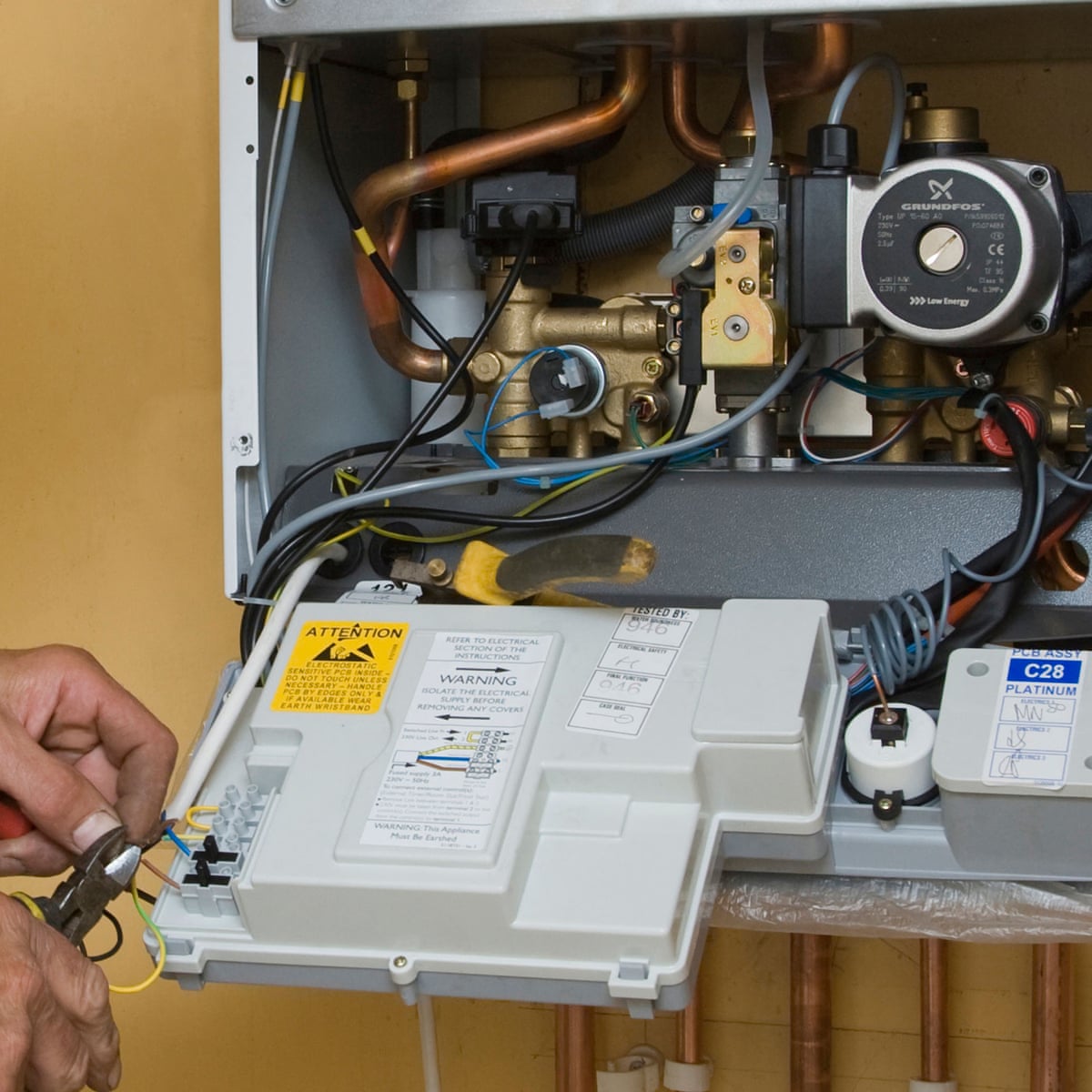
Never touch the inside of your boiler or its gas parts. Only a Gas Safe registered engineer should open the casing. If you smell gas, leave the property and call the National Gas Emergency number on 0800 111 999.
If water is near electrics, switch off the power at the consumer unit before you go any closer.
Small Leaks Grow, So Act Early
A slow drip might seem harmless, but over weeks it can rot timber, stain plaster and wear out your boiler as it keeps refilling. Check the gauge often, keep an eye on ceilings and joints, and get help once you have done the simple checks. Catching a leak early saves money, mess and a cold house in winter.