
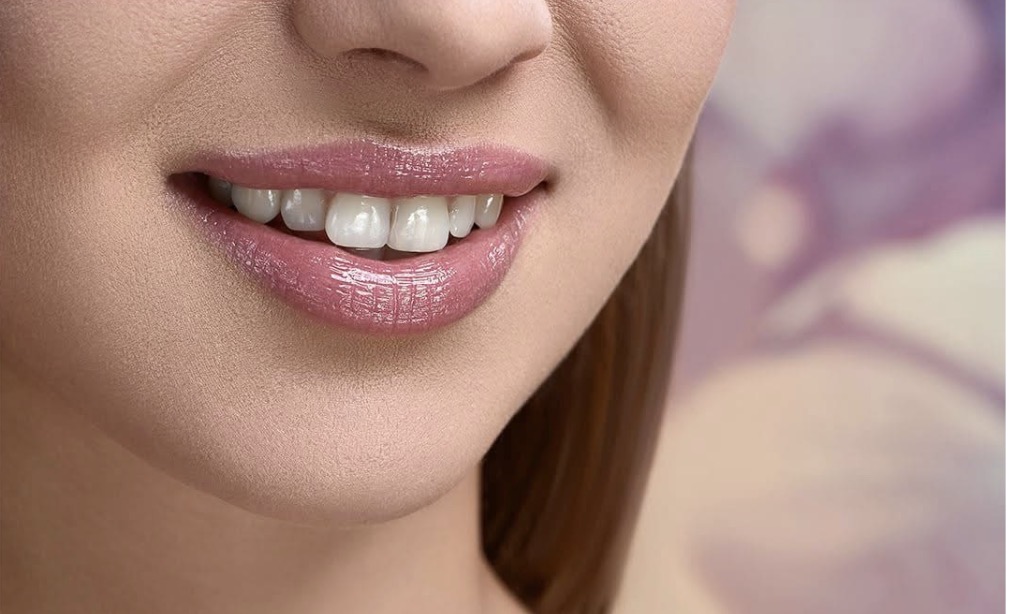
London’s cosmetic dental sector is now worth over £1 billion as more residents prioritise their appearance. This growth is visible across Marylebone and Harley Street, where new practices frequently replace old boutiques to meet the demand. While aesthetic work was once reserved for celebrities, office workers in the City are now the main clients for these procedures.
This shift reflects how much Londoners value self-confidence in a professional environment, and we’ll walk you through how this industry grew and what you will find inside these modern clinics.
Why Patients Leave the NHS for Private Clinics
Difficulty in finding NHS appointments means many Londoners are moving to the private sector for basic care. Once they switch for a routine check-up, they often discover aesthetic treatments they hadn’t considered before. Private practices in the City cater to busy workers by offering evening and weekend slots that the public sector simply can’t match.
These clinics focus on patient comfort with extras like noise-cancelling headphones and superior materials. Most patients see the higher price as a fair trade-off for the convenience and the extra time dentists spend explaining various procedures.
Fast Results Through Same-Day Marylebone Treatments
Time is a precious commodity in the capital, so the rise of fast dentistry has changed the market entirely. Patients no longer want to wait weeks for multiple appointments to see a difference in their smile. Instead of traditional methods, clinics now use digital impressions and on-site machines to create crowns or veneers in a single visit. This efficiency is a massive draw for people working in the City who can’t take days off for dental work.
Marylebone has become a hotspot for these fast-turnaround services. Reputable clinics, like Harley Teeth Whitening, in the area often acts as a starting point for many looking to refresh their appearance. Many clinics offer these brightening services because they provide instant results for the patient. This accessibility means that high-end dental care is now a regular part of a beauty routine for many Londoners.
How 3D Technology Changes the Patient Experience
Technology is the backbone of this industry. Most top-tier London clinics have moved away from messy putty moulds that patients used to find uncomfortable. They now use intraoral scanners that create a 3D map of the mouth in seconds.
This data allows dentists to show patients a digital preview of their new smile before any work begins. It is a helpful tool for building patient trust and clarity.
High-Tech Tools in the Surgery
These tools make treatments like clear aligners much more predictable. Here are some technological upgrades you will find in a modern London clinic:
- Digital X-rays that provide instant images for the dentist to review.
- Intraoral cameras that allow you to see what the dentist sees on a screen.
- AI-powered software that helps in designing natural-looking tooth shapes.
- 3D printers that can create temporary bridges right in the practice.
What It Costs for a Celebrity Smile in the Capital
The price of dental work in London varies significantly depending on the postcode and the reputation of the clinician. A full set of porcelain veneers in a Harley Street clinic can easily cost upwards of £20,000. However, many people are now opting for composite bonding as an alternative. This involves applying a resin to the teeth to fix chips or gaps and it costs a fraction of the price of porcelain.
Many clinics now offer finance plans to make the boom sustainable for a wider range of people. This allows patients to spread the cost of their treatment over several years with monthly payments. This financial flexibility will likely keep the London dental sector growing for the foreseeable future. As social media continues to influence aesthetic standards, more people will seek out these high-end services.
The Big Picture
The London cosmetic dentistry market shows no signs of slowing down as technology and consumer habits evolve. While the initial shift was driven by a lack of NHS access, the current growth is fueled by a desire for perfection.
As long as the capital remains a hub for success, the demand for bright smiles will continue to rise. People will keep investing in their teeth because a confident smile is now seen as a key asset in professional life.