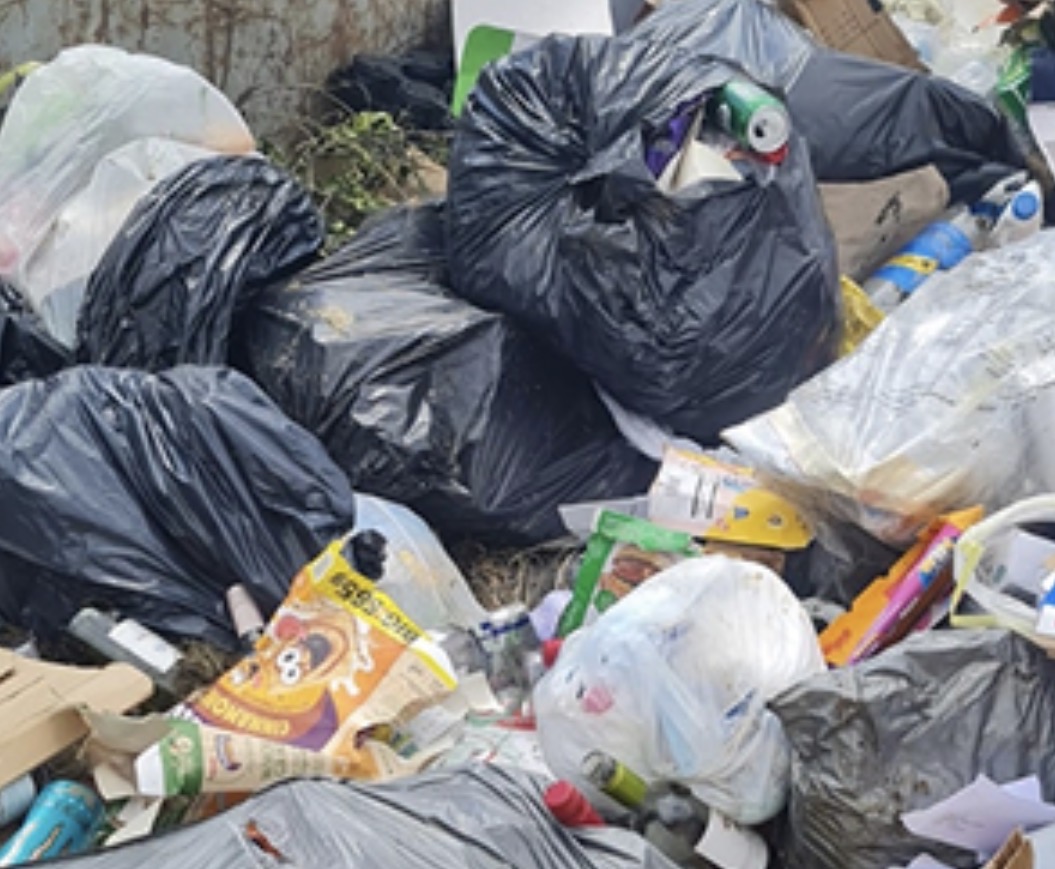
For many organizations, waste management sits quietly in the background of daily operations. It is often viewed as a routine facilities task rather than a strategic business consideration. Yet as operating costs rise and sustainability expectations become harder to ignore, businesses are starting to recognize that inefficient waste handling creates far more disruption than many initially assume.
From office buildings and retail spaces to industrial facilities and hospitality venues, the way waste is managed now affects everything from compliance and operational efficiency to public reputation and long-term costs.
Businesses that overlook this area often discover the consequences slowly. Overflowing bins, inconsistent collections, contamination issues, and unnecessary disposal costs can quietly undermine productivity and create avoidable operational friction.
The Growing Operational Pressure on Modern Businesses
Businesses across the UK are navigating a more demanding operating environment than ever before. Costs remain unpredictable, environmental regulations continue to evolve, and customers increasingly expect companies to demonstrate responsible practices beyond simple profit-making.
In this climate, operational efficiency has become a priority at every level of business management. Leaders are reviewing supply chains, energy use, staffing structures, and increasingly, how waste is handled internally.
Waste management may not always appear to be a major cost center at first glance, but inefficient systems often create hidden expenses over time. Excess collections, poor segregation practices, avoidable landfill charges, and wasted staff time all contribute to operational inefficiency.
At the same time, sustainability reporting and environmental accountability are becoming more visible across industries. Businesses are under greater pressure to show measurable progress, even in areas that were once treated as purely administrative.
Waste Management Is No Longer Just a Facilities Issue
Historically, waste collection was viewed as a straightforward logistical requirement. Bins were emptied, contracts renewed annually, and little further attention was given to the process.
That approach is changing rapidly.
Modern businesses now understand that waste management directly affects the day-to-day experience of employees, customers, contractors, and visitors. Poorly managed waste areas can impact hygiene, safety, workflow efficiency, and even brand perception.
For example, inconsistent disposal systems often create confusion among staff, particularly in shared workplaces or large commercial premises. When recycling systems are unclear or waste streams are mixed incorrectly, contamination increases and disposal costs rise.
Operationally, cluttered or poorly managed waste storage areas can also slow down routine tasks and create unnecessary maintenance problems.
As organizations pursue leaner, more efficient operational models, waste management is increasingly treated as part of wider workplace optimization.
The Financial Impact of Poor Waste Practices
The financial effects of inefficient waste management are often underestimated because they rarely appear as a single obvious expense.
Instead, the costs accumulate gradually through avoidable inefficiencies such as:
- Paying for unnecessary collection frequency
- Increased landfill charges
- Staff time spent dealing with waste issues
- Contamination penalties
- Missed recycling opportunities
- Inefficient use of storage space
Businesses that fail to review their waste processes regularly often continue operating under outdated collection schedules or unsuitable service agreements.
This is one reason many organizations are reassessing how they handle general waste as part of broader operational improvement initiatives. More tailored collection strategies can help reduce unnecessary collections while improving compliance and sustainability outcomes.
Importantly, improvements do not always require major infrastructure changes. In many cases, better waste segregation, clearer signage, and revised collection schedules can produce noticeable operational benefits.
Building a More Practical Waste Strategy
Effective waste management starts with visibility. Businesses cannot improve what they do not fully understand.
A practical waste strategy typically begins with a basic internal review:
Conduct a Waste Audit
Understanding the types and volume of waste being generated is essential. Many businesses discover that recyclable materials regularly end up in general waste streams, unnecessarily increasing disposal costs.
Improve Staff Awareness
Even well-designed systems fail without clear communication. Employees need simple guidance on how to separate waste and where different materials belong.
Short training sessions and clear signage can significantly reduce contamination issues.
Review Collection Frequency
Some businesses pay for collections that exceed actual operational needs, while others experience recurring overflow problems because collection schedules are insufficient.
Regular reviews help ensure services remain aligned with operational demands.
Work With Flexible Providers
Waste requirements change over time, particularly for growing businesses or organizations with seasonal demand fluctuations. Flexible collection arrangements often provide better long-term value than rigid contracts.
Sustainability Expectations Are Changing
Environmental responsibility is no longer limited to large corporations or heavily regulated sectors. Customers, employees, and investors increasingly expect businesses of all sizes to demonstrate practical sustainability efforts.
Waste reduction plays an important role in meeting these expectations because it represents a visible, measurable operational improvement.
Businesses that actively reduce their reliance on landfills and improve recycling performance are often better positioned to strengthen their reputations with environmentally conscious stakeholders.
Internally, sustainable practices can also improve employee engagement. Many workers now expect their employers to take environmental responsibility seriously, particularly younger professionals entering the workforce.
Importantly, sustainability improvements are most effective when they are practical and operationally realistic rather than purely performative.
Why Businesses Are Reviewing Their General Waste Processes
As businesses continue to search for ways to improve efficiency, waste management is becoming part of broader conversations about operational resilience and cost control.
Organizations are increasingly looking for solutions that offer:
- Better visibility into waste output
- Reduced landfill reliance
- More predictable collection schedules
- Improved recycling performance
- Lower long-term disposal costs
The shift reflects a broader understanding that waste management is not simply about disposal. It is about creating cleaner, safer, more efficient operational environments that support wider business goals.
Businesses that strategically address waste often find that relatively small operational improvements can yield meaningful long-term benefits.
In short,
Efficient waste management rarely attracts attention when everything works properly, but poor systems quickly create operational and financial problems that spread across a business.
As expectations around sustainability, efficiency, and compliance continue to grow, organizations are recognizing that waste handling deserves more strategic attention than it has traditionally received.
The businesses that approach waste management proactively are often better positioned to reduce unnecessary costs, improve workplace efficiency, and strengthen their environmental credibility.