
London has long held a unique position within the UK property market. As the country’s financial and cultural centre, the capital continues to attract businesses, professionals, students and international investors at a scale few cities can replicate.
While market conditions have shifted in recent years, demand for property in London remains remarkably resilient. Higher borrowing costs and affordability pressures have changed the pace of the market in some areas, but the underlying drivers supporting long-term demand continue to remain in place.
For investors taking a long-term view, the key question is no longer whether London remains relevant, but what continues to sustain demand in one of the world’s most competitive property markets.
A Global City With Long-Term Appeal
London’s position as a global city remains one of its greatest strengths.
The capital continues to attract international business, inward investment and skilled workers from across the world. Finance, technology, law, media and creative industries all maintain a significant presence within the city, supporting a vast employment market that feeds directly into housing demand.
This economic diversity is important. Cities reliant on a single industry are often more vulnerable during periods of uncertainty. London’s economy, by contrast, is supported by multiple sectors operating at international scale.
For property investors, strong employment activity creates long-term demand from professionals seeking access to jobs, transport connections and city-centre lifestyles.
Population Growth and Housing Pressure
One of the biggest factors supporting demand in London is the ongoing imbalance between housing supply and population growth.
The capital continues to attract new residents, including domestic movers, overseas workers and international students. However, housing delivery has struggled to consistently keep pace with this level of demand.
This creates pressure across both the sales and rental markets.
In the rental sector particularly, limited availability and sustained tenant demand continue to support occupancy levels across many boroughs. For landlords, this creates a market where well-located properties often remain highly competitive.
While affordability challenges have pushed some buyers and renters towards outer boroughs and commuter towns, demand across the wider London market remains substantial.
Why London Still Appeals to Investors
Despite higher entry prices compared to regional cities, London continues to attract investors because of its long-term stability and global reputation.
The capital is often viewed differently from other UK markets. Rather than focusing purely on short-term yield, many investors see London as a long-term asset backed by international demand and structural housing shortages.
This does not mean every area performs equally. Like any market, local factors matter. Transport links, regeneration, employment hubs and tenant demographics all influence performance.
However, London’s scale and economic importance continue to provide confidence for investors seeking exposure to one of Europe’s most established property markets.
The Rental Market Remains Strong
Rental demand remains one of the strongest drivers behind London property investment.
Professionals relocating for work, international students and younger renters seeking flexibility all contribute to sustained demand across the capital. In many areas, rental stock remains limited relative to the number of tenants searching for accommodation.
This has also increased demand for modern, energy-efficient homes that align with evolving tenant expectations. Developments close to transport hubs and employment centres continue to perform particularly well due to convenience and connectivity.
For investors assessing buy-to-let properties for sale in London, understanding local tenant demand is critical. Different boroughs attract very different renter profiles, and successful investments are usually those aligned with the needs of the surrounding market.
Regeneration Continues to Shape Demand
Regeneration remains one of the most influential forces within the London property market.
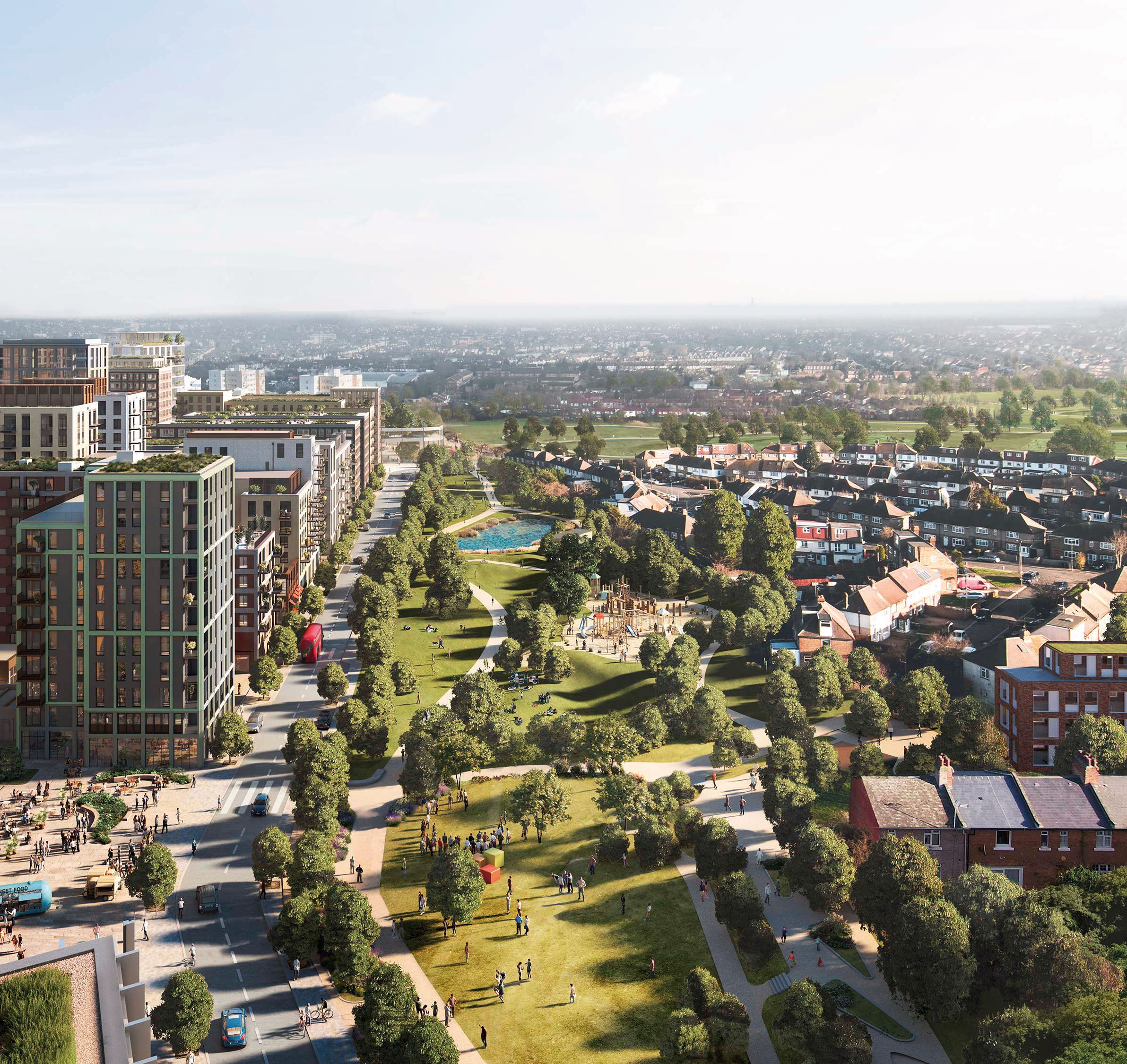
Large-scale infrastructure projects and redevelopment schemes continue to transform parts of the capital, opening up new residential and commercial opportunities. Areas once considered secondary locations are increasingly attracting attention due to improved connectivity and investment.
Transport upgrades in particular often have a significant impact on demand. Better connections reduce commuting times and make surrounding districts more attractive to both renters and buyers.
Investors who understand how regeneration influences long-term demand are often better positioned to identify areas with future growth potential rather than relying solely on established prime locations.
International Interest Remains a Key Driver
London’s international appeal continues to distinguish it from many other UK cities.
Overseas investors are drawn to the city for several reasons, including market transparency, legal protections and long-term economic significance. London property is often viewed internationally as a stable asset within a globally recognised city.
This international demand supports the wider market and contributes to liquidity across multiple price points.
Even during slower periods, London tends to remain active because demand is generated from both domestic and international buyers rather than relying on a single audience.
Different Areas, Different Strategies
One of the defining features of London is the diversity of its property market.
Prime Central London operates very differently from outer boroughs or emerging regeneration zones. Some investors prioritise long-term capital preservation in established locations, while others seek stronger rental income in areas benefiting from infrastructure improvements and affordability shifts.
There is no single strategy that works across the entire capital.
Success in London property investment usually comes from understanding how different boroughs function, who lives there and what continues to drive local demand.
The Importance of Long-Term Thinking
London has experienced multiple market cycles over the decades, yet demand for property within the capital has remained remarkably consistent over the long term.
This is why many investors approach London differently from regional markets. The focus is often less about short-term fluctuations and more about long-term positioning.
Strong global connectivity, limited housing supply and continued economic activity all contribute to the city’s long-term resilience.
For investors willing to adopt a patient approach, London continues to offer exposure to one of the world’s most established urban economies.
The Role of Professional Guidance
Given the size and complexity of the capital, many investors choose to seek support when navigating the London market.
A reputable property investment company can help investors assess local demand, compare borough performance and identify opportunities aligned with specific investment goals. This can be particularly useful for overseas buyers or those unfamiliar with the nuances of the capital’s submarkets.
However, regardless of support, successful investing still depends on understanding the fundamentals behind long-term demand.
Final Thoughts
London’s property market continues to evolve, but the foundations supporting demand remain strong.
Economic diversity, global connectivity, sustained rental demand and ongoing regeneration all contribute to the capital’s enduring appeal. While affordability pressures and changing market conditions have influenced buyer behaviour, London remains one of the world’s most significant property markets.
For long-term investors, the city continues to offer something few markets can replicate: scale, resilience and consistent global demand.