
Ask different sources how many people watched IPL 2026 and the answers differ. JioStar’s results for the April to June quarter put the audience at 1.2 billion across digital and television. The Houlihan Lokey valuation study landed on 1.18 billion. Different organisations produced the two numbers, for different reasons, and both are meant to cover every platform. Earlier tallies, taken while matches were still being played, were lower again. That is normal enough: a running total keeps climbing until the last ball of the final.
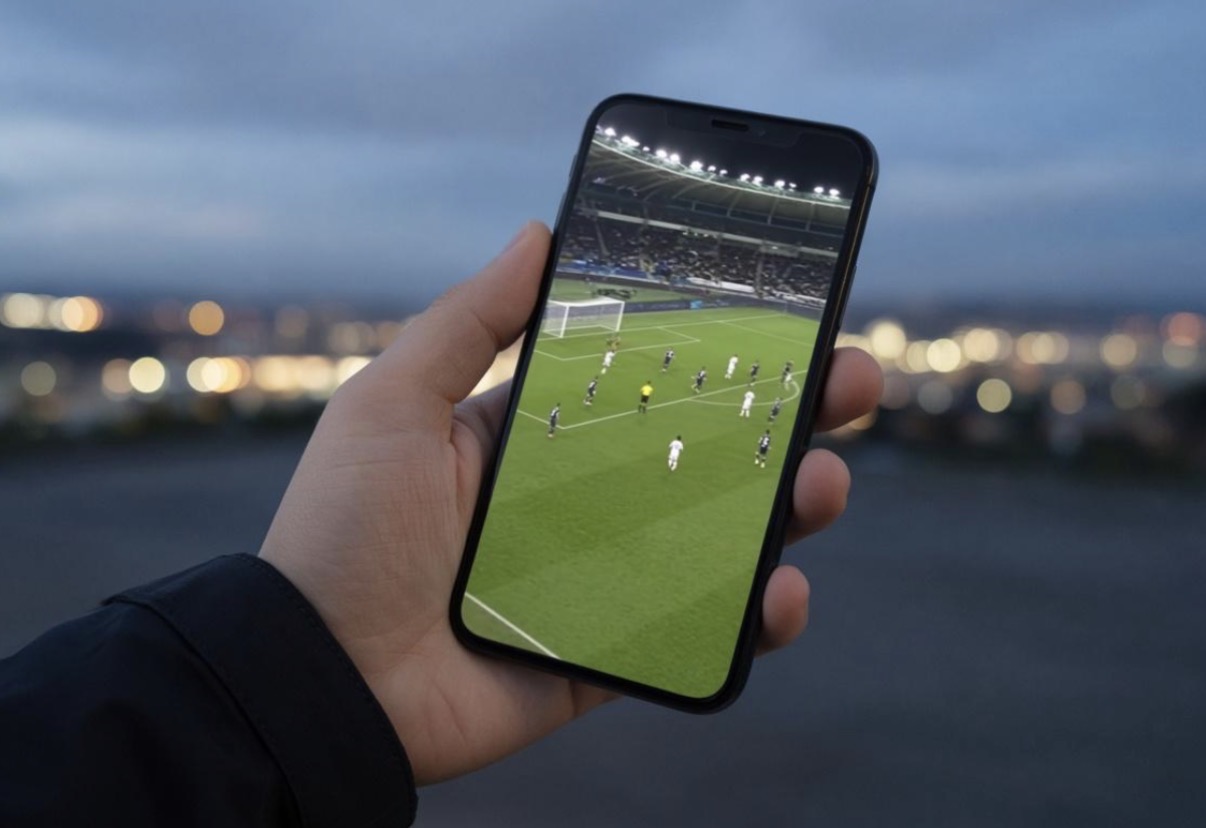
A large share of that audience comes through a phone or another connected screen. This shift matters beyond broadcasters, as sports news sites, live-score services and digital platforms, bizbet, operate in an increasingly mobile-focused environment. The reported figures, however, measure IPL viewership across platforms rather than traffic to any individual website or service.
Why the totals differ
Vocabulary is part of the problem. Reach counts anyone who tuned in even once, however briefly. Watch time adds up every minute. A screen is a device that was on, which is not the same thing as a person watching. The summaries reviewed do not share one set of definitions, so two honest totals can sit apart without either being wrong.
The digital split shows the same gap. JioStar attributes a very large part of its total to digital alone, while the valuation study gives a lower online figure. They cannot be placed side by side without knowing what each one counts and when the count was taken.
There is also the question of who is counting. JioStar is the broadcaster and streaming operator, so its release describes its own platforms. Houlihan Lokey’s study was prepared to value the league, and for television it relies on ratings from BARC India and TAM Sports. Each source stresses what it was written to show.
Opening weekend gives a feel for the scale. Reach ran to hundreds of millions of viewers, and watch time ended well above the 2025 opener.
From television to the phone
The clearest movement is on the television side. According to the Houlihan Lokey study, average television ratings fell 18.8 percent this year. The same study estimates that OTT and mobile platforms now account for 44.8 percent of viewership in India, ahead of both cable and satellite.
Television is far from empty, though. On linear TV the JioStar network still reached hundreds of millions of viewers, according to BARC data, and JioHotstar’s monthly user count in the quarter was the highest the service has recorded. The tournament itself ran on dozens of feeds in a dozen languages.
Digital is not the same as phone. Connected TV was the fastest-growing platform during the tournament, growing faster than digital reach as a whole. Part of the online audience is therefore watching on a living-room screen, and the phone’s share of the total is smaller than the digital figure suggests.
Peak moments test the system hardest. JioStar said JioHotstar set a world-record peak concurrency of 72.5 million viewers during India’s win at the ICC T20 World Cup 2026. The figure comes from JioStar’s own statement, and the opening weekend of IPL 2026 also brought a clear jump in concurrent viewing.
A match day on one battery
App clutter builds quietly. A streaming service, a scores app, a payments tool and a bizbet апп татах all take storage and can run in the background, so a short list is easier to manage. Files are best taken from official stores or a publisher’s own pages, not from links forwarded in messages.
Live video is among the heavier things a phone does, for battery and for data, and a few habits help on a long match day:
Live streams run a few seconds behind the action, sometimes more, so a score alert from another app can arrive before the moment appears on screen.
What the figures cannot say
The numbers come from a broadcaster’s own releases and from one valuation study. No figure here separates smartphone viewers from everyone else, and the public summaries leave out how screens, viewers and reach were counted. Comparing future releases would be simpler if each stated its definition, its time period and whether connected TV was counted.