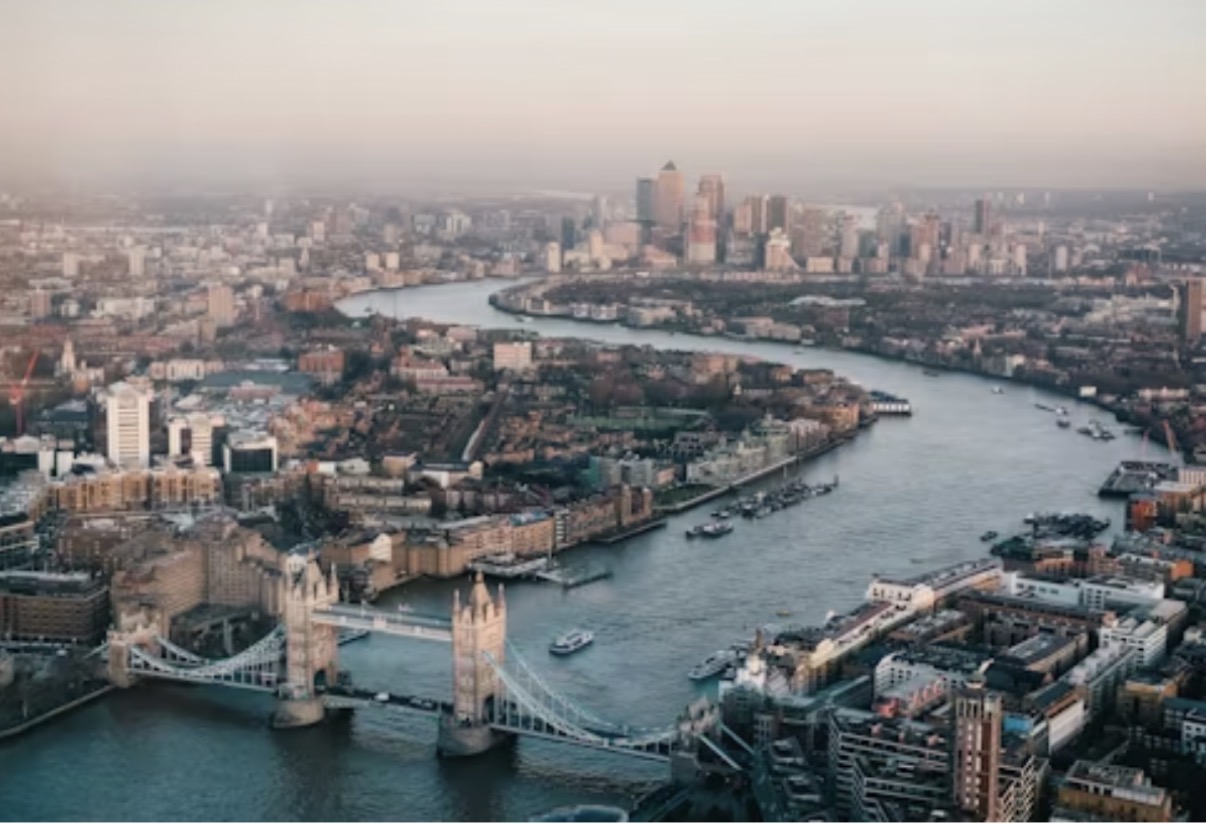
London is a city that is often hard to define and pin down. There’s no doubt, though, that it’s a bustling area that’s the driver of the UK economy and a multicultural and cosmopolitan place that’s world-renowned as a global hub.
The truth is that many businesses are operating on a global level while keeping a local feel. That’s made possible through technology. For example, sites like egon.com fill in the gaps when it comes to global data. Companies can leverage their local knowledge and get global address validation to adapt their services for international customers.
London seems to be treading that same line, focusing on the local, without losing the advantages of being global. What does that really look like?
London: A Global City
There’s no doubt about London’s global city status. Research into the topic typically lists London as number one when it comes to global cities. There are quite a few ways to define that, but it often comes down to several characteristics.
The main criteria are London’s position as an international power, the international population, and the companies that are attracted to have offices there. Of course, there are international influences in the food, fashion, art and other trends, too.
What Makes a City Local?
It’s pretty easy to see how global London is, but how is it becoming more local? Well, a few factors are at play that are shaping the city as a whole and specific boroughs. The four key characteristics of the city’s local profile are infrastructure, community and economics.
Community
One significant recent change that will help London’s communities flourish is the English Devolution and Community Empowerment Bill.
It gives local authorities and communities more of a say over transport, the sale of community assets, gambling shops, planning applications and economic policies.
More importantly, the two factors below are helping people spend more time, money and effort in their neighbourhoods to build a sense of community.
Economics
Decentralised remote working hubs are playing a role in keeping people in their London borough, which keeps them in the neighbourhood.
The Local London initiative is also playing a role. It’s a partnership between nine boroughs in East London that supports the economic growth of the boroughs, while also tackling brownfield development and workforce development.
Infrastructure
Local co-working spaces and flourishing high streets help to keep people nearby. Housing and appropriate amenities also play a role. There’s often some conflict in this area, as rising housing costs and gentrification are still apparent, but trends towards a local approach are visible.
The Possibilities of Global and Local
With local initiatives, devolution laws and tech that is global, it’s possible for London to embody the characteristics of a local and global city. The balance to achieve the best of both worlds is a challenging one to obtain, but if it’s possible anywhere, it’s in this dynamic place.
With the right intent, London can become a place for communities with the benefits of a global hub.