
Looking to detach from the daily hustle and bustle? Tired of rushing around, trying to catch up on things that always seem to be one step ahead? Searching desperately for a chance to sit back, slow down, and simply unwind for a minute? Caught in such a predicament, you’re more likely to think about taking a deep breath than a sip of coffee. After all, that lovely cuppa does the exact opposite: instead of making you feel calm and grounded, it makes you faster, more driven, more productive… right? That’s true to an extent—and yet many coffee drinkers are now redefining their beloved brew. Let’s take a moment to explore the concept of slow living, and see what our daily caffeine fix has to teach us about taking it slow.
Slow Brews for Slow Lives: The Origins of Slow Living
You’ve probably heard the term “slow living”—or at the very least saw the hashtag on Instagram. In a way, it’s the logical offshoot of today’s toxic productivity culture: having burnt themselves to a crisp, more and more high-powered executives and career-driven young professionals grow disillusioned with the corporate world of Zoom calls, tight deadlines, and late-night meetings. There’s a steady stream of ex-workaholics signing off and plugging out in favour of a slower, more mindful, less stressful existence. Where did it all start? As it happens, the birthplace of the slow living trend is also the epicentre of modern coffee culture: it’s none other than Italy!
The hunt for a slow life first emerged as a response to fast food. In the 1980s, plans to open a McDonald’s near Rome’s iconic Piazza di Spagna were announced. Thousands of locals went out to the streets to protest the arrival of the fast food giant in a place so emblematic of the Italian way of life. The plans went ahead anyway, but a countermovement had been sparked. It gave rise to the concept of “slow food”—the exact opposite of the experience offered by fast food chains. Focused on local ingredients and regional flavours, it encouraged people to sit down and enjoy their meals—or their rich Italian espressos—instead of speeding their way through them. The idea of slowing down gradually permeated other areas of life, both in Italy and elsewhere: from slow fashion to slow travel to a slower approach to living in general.
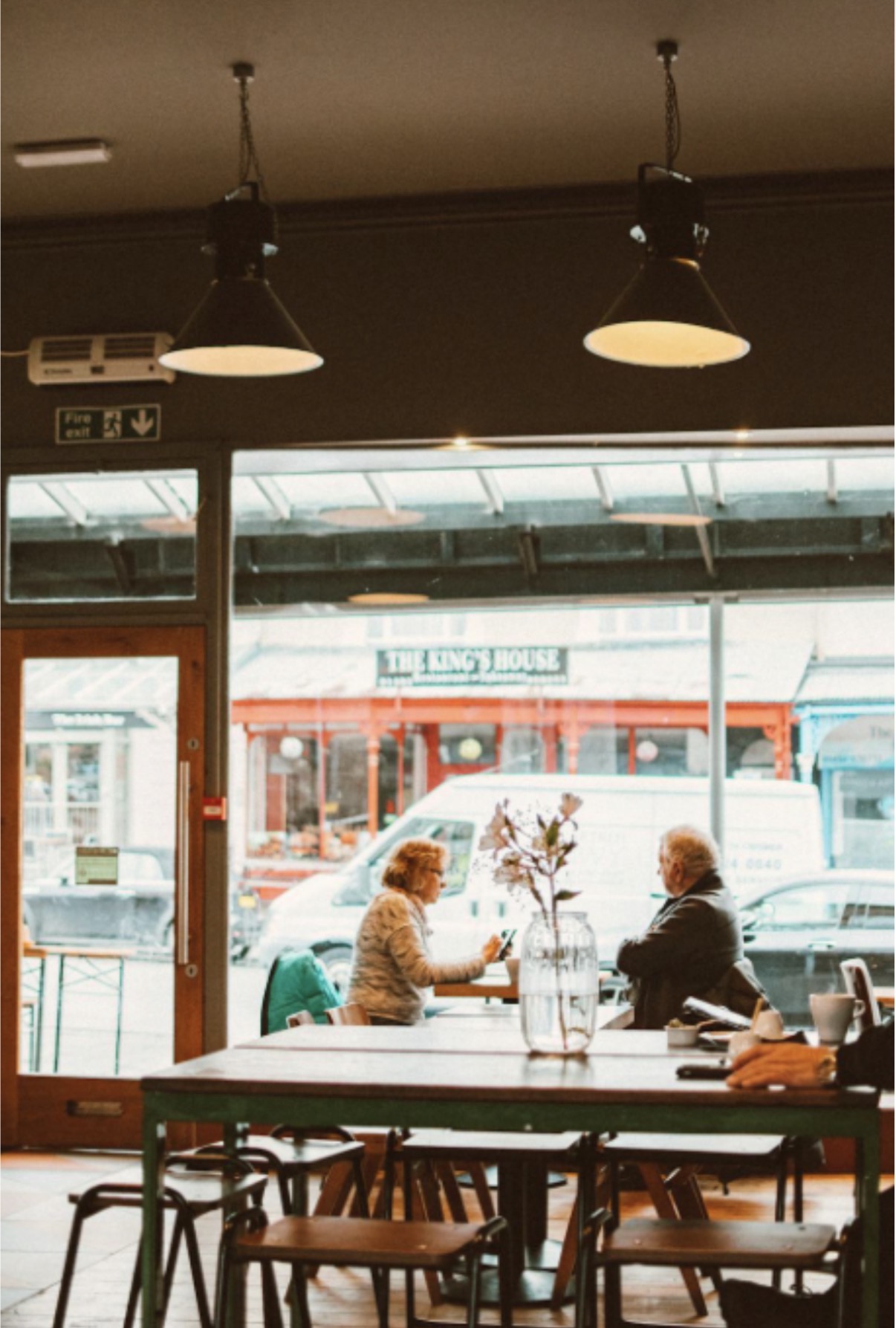
The way in which we enjoy our coffee has been hitting the brakes too. More than just a caffeine fix, coffee is nowadays seen as a hobby: instead of focusing on speed, people value the brewing ritual and the enjoyment brought by it. Grinding a handful of coffee beans, firing up that trusty De’Longhi coffee machine, going through the familiar routine of tamping, taking the time to ensure proper extraction… It truly is so much nicer than grabbing a quick cuppa at the local McDonald’s, isn’t it?
Coffee Machines in the Age of Slow Living: A Chance for a Pause
While the roots of the slow living movement can be traced all the way back to the 1980s, the rise of home baristas is a much younger phenomenon. Incidentally, the trend had a lot to do with slowing down too, although this particular change of pace was brought about by external circumstances rather than conscious choice.
We’re talking about the pandemic. With lockdowns shutting down their favourite cafés, regular coffee drinkers finally had the time to try their hand at home brewing. It wasn’t exactly smooth sailing: just a few years before COVID hit, a truly delicious home brew was still a rarity due to simple lack of equipment. The market had lots of catching up to do, and catch up it did; from bean-to-cup coffee machines to electric milk frothers, quality brewing tools and gadgets are nowadays more accessible than ever.
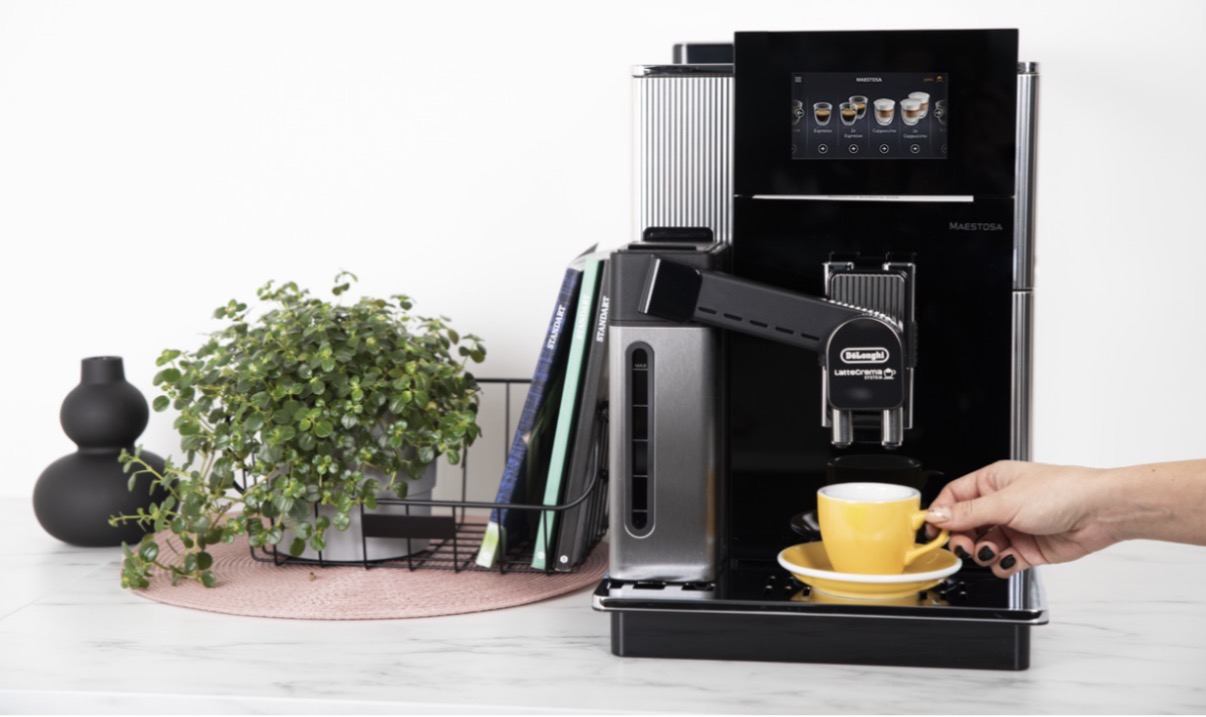
Along with the manner in which we prepare our coffee, our attitude towards it changed. Now much more affordable, coffee machines stopped being a luxury, and moving our favourite brews into our home kitchens had allowed for a much more personal relationship to develop. We were handling the beans ourselves, choosing them more carefully, learning about the unique flavours created by different soils, processing methods, and roast levels. Modern home coffee machines didn’t just make our daily brewing routines easier; even more importantly, they let us focus on the coffee itself, now seen as a pleasure rather than a mere product, a daily companion rather than a commodity. That’s what slow living, and slow brewing, is all about: at its core, it’s simply about pausing for a moment, and taking some time to appreciate the process.
Sipping Slowly, Living Mindfully
Concepts like mindfulness and slow living are all the rage right now, and there are new mindfulness-focused offerings popping up every minute: from yoga classes and wellness retreats to trends like digital detox. The truth is, there’s no need to turn your life around in order to hit the brakes. Sure, you can book that fancy retreat; but adopting a more relaxed coffee routine can be a great start too. Whether it means getting yourself a coffee machine to free up some time for proper enjoyment, or giving manual brewing tools a try, the key here is really to stop and smell the roses—or rather the coffee beans, that is!_