
Space Invaders, Sonic the Hedgehog and Street Fighter are some of the era-defining video games featured at a new exhibition at Kingston University’s Town House. The Archive of Retro Computing (ARC) exhibition, which opens in August, prepares to take visitors on a nostalgic journey through more than 40 years of computing and gaming history.
From the pioneering Atari consoles of the late 1970s and early 1980s, through the great Nintendo and Sega rivalries of the NES and Mega Drive eras, to the rise of PlayStation and Xbox around the turn of the millennium, visitors can relive four decades of gaming history.
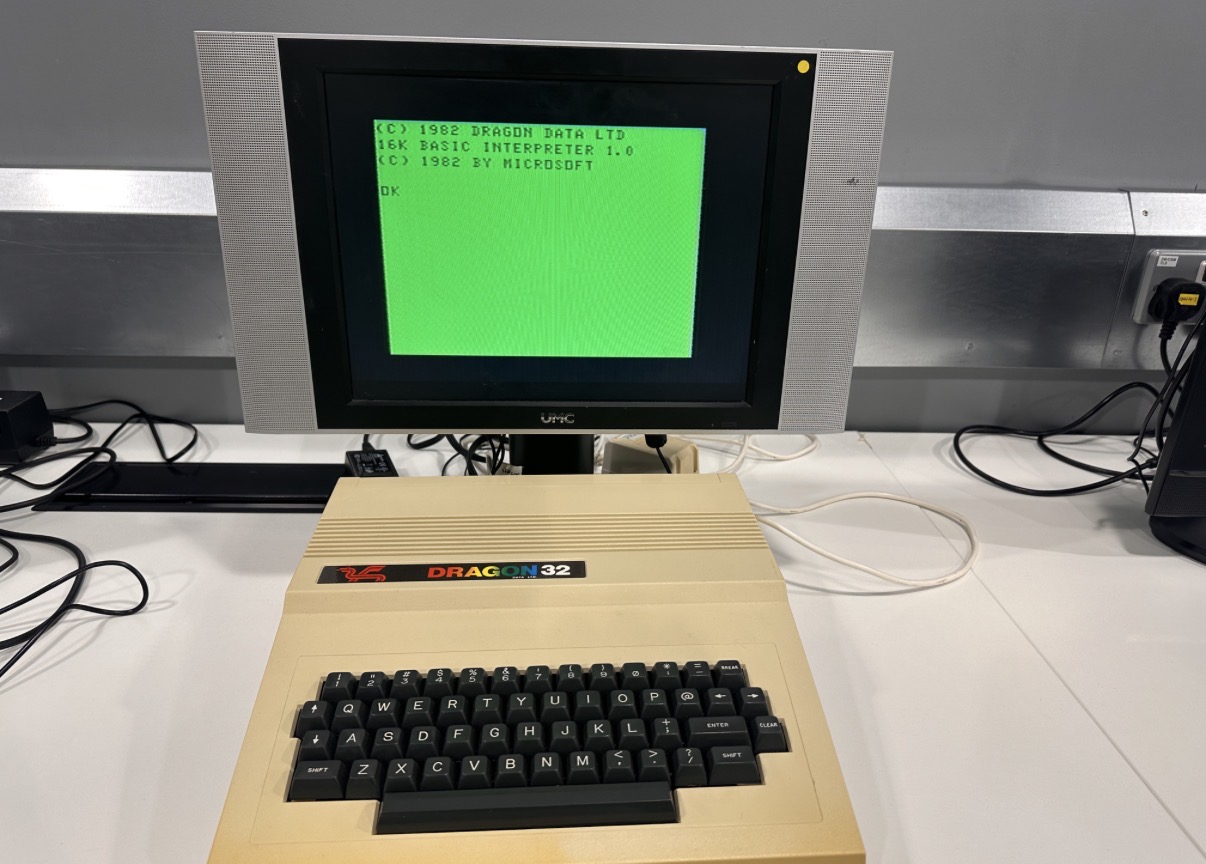
Visitors can also get hands-on with the classic microcomputers that transformed bedrooms and classrooms into places of discovery, taught a generation to code and helped build Britain’s IT industry. Machines from Sinclair, Commodore and Acorn will be on display, alongside many more.
The exhibition marks the run-up to a bigger milestone with the launch of a permanent showcase of retro-gaming and computing at the University, where the archive will find a lasting home and a space for staff, students and the public to explore.
The free exhibition, which is open to the public, will take place at the University’s award-winning Town House building and feature more than 60 playable machines from each decade from the 1970s through to the present day, including the Fairchild Channel F (the first to be based on a microprocessor and use ROM cartridges), Sega Megadrive, Nintendo 64, Sinclair Spectrum, Commodore 64 and Atari 2600+.
The Archive of Retro Computing exhibition follows on from last year’s successful event and takes place from 5-11 August, with visitors able to play classic games including Sonic the Hedgehog, Super Mario Bros., Pac-Man and Tomb Raider, on the original vintage consoles.
The event has been organised by the Archive of Retro Computing at Kingston University (ARC@KU), which has been established to preserve and showcase early microcomputers and game consoles of the past.
The exhibition and launch of the institution’s Archive of Retro Computing (ARC) permanent showcase is being, Kingston University Computer Science BSc (Hons) course leader Paul Neve.
He said the computers and consoles on display at the exhibition had made computing and gaming accessible to the home market for the first time. “Before these machines, computers were only seen in laboratories and businesses. These machines arrived in homes and kids’ bedrooms, launching the careers of a generation of programmers and game developers – that history is so important and the users that championed them are the pioneers that led us to digital world we live in today.”
Following the exhibition, the permanent showcase will be based in the Sopwith Building (SB3033) at the University’s Penrhyn Road campus. The space will give students a place to learn about early computing systems, iconic consoles, programming and enable them to level up their knowledge around the evolution of the digital world.
Paul said: “We are excited to be launching this permanent area that will be a fantastic space for our students and the wider community to learn about the history of computing and gaming, and how it has evolved into be a multi-billion-pound industry.”