A quirky ceremony featuring an oil can, pikemen and centuries of history is set to take place in the City of London.
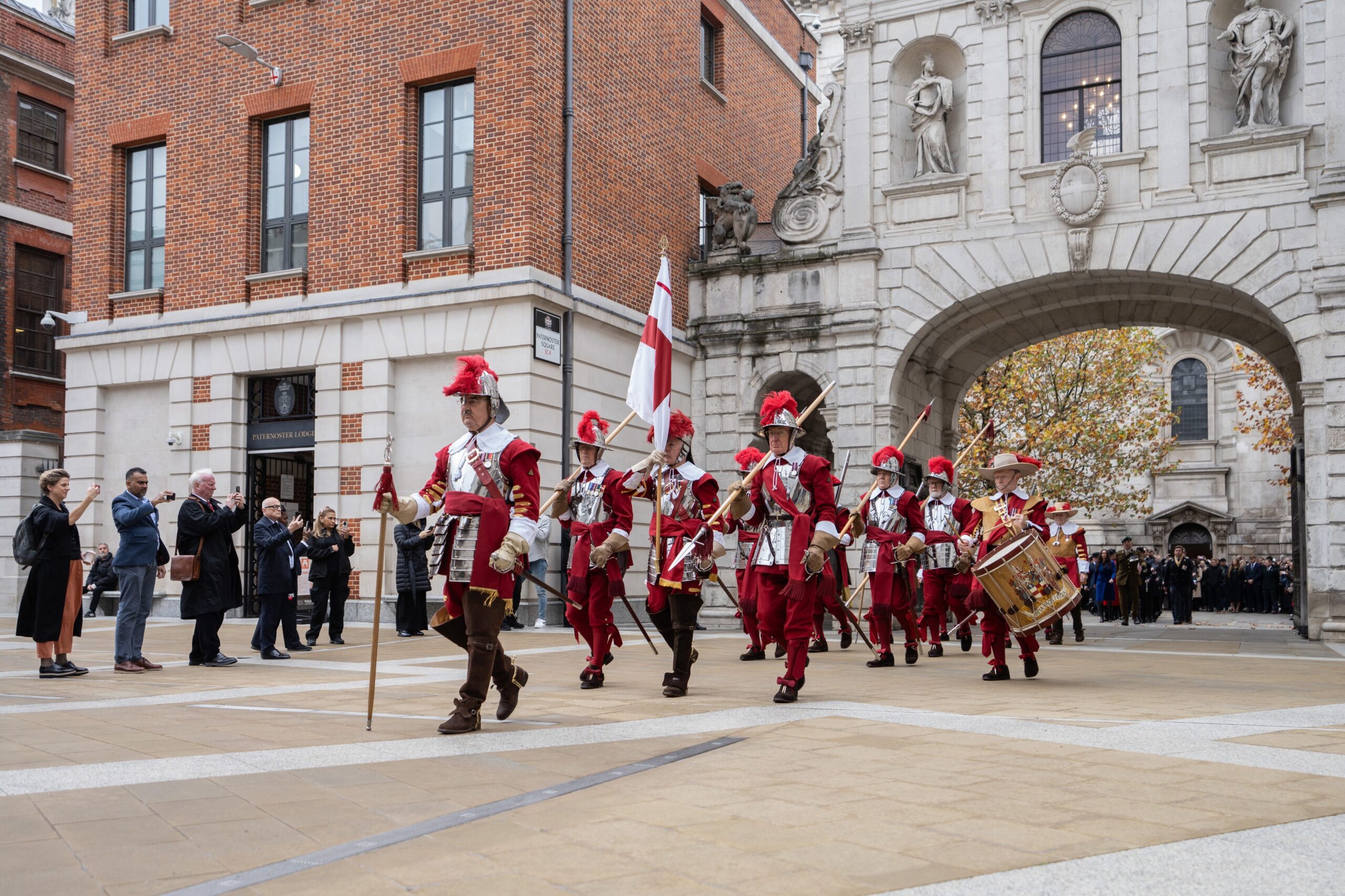
The annual ‘Oiling of the Gates’ will return on Friday, May 22 at 11am, transforming Temple Bar, near St Paul’s Cathedral, into the setting for a colourful display of pageantry and pomp.
Staged by Temple Bar Trust, the free public event is inspired by the historic role of the landmark, which once marked the western boundary of the Square Mile.
The City of London Corporation funds the educational and outreach work of Temple Bar Trust through the Community Infrastructure Levy Neighbourhood Fund and this event through the Destination City Partnership Fund.
Grant Smith, Education and Outreach Manager at Temple Bar Trust, said:
“As custodians of Temple Bar, it’s important that we don’t just preserve it, but bring it to life. The oiling of the gates is a new tradition inspired by the pivotal role this gateway has played in the life of the City.
“We’ve taken that history and turned it into something people can experience today. It’s a bit of theatre, a bit of ceremony, and something you don’t see every day in London.”
During the ceremony, the Master of the Gates will symbolically oil the hinges using an oversized oil can, before declaring them in good working order. Members of the Honourable Artillery Company’s Pikemen and Musketeers will line up for the occasion, alongside representatives of City livery companies in full ceremonial dress.
Chairman of the City of London Corporation’s Policy and Resources Committee, Chris Hayward, said:
“This is a great example of how we are supporting imaginative and engaging ways to celebrate the City’s unique heritage.
“By funding initiatives like this through our Destination City Partnership Fund, we are helping bring the story of the Square Mile to life, connecting its rich history with the energy and creativity of the City today.”
Temple Bar, designed by Sir Christopher Wren and built in the 1670s, originally stood at the western end of Fleet Street, where the Lord Mayor would traditionally greet the monarch on their entrance into the City.
The structure was dismantled in the late 19th century and stood for decades at a country estate in Hertfordshire before being carefully rebuilt stone by stone in its current location in Paternoster Square in 2004.