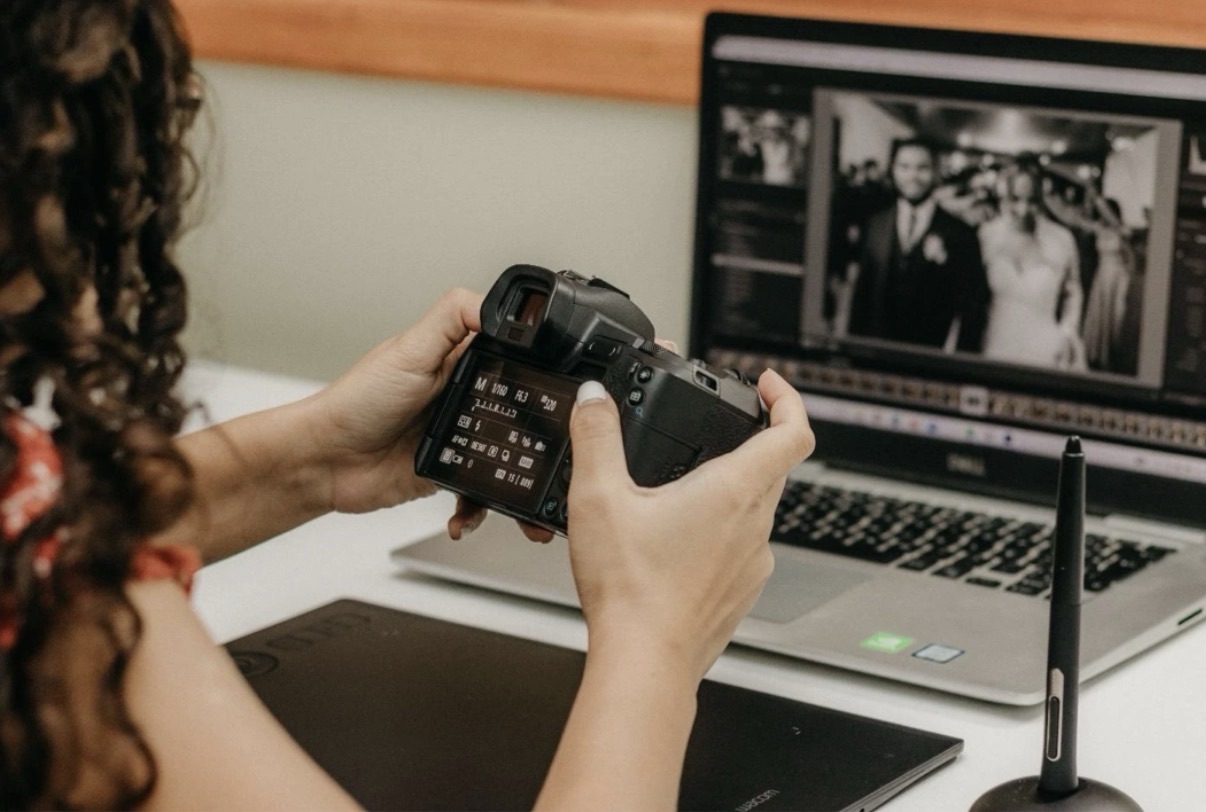
A wedding may end at midnight, but the photographer’s work rarely does. Cards need to be backed up, thousands of frames reviewed, colors corrected and galleries prepared while another couple is already waiting for an email. For busy studios, wedding photo editing outsourcing is less about giving work away and more about deciding which tasks truly require the photographer’s attention.
TL;DR
Outsourcing lets wedding photographers and videographers hand off repetitive work such as culling, color correction, retouching and video editing to an external team such as SemMedia. It can reduce time spent in post-production and make delivery schedules easier to plan. Creators retain their style and final control through references, presets, editing guidelines and approval, while freeing time for shoots, couples and business development.
The work clients never see
Video is even harder to squeeze into the days between weddings. There may be hours of footage from several cameras, plus separate audio from the ceremony and speeches. Someone has to go through all of it before the actual edit takes shape. Wedding videography post production also includes working with sound and color, so even a relatively short final film can mean many hours at the computer.
That workload is easy to underestimate during a busy season. A photographer or videographer might spend Saturday shooting one wedding and already have another booked for the following weekend. Meanwhile, the previous couple is still waiting for their finished photos or film. After a few busy weeks, finding enough time to edit everything becomes a problem of its own.
What should be outsourced?
The useful question is not whether someone else can edit a wedding. It is which stages can leave the photographer’s desk without taking the photographer’s voice with them.
For photography, an outside editor can usually take over:
- culling;
- basic color correction;
- exposure matching;
- routine retouching.
For video, the list may include footage organization, synchronization, rough cuts, color work and sound processing. Some studios outsource finished projects; others hand off only the repetitive groundwork and personally complete the images or scenes that matter most.
Good wedding photography post production requires more than sending files to an editor. The outside team needs to understand what “finished” means for that photographer. A technically correct photograph can still feel wrong if the skin is too warm, contrast too strong or cropping inconsistent with the portfolio.
The first project is a good test. Provide examples from completed weddings, presets, notes on skin tones and cropping, and clear references. Review the result closely. Those corrections can then become guidelines for future work.
Keeping the photographer’s style
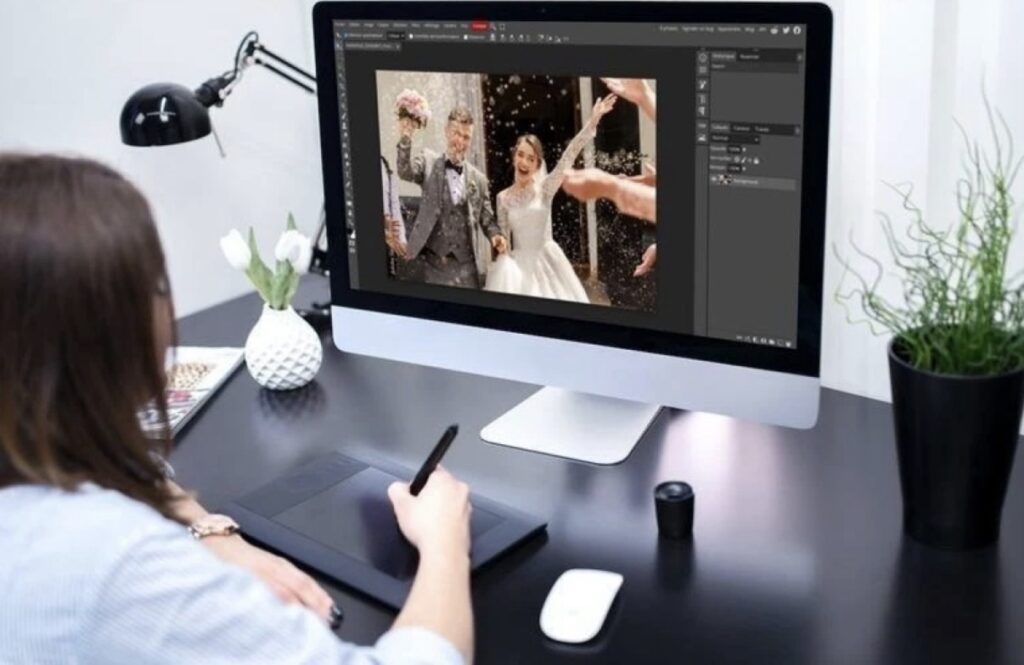
Style is one of the first things couples notice when choosing a wedding photographer. They may not know how to describe the color grading or retouching, but they know what they like. So handing part of the editing to someone else naturally raises a question: will the photos still look like yours?
They should. With outsourced photo editing for photographers, the editor can work from previous galleries, presets and examples of finished images. It helps to be specific about the details, too. If you prefer warmer skin tones, softer contrast or a certain approach to cropping, say so and show examples. A few real references are usually more useful than a note saying “keep it natural.”
The process becomes easier once the editor has worked on several of your weddings. SemMedia uses client briefs and reference images as a starting point for this kind of work. You still check the finished material before delivery, ask for changes when needed and make the final call on what the couple receives.
The real value is time
It is tempting to judge outsourcing only by comparing an editor’s fee with the cost of doing the work yourself. But time spent processing another gallery cannot also be spent meeting a couple, updating a portfolio or preparing for the next wedding.
Using photo and video editing services for wedding photographers can turn part of a fixed workload into flexible capacity. A studio may need little outside help in a quiet month and much more during peak season without maintaining a permanent in-house editing team.
There is also the question of predictability. When editing depends on spare hours between shoots, deadlines can drift. A more consistent wedding photo editing turnaround time makes it easier to plan delivery and give couples realistic expectations.
Outsourcing still needs a system
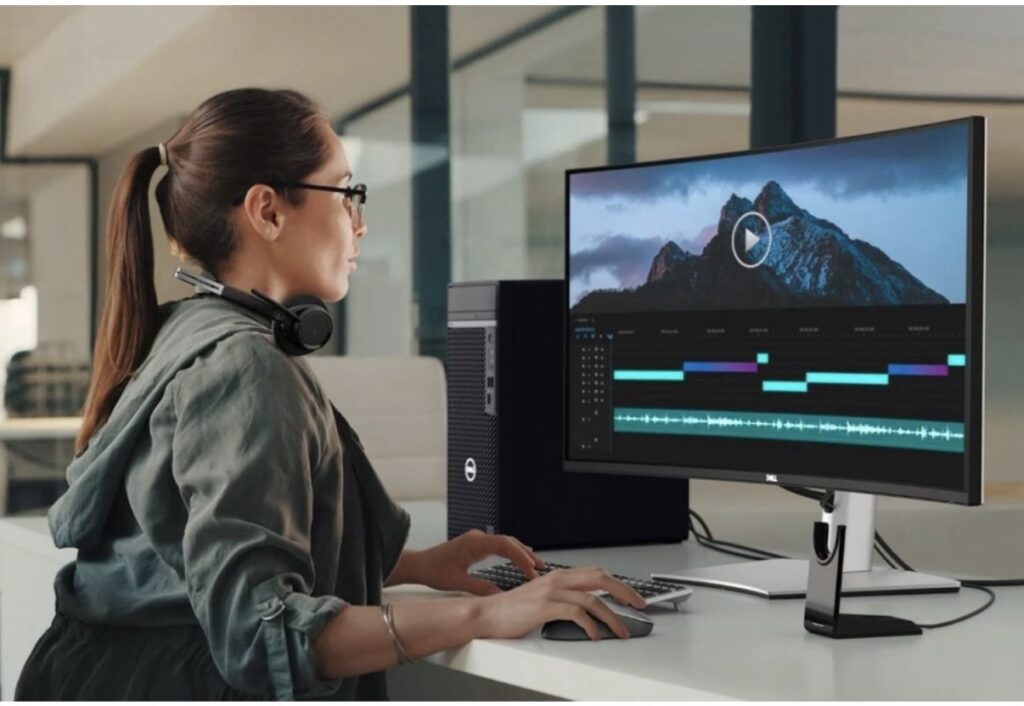
Sending files away will not fix a disorganized studio. Before outsourcing regularly, map the wedding photography workflow: file naming, backups, transfers, responsibilities, revisions and final quality control. For video, agree on pacing, music, audio priorities and export requirements before editing begins.
Security matters too. Original wedding files should remain safely backed up, and photographers should understand how an outside provider stores, transfers and removes client material.
The best arrangement is not one that removes the photographer from post-production entirely. It removes work that does not need to be done personally while preserving creative decisions and final approval.
A better use of attention
Wedding photography combines craft with service. Shooting is only part of the job; communication, planning, editing and delivery compete for the same working hours.
Studios that outsource wedding photo editing can move repeatable production elsewhere while keeping creative direction in the photographer’s hands. The point is not to put less care into each wedding. It is to decide where the photographer’s time and judgment matter most.