
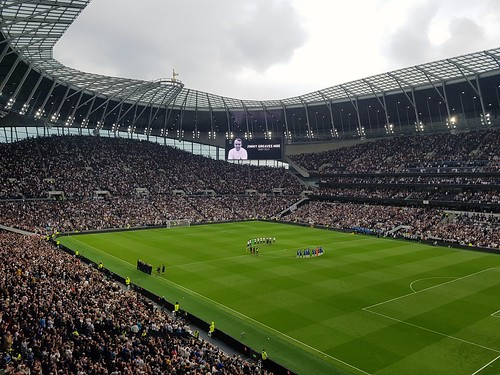
Anticipation, discussion and media coverage often build weeks or even months in advance of a major sporting event, shaping how audiences engage long before it begins. This period presents a valuable opportunity for PR teams to position brands within the wider conversation, rather than competing for attention once the noise reaches its peak.
The most effective campaigns recognise that hype doesn’t happen overnight. It is built gradually through consistent visibility, relevant storytelling, and well-timed activities that align with growing audience interest.
Why The Build-Up Matters More Than Ever
Interest in major sporting events spikes well before an opening fixture, with fans actively searching for predictions, analysing squads and engaging with early coverage across multiple platforms. Journalists follow a similar pattern, preparing preview content, opinion pieces and data-led features that help set the tone for the event.
This creates a window where demand is high; however, competition is still manageable, allowing brands to secure coverage that feels timely without being lost in the intensity of live event reporting. Waiting until the event is underway often means competing with breaking news and a constant flow of content, which can limit visibility even for strong campaigns.
By focusing on the build-up, PR teams can establish a presence early and remain part of the conversation as interest continues to grow.
Creating Stories That Naturally Fit The Event
The most successful PR campaigns around major sporting events are those that feel connected to the moment without relying on official partnerships or sponsorships. Instead of focusing directly on the event itself, they explore the themes and behaviours surrounding it, which often offer more flexibility and stronger angles for coverage.
This might include analysing team performance, exploring historical trends in ticket prices, or examining how fan behaviour changes in the lead-up to a tournament. Campaigns that focus on travel demand, ticket pricing, or even viewing habits can also perform well, particularly when they tap into questions that audiences are already asking.
For example, with the World Cup on the horizon, a sports PR agency will aim to find angles that feel relevant to both the media and the audience, ensuring that the story adds value rather than simply attaching itself to the event.
Using Data To Strengthen The Story
Data-led campaigns tend to perform particularly well in this space, largely because they provide a clear and structured way of telling a story. Journalists are more likely to engage with content that offers concrete insight, especially when it can be easily translated into a headline or supporting narrative.
The format plays an important role here. Rankings, comparisons and trend analysis allow information to be understood quickly, which is essential in a fast-moving media environment. At the same time, the data needs to feel relevant and timely, linking directly back to the event and offering something that has not already been widely covered.
When supported by expert commentary, this type of content can help position a brand as a credible voice within the wider discussion, rather than just a contributor.
Tapping Into Fan Behaviour And Emotion
Sport is driven as much by emotion as it is by performance, and the build-up to major events often brings this to the surface. Fans are not only following the latest news but also sharing opinions, debating outcomes and engaging with content that reflects their expectations.
Campaigns that tap into this behaviour tend to resonate more strongly because they feel closer to the audience. Surveys on fan confidence, analysis of social sentiment or insights into how supporters are preparing for an event can all provide useful angles that go beyond standard match coverage.
By focusing on how people engage with sport rather than just the sport itself, PR campaigns can create stories that feel more relatable and, in many cases, more shareable.
Balancing Planning With Flexibility
While the build-up to major events can be mapped out in advance, it is important to recognise that sport is unpredictable. Squad announcements, injuries, or unexpected results can quickly shift the narrative, creating new coverage opportunities that were not part of the original plan.
This is where a balance between proactive and reactive PR becomes important. Having a clear calendar of activity ensures consistent visibility, while the ability to respond quickly allows brands to take advantage of emerging stories as they happen.
The most effective strategies combine both approaches, using planned campaigns to build momentum while remaining flexible enough to adapt when the conversation changes.
Extending Reach Across Multiple Channels
Although media coverage remains a key objective, the way audiences consume sports content means that campaigns often benefit from being supported across multiple channels. Social platforms such as X, TikTok, and Instagram, in particular, play a significant role in how fans engage with the build-up to major events, offering an opportunity to extend the reach of PR activity.
Adapting content into different formats can help maintain visibility over a longer period, whether that involves breaking down key insights into shorter posts or using visual formats to highlight key data points. This not only reinforces the original story but also increases the likelihood that it will be discovered through other channels.
Final Thoughts
The period leading up to a major sporting event ultimately offers a clear opportunity for PR teams to build visibility in a way that feels natural and well-timed. By focusing on relevance, insight and consistency, brands can position themselves in the conversation before competition begins, rather than trying to force their way in later.
PR plays an important role in shaping that build-up, helping to drive interest and create a sense of anticipation that extends beyond the event itself. For brands looking to make an impact, the focus should not just be on what happens during the event, but on everything that happens in the build-up to it as well.