
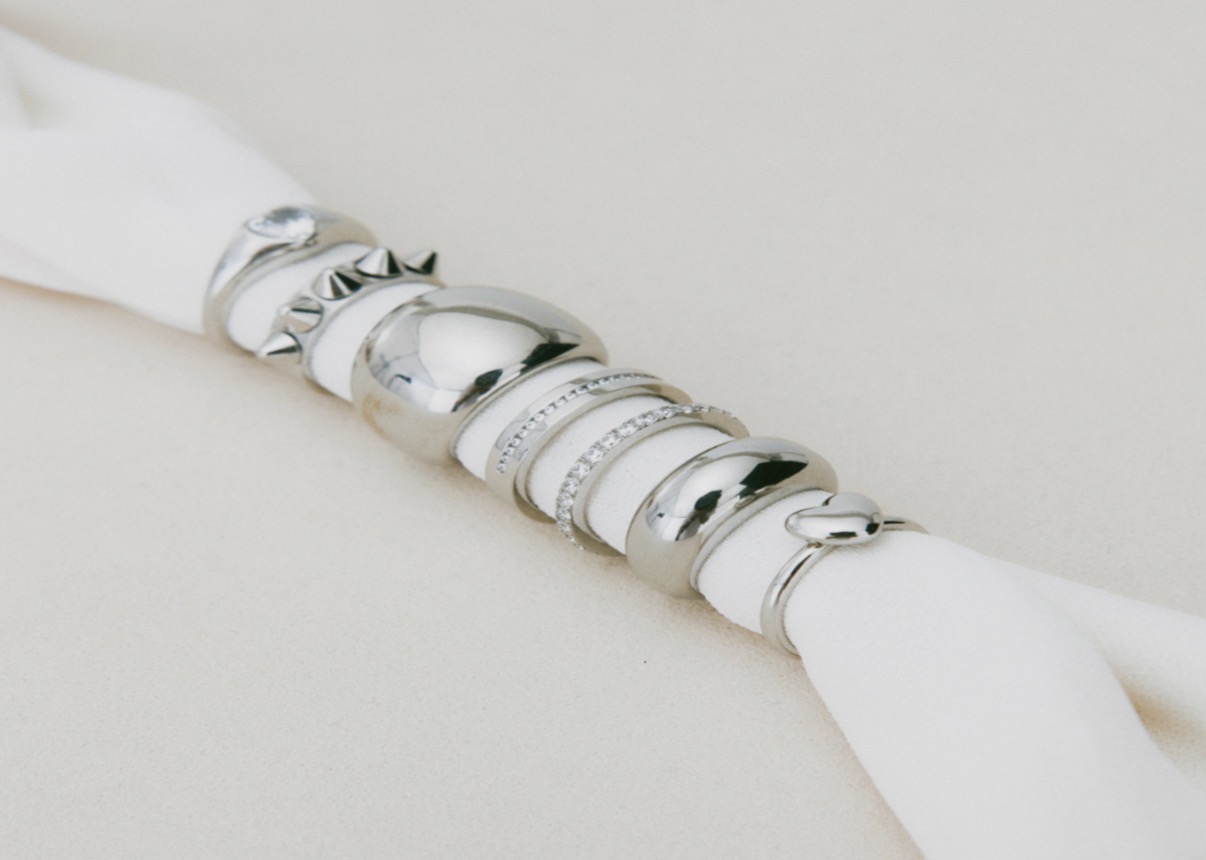
Jewellery plays a consistent role in how people present themselves day to day. Unlike occasion pieces, everyday designs must balance style with durability, comfort, and versatility. Whether selecting women’s jewellery for work, leisure, or a mix of both, the most successful pieces are those that integrate seamlessly into daily routines while maintaining their visual appeal over time.
Many consumers now look for jewellery that combines minimal design with long-term practicality, which is why brands featured at https://www.edblad.com/en_uk continue to attract attention. Scandinavian-inspired jewellery has become especially popular for everyday wear because it emphasizes simplicity, comfort, and durability without sacrificing elegance. As modern wardrobes become more versatile, jewellery is increasingly expected to adapt just as easily across casual and professional settings.
What daily wear really needs
Everyday jewellery is defined by how well it performs under regular use. It must handle movement, contact with fabrics, and exposure to common elements like water or skin oils. A piece that looks refined but fails under these conditions quickly loses its value.
Strong materials do the hard work
Material selection is one of the most critical factors. Stainless steel, for example, is widely used in modern jewellery because of its resistance to tarnish and durability under daily wear. Sterling silver remains popular but may require more maintenance to retain its finish.
Brands that focus on long-term usability often emphasize both material quality and design clarity. For instance, collections made by Edblad reflect a Scandinavian approach that combines simplicity with function. Edblad designs nickel-safe jewellery in stainless steel, offering pieces that are both durable and comfortable for frequent use. This balance between quality and affordability makes such jewellery suitable for everyday settings without sacrificing style.
Comfort matters after a few hours
Comfort becomes more noticeable over time. A piece that feels acceptable at first may become inconvenient after several hours of wear. Heavy earrings can strain the ear, while poorly finished edges may irritate the skin. In more extreme cases, prolonged discomfort from unsuitable earrings can even lead to issues that require earlobe repair.
Necklaces should sit naturally without interfering with clothing, and rings should have a smooth inner surface to prevent friction. These details are often subtle but significantly influence whether a piece becomes part of a daily routine.
Simple design increases versatility
Design simplicity does not reduce impact; it increases usability. Clean, balanced shapes adapt easily across different outfits and occasions. This flexibility allows one piece of jewellery to transition from casual wear to more formal settings without appearing out of place.
For those looking for expressive gemstone pieces that combine personal meaning with everyday styling, Drunk Angel Jewellery offers a distinctive selection of crystal jewellery designed around natural stones and wearable forms.
When evaluating a piece, it helps to focus on practical details:
These characteristics often indicate careful design and contribute to long-term wearability.
Choosing pieces that stay useful
The most effective everyday jewellery earns its place through repeated use rather than initial impression. It supports a wardrobe instead of limiting it and remains comfortable throughout the day. Price alone does not determine this outcome; thoughtful design and reliable materials are more important factors.
More broadly, jewellery continues to hold value because it combines function with personal expression. Pieces that are well-suited to daily wear allow individuals to maintain that expression consistently, without compromise. This is why practical, well-designed jewellery remains a positive and lasting part of modern wardrobes.