
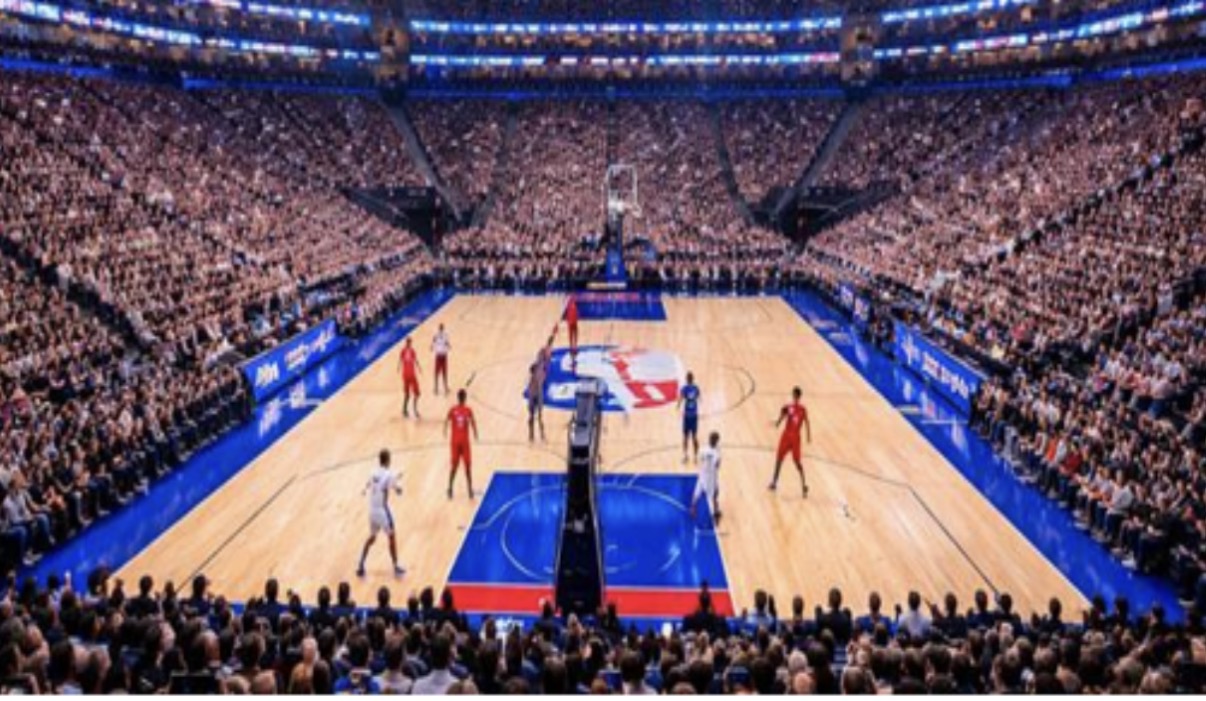
London had been the NBA European window dressing: a sell-out, an up-market arena and a city where American sport felt at home. However, in 2026, the map will be different. Berlin joined London this season — the Orlando Magic and Memphis Grizzlies played at the Uber Arena in Berlin on January 15, 2026, before the two sides met again at The O2 in London on January 18. Manchester and Paris follow in 2027, with Berlin and Paris set to return in 2028. The move is no rejection of London; it is strategic. With the buzz spreading throughout Europe, tickets and jerseys are no longer the only items in demand, with media subscriptions, social content, fantasy games, and betting research around the top NBA matches now being demanded. A continental strategy cannot be sustained by a single capital.
The London legacy: A victim of its own success?
NBA London is a tale of long-suffering market-building. The league introduced teams to the UK in the 1990s, and has used The O2 Arena as its regular-season host since 2011 .As of January 2026, London hosted its 10th NBA regular-season game, the latest chapter in a relationship between the league and UK fans that stretches back to the 1990s.
That consistency proved the market. London provided access to the media, hospitality, infrastructure, and diverse audience that is conversant with U.S. sports. The O2 provided the league with a global platform and demand was high indicating that fans in the UK would pay high prices.
Success puts a strategic roof. London is not an experiment any longer. It is a mature market that has a built-in fanbase, retail, viewing, and sponsor interest. Going back each year would still be a good idea but would not open up as much growth as going to the less saturated cities with the product. London was put on trial. Replication is the next step.
The Paris blueprint: How France showcased the future
Paris has been made the clearest of models in that replication. In 2025, the NBA Paris Games put San Antonio and Indiana in the Accor Arena to play two regular-season games, the first time the league had played two regular-season games in the same season in the French capital. It was not an incidental affair, but rather a program: fan festivals, youth clinics, partner activations, merchandise, and Victor Wembanyama.
The opportunity was transformed by the Wembanyama effect. France had a strong basketball culture already but a home-grown superstar made it feel local. Wembanyama’s Spurs playing in Paris made a national moment out of a neutral-site game. NBA Deputy Commissioner Mark Tatum underlined the league’s ambitions, describing Paris as a market the NBA was absolutely determined to develop and grow.
Paris too provided another tone as compared to London. It was more youthful, more high-energy and more tied to the pipeline of players in the league. London proved that the NBA would be accepted by European fans. Paris demonstrated that a local hero, a big city and a week-long festival could enhance emotional appeal and generate business.
The business of expansion: New fans, new revenue
The strategic reasoning is simple. Each host city provides the NBA with over a single ticketed event: media inventory, sponsorship package, merchandise demand, hospitality revenue, youth involvement, and year-round digital engagement. In 2025, the league announced that six games of the European regular season will be hosted over three seasons, featuring games in Berlin, London, Manchester, and Paris, and the games will be broadcast globally through the NBA’s international media partners, reaching fans in more than 200 countries and territorieson television, digital media and social media.
Commissioner Adam Silver has been very clear regarding the bigger objective. In Paris in 2025, he indicated that the NBA was looking into how it could professionalize the game to a new level in Europe and develop a bigger commercial opportunity. During the January 2026 European Games, Silver reiterated that the league and FIBA were continuing to push ahead with plans for a new European league structure, confirming discussions with clubs and potential media partners across the continent, while noting that a formal decision on expansion is expected by the end of 2026, with a working target start date of October 2027.
European games are market-entry tools. A fan that comes to watch in Manchester can later purchase League Pass, track highlights, purchase a jersey, or bet on U.S. games. In Germany or France, a sponsor can develop campaigns based on the live events and online audiences. The larger the number of cities that the NBA activates, the better its ecosystem.
Where to next? Inside the NBA’s European shortlist
The immediate roadmap is apparent.In 2027, Manchester is set to host the first regular-season NBA game ever played outside London in the UK. The NBA has officially confirmed that the New Orleans Pelicans will face the San Antonio Spurs at Co-op Live on Sunday, January 17, 2027, a landmark moment for basketball fans across the north of England. The league is putting to the test the extent of the basketball appetite in Britain outside the capital. Manchester provides a regional market, a contemporary arena, and an access to the north of England without leaving the UK.
Paris is also approved for 2027 and 2028, and France is not a new pillar. In 2026, Berlin hosted its first-ever NBA regular-season game and is set to return as a host city in 2028. The case of Germany is compelling: an economy that is robust, elite arenas, the Wagner brothers, a national team that has just had a big success in the international arena, and, as Silver pointed out, a nation that is undergoing a golden age in basketball.
Even though Madrid is not included in the current three years slate, it is still a viable prospective candidate in the future. Spain boasts of strong basketball cultures, strong domestic league, EuroLeague brand and an interest in high-profile events. The problem is calendar fit, venue economics and collaboration with the established European clubs.
The future of NBA Europe: A rotational model
The message to London is encouraging. It is not that the NBA is leaving but it is rotating. London is a high-end access point, though Europe is now more of a touring circuit rather than a home. Such a model generates scarcity, disseminates access, and develops anticipation.
It is self-evident by 2027. The platform was built by London. Paris demonstrated the strength of local stars and festival-like performance. Berlin opened a big economy. Manchester is a test of regional expansion within the UK. Collectively, they demonstrate that the NBA is no longer merely exporting games, but creating a European developmental system. To the fans, it translates to increased opportunities to watch live basketball nearer to their homes. To the league, it is an assurance of being a truly global sports business.